
Energy transition: value accelerator or blocking factor for real estate?
The energy transition is profoundly transforming the Swiss real estate market by directly influencing the value of properties. Between new regulatory requirements, technological innovations and growing expectations of buyers, energy performance is becoming a strategic criterion for professionals. While some renovations act as a value-enhancing lever, energy-intensive buildings could suffer a gradual devaluation in a market undergoing a major transformation.
For a long time seen as an environmental issue, the energy transition is now a real factor in the transformation of the real estate market. Between new regulatory requirements, changes in user expectations and technological changes, it is gradually redefining the way in which the value of a property is assessed. For real estate professionals, the question is no longer whether the energy transition will have an impact, but how to anticipate and integrate it into their strategy.
A structural turning point for the Swiss real estate sector
The real estate sector accounts for around 40% of final energy consumption in Switzerland, of which almost 70% is related to heating. In its vision for 2050, the Swiss Federal Office of Energy (SFOE) is planning a massive reduction in the energy consumption of buildings, from around 90 TWh today to around 65 TWh. The goal is clear: to achieve carbon neutrality by 2050 and drastically reduce the use of fossil fuels in buildings.
This transformation is based on several major axes:
- reduction of energy needs,
- optimization of building operations,
- substitution of fossil fuels with renewable solutions and
- increased integration of sustainability in real estate projects.
For industry players, this means that energy performance is gradually becoming a structuring criterion in the analysis of an asset.
When energy transition becomes a lever for value creation
In this context, some energy renovations appear to be real value-enhancing accelerators. Improving thermal insulation, modernizing heating systems or installing photovoltaic solutions can reduce operating costs while increasing the property’s attractiveness.
A well-planned energy renovation can improve the comfort of occupants, the quality of the indoor air and the stability of long-term costs. Buyers and tenants are now placing increasing importance on these criteria, particularly in a context marked by the volatility of energy prices. Living in a high-performance home or one powered by renewable energy is seen as a factor of security and quality of life.
In addition to renovation, the SFOE also emphasizes the optimization of energy use. Intelligent technologies, such as predictive heating control systems or connected sensors, already allow for a reduction in consumption without major work. This digital dimension opens up new opportunities for enhancing the value of existing buildings.
A risk of discounting for energy-intensive assets
However, the energy transition could also become a factor that hinders the sale of certain goods. Old buildings that are poorly insulated or dependent on fossil fuels may become less attractive on the market. As standards evolve and energy transparency becomes more widespread, the distinction between “2050-compatible” assets and assets that require major investments may become more pronounced.
Renovation costs, technical constraints or regulatory uncertainties may slow down certain transactions. For investors, the challenge is to factor these parameters into their acquisitions to avoid the gradual obsolescence of their real estate portfolios.
The SFOE’s ROSEN vision
Reduction, Optimization, Substitution, Renewable Energy and Sustainability (Nachhaltigkeit)
The ROSEN vision illustrates this desire for a comprehensive transformation. It involves, in particular, the gradual disappearance of oil and gas heating, increased local energy production and better interconnection between buildings, neighborhoods and energy networks.
A technological and territorial mutation of the building
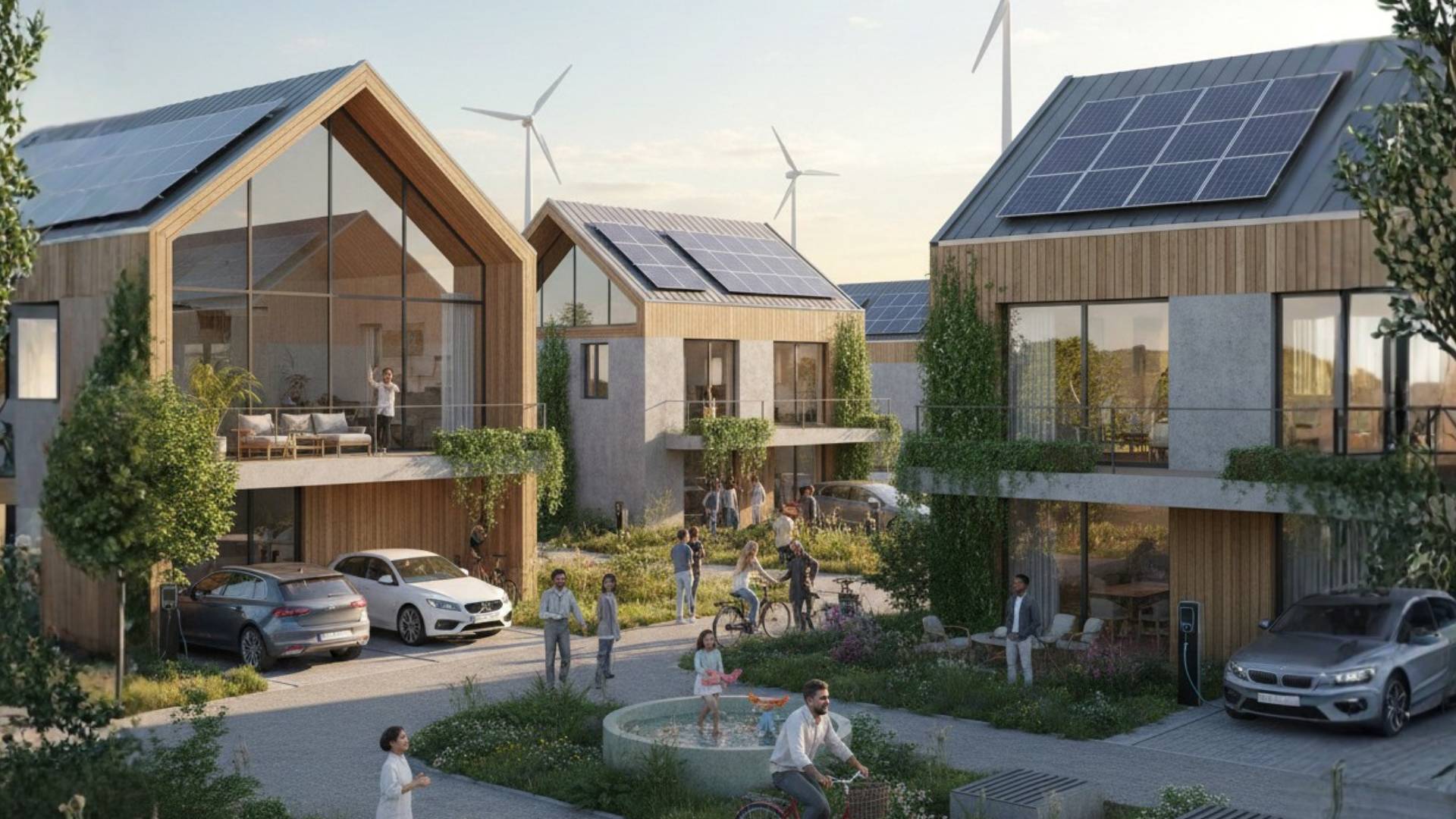
The energy transition now goes beyond the individual building. Energy strategies are evolving towards a more global approach, integrating neighborhoods and cities. Buildings are no longer just energy consumers, but are gradually becoming producers capable of injecting their surplus into the grid.
Innovations such as integrated photovoltaics, district heating networks or electric mobility connected to buildings are contributing to this transformation. In the long term, energy infrastructures could function as interconnected systems, where production, storage and consumption are optimized at the local level.
This evolution also changes the skills expected of real estate professionals. Understanding energy issues, anticipating future standards or integrating environmental performance into the value creation strategy becomes a major competitive advantage.
Towards a new reading of real estate value
The energy transition is gradually redefining the fundamentals of real estate valuation. Beyond location and floor space, the ability of a building to fit into the national energy strategy is becoming a key indicator. Energy labels, certifications and diagnostics are gaining importance, providing greater transparency for buyers and investors.
In this context, properties renovated or designed to high energy standards could benefit from a value premium, while energy-intensive assets could face downward pressure. The real estate market is thus entering a phase of structural differentiation where energy performance directly influences the perception of risk and return potential.
Conclusion: a transition between constraint and strategic opportunity
The energy transition is simultaneously a driver of innovation and a revealer of the weaknesses of the existing real estate stock. While it may be a short-term brake for some assets, it also represents a major opportunity for value creation for those who anticipate market developments.
For real estate professionals, the challenge now is to integrate the energy dimension into all stages of a property’s life cycle: acquisition, renovation, operation and marketing. More than a trend, the energy transition is becoming one of the pillars of the transformation of the Swiss real estate market for the coming decades.