
Mold in Your Apartment: What Can You Do?
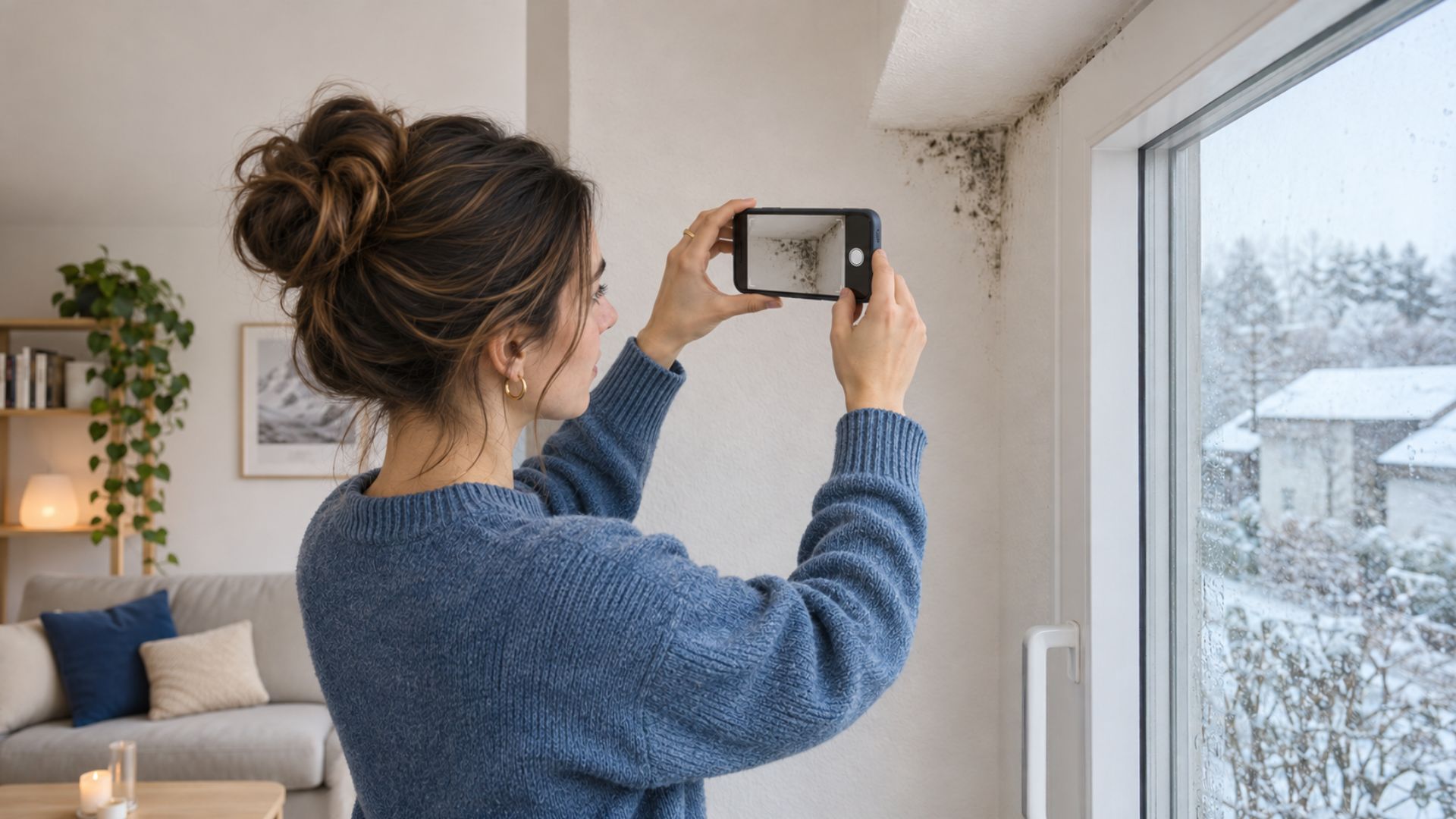
Spots in a corner, a musty smell, or a damp wall—where do you start? Whether you rent or own your home in Switzerland, here are the practical steps to take and the people to contact.
What causes mold?
Mold needs moisture. Condensation on cold walls, water entering the building, or leaking pipes are possible causes. Insufficient ventilation can also contribute. The spots alone don’t establish who is responsible.
Start by documenting and reporting
Photograph the affected areas and note the date and rooms involved. A persistent musty smell deserves attention even without visible spots.
Renting? Notify your landlord or property manager promptly in writing, ideally by registered mail, and keep a copy.
Mold can irritate your airways. See a doctor if you have symptoms; seek medical advice promptly if you have severe asthma or a weakened immune system.
Can you clean it yourself?
For isolated, very small surface traces—up to roughly 10 × 10 cm in one spot, without dense growth or signs of a larger problem—the Swiss Federal Office of Public Health allows for cleaning with water and household detergent. In a rental, document and report it first.
If mold spreads or keeps returning, have the situation professionally assessed. Painting over it doesn’t replace investigating the cause.
Own your home? Address the source, too
If you live in your own property, arrange an appropriate investigation and remediation. If you rent it out, follow up on reports. In condominium ownership, promptly notify the building administration, especially if the building envelope may be involved.
Who pays in a Swiss rental?
Costs depend in particular on the cause and established responsibility. If a tenant’s improper behavior is proven to have caused the mold, the tenant may have to pay.
A defect that limits normal use of the home may justify a rent reduction, depending on the circumstances. Don’t reduce your payments unilaterally. Ask a tenants’ association, your legal expenses insurer, or the relevant Swiss tenancy conciliation authority for advice.
How to reduce the risk this winter
- Ventilate effectively. If you ventilate through windows, open them fully for short periods several times a day and after showering or cooking. Avoid leaving windows tilted open throughout winter.
- Heat appropriately. Don’t let rooms become excessively cold. Your building’s insulation also affects its heating needs.
- Track humidity. A hygrometer can help: around 30–50% is the usual winter reference, with a lower upper limit during very cold weather or in certain buildings.
Your next step: document, report, and investigate the cause. A stain that keeps coming back needs more than another coat of paint.