
Our tips for making your home more eco-friendly
Carrying out an energy audit (CECB), improving insulation, modernising your heating system and optimising your daily energy use can significantly reduce your home’s energy consumption.
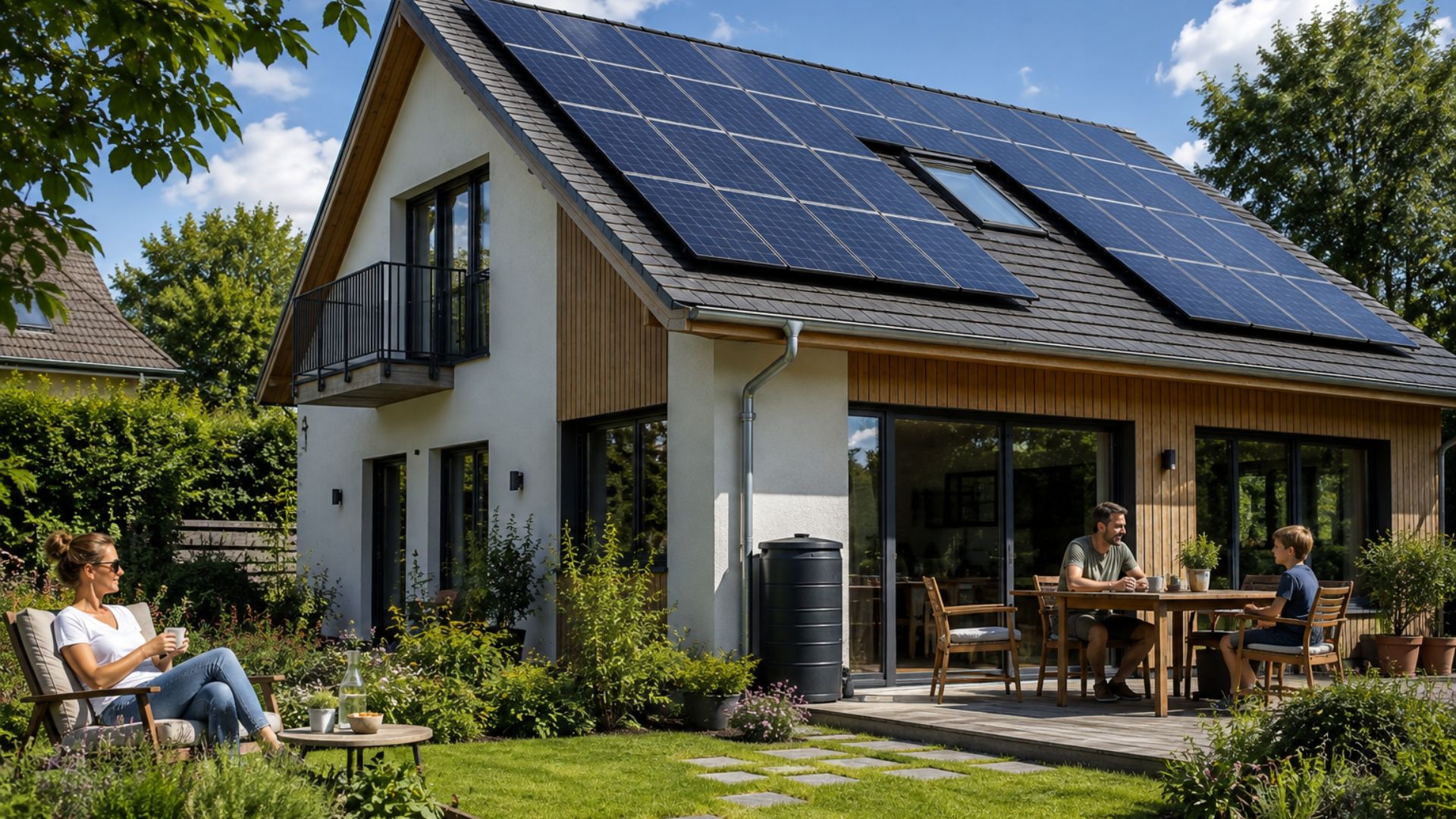
From energy audits to the choice of materials, there are several solutions for making a home more energy-efficient and sustainable:
-
In Switzerland, the building stock accounts for 41.8% of final energy consumption and 22% of national CO₂ emissions, making it a major lever for the energy transition (1).
-
An effective energy renovation can reduce the heating needs of a poorly insulated building by more than half.
-
Since 2010, the Buildings Programme has provided more than CHF 4.1 billion in subsidies to encourage energy-efficient renovations in Switzerland.
Step 1: Carry out an energy audit
Before starting any renovation work, an energy assessment helps identify where the main energy losses in your home occur and which improvements should be prioritised.
In Switzerland, the CECB (Cantonal Energy Certificate for Buildings) serves as a basis for assessing the energy performance of a home. It assigns an energy rating and highlights the building’s weak points. To go further, the CECB Plus provides a comprehensive renovation scenario including:
-
possible renovation options
-
an estimate of the costs
-
a projection of the energy savings
This document is often used as a basis for consideration before undertaking a comprehensive renovation.
In some cases, it is also a requirement for accessing cantonal subsidies for energy-efficient renovations. The Minergie label can then serve as a target for the most ambitious projects, particularly in terms of comfort and overall energy performance.
Step 2: Improve the home’s insulation and energy performance
Effective insulation not only helps reduce heating consumption, but also improves indoor comfort throughout the year.
Insulation of walls, roofs and floors
The roof is often the main source of heat loss.
Fortunately, suitable insulation can be installed on the inside or outside of your home, using high-performance materials such as wood fibre or cellulose insulation.
A well-planned renovation can generally reduce heat loss significantly, sometimes by several tens of percent depending on the building’s initial condition.
Replacing windows
Windows are another critical factor in a home’s energy efficiency.
Upgrading to high-performance double glazing or triple glazing helps limit heat loss and improve thermal comfort, particularly near glazed surfaces.
In some cases, simply replacing the windows can already significantly improve the overall energy performance of an older home.
Airtightness and thermal bridges
Even with good insulation, air leaks can significantly reduce a building’s energy performance.
Thermal bridges are generally found at the junctions between different parts of the building, such as walls, floors, roofs or window frames.
A home that is too airtight without adequate ventilation can lead to moisture problems. This is why an effective energy renovation is often accompanied by a controlled mechanical ventilation system.
Step 3: Reduce everyday energy consumption
In many cases, simple adjustments can already significantly reduce energy bills without requiring major renovation work.
More efficient heating systems
Heating generally represents the main source of energy consumption for many households. Ideally, an old system should be replaced with a more efficient solution that can deliver significant savings. The most common alternatives include:
-
installing an air-to-water or geothermal heat pump;
-
installing a pellet heating system in suitable areas;
-
connecting to a district heating network where available.
Old oil or gas boilers are gradually being replaced in many renovation projects, particularly as part of cantonal energy transition policies.
Optimising lighting and appliances
Electrical equipment also plays a significant role in overall energy consumption. A few simple measures can quickly make a difference:
-
Replace traditional light bulbs with LEDs
-
Choose appliances with a high energy efficiency rating
-
Switch off unnecessary standby devices
According to industry estimates, LEDs use up to around 80% less energy than traditional light bulbs. Over time, these adjustments can reduce energy consumption without affecting everyday comfort.
Smart energy management
Today, energy management systems make it possible to optimise a home’s energy consumption more precisely. These include:
-
programmable thermostats;
-
smart thermostatic valves;
-
smart home systems for remote control.
In a well-equipped home, smart energy management can generate significant savings without requiring any additional daily effort.
Step 4: Choose sustainable materials and equipment
The choice of materials when renovating or building a home has a direct impact on its overall environmental footprint. A sustainable approach favours local, minimally processed resources with a low carbon footprint.
Natural and local materials
Bio-based materials are increasingly being used in renovation projects in French-speaking Switzerland. Examples include wood from local forests, wood fibre, as well as hemp and cork for certain applications.
These materials offer a good balance between thermal performance, durability and reduced environmental impact.
In addition, using local supply chains helps reduce transport-related emissions.
Eco-friendly paints and coatings
Interior finishes also play an important role in an environmentally friendly approach. It is preferable to choose solvent-free or low-VOC paints, as well as natural coatings such as lime or clay.
These choices help improve living comfort, particularly by reducing emissions of volatile substances in enclosed spaces.
Sustainable furniture and interior design
Interior design can also follow a more sustainable approach. Several options are available:
-
Prioritise second-hand items or reuse;
-
Choose locally manufactured furniture;
-
Opt for furniture designed to last.
This approach helps reduce the environmental footprint of your home while encouraging more responsible consumption.
Step 5: Produce and consume cleaner energy
In Switzerland, around 60% of electricity production comes from hydropower. Together with other renewable sources such as solar energy and biomass, this brings the overall share of renewable energy to nearly 80%, according to the federal authorities (2).
Photovoltaic solar panels
Installing photovoltaic panels makes it possible to generate electricity directly from your roof. The main advantages include:
-
Reduced dependence on the electricity grid
-
Increased long-term value of the building
-
Gradual return on investment
Solar energy is also experiencing strong growth: in 2024, Switzerland exceeded 8 GW of installed photovoltaic capacity, an increase of more than 10% in one year (3).
Solar or heat pump water heaters
Hot water production accounts for a significant share of a household’s energy consumption. Two solutions are often preferred: solar water heaters (solar energy) and heat pump water heaters (heat pumps).
These systems can significantly reduce the energy consumption associated with domestic hot water, particularly when replacing older electric systems.
Green electricity supply
To complement an environmentally friendly approach, you can choose electricity generated from renewable sources. Energy suppliers generally offer plans that include hydropower, solar energy and wind energy.
This type of electricity plan can improve the overall environmental footprint without requiring any changes to the home’s installations.
FAQ
How can you make an older house more environmentally friendly?
The priority is to improve the building envelope, particularly the insulation of the roof and walls. Replacing the heating system and installing energy-efficient windows often complete the renovation.
Which improvements are most effective for reducing energy consumption?
The most effective measures are generally insulating the roof, replacing the heating system and improving the windows. These three areas account for a large proportion of energy losses in an older home.
Are solar panels profitable in Switzerland?
Yes, profitability depends on the household’s energy consumption, the orientation of the roof and the cantonal subsidies available. Self-consumption generally improves the return on investment.
What financial support is available for energy-efficient renovations?
Several cantons offer subsidies through energy renovation programmes. Replacing a fossil-fuel heating system, improving insulation and installing solar panels may be eligible for financial support.
Which materials should be prioritised for an eco-friendly renovation?
Natural and local materials should be prioritised, such as Swiss wood, wood fibre or hemp. Solvent-free paints and low-emission products complement a healthier and more environmentally friendly approach.
Sources
admin.ch - Article
aboutswitzerland.eda.admin.ch - Article
swissolar.ch - Article