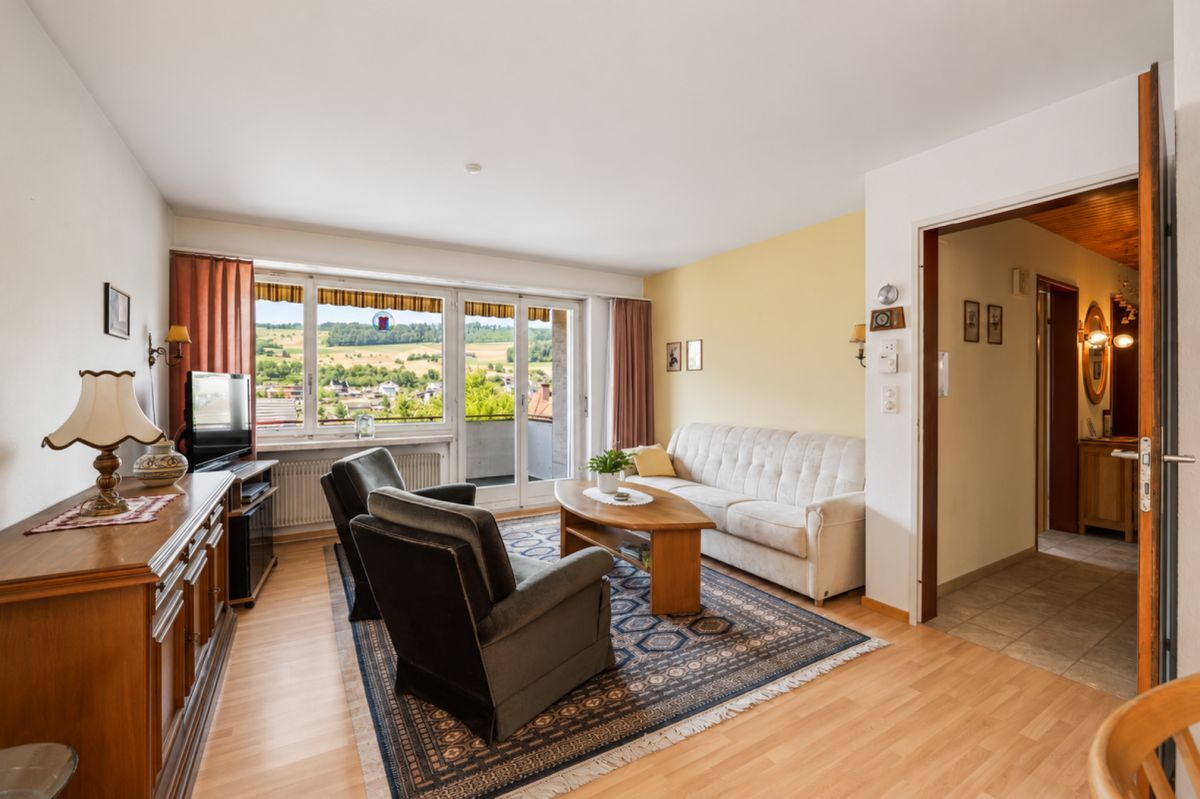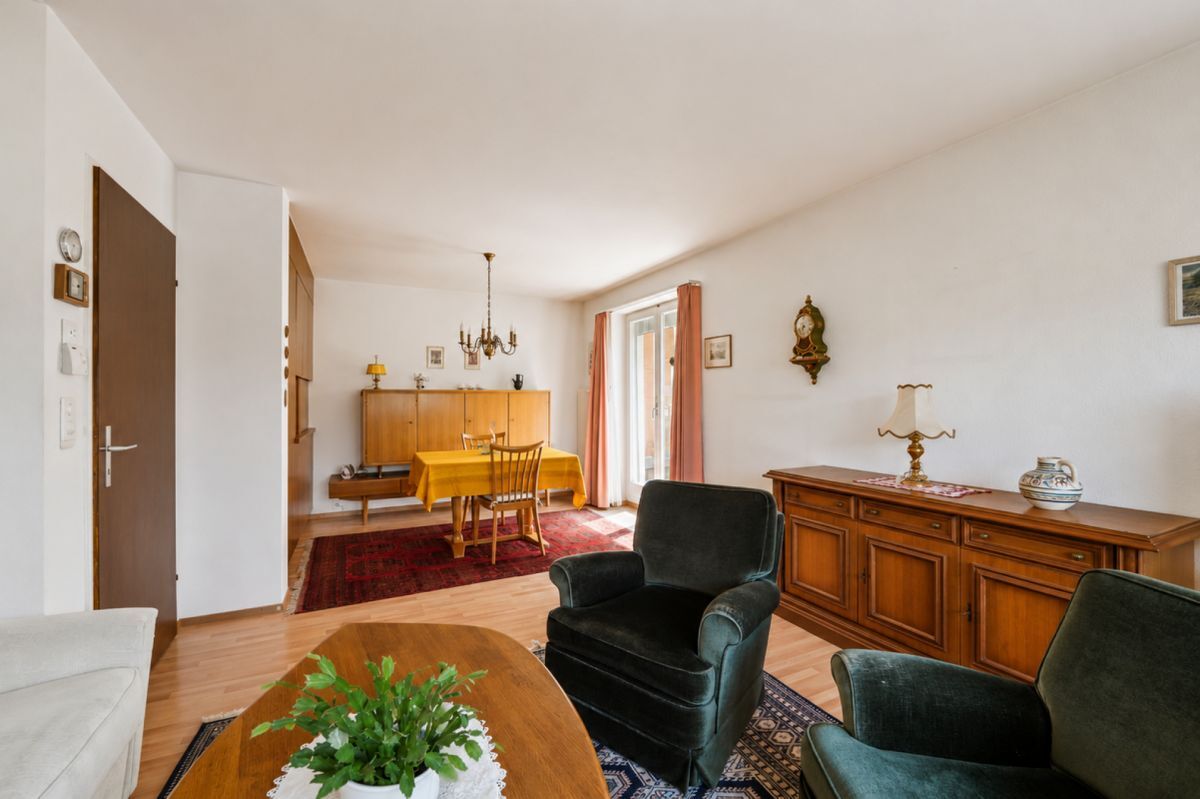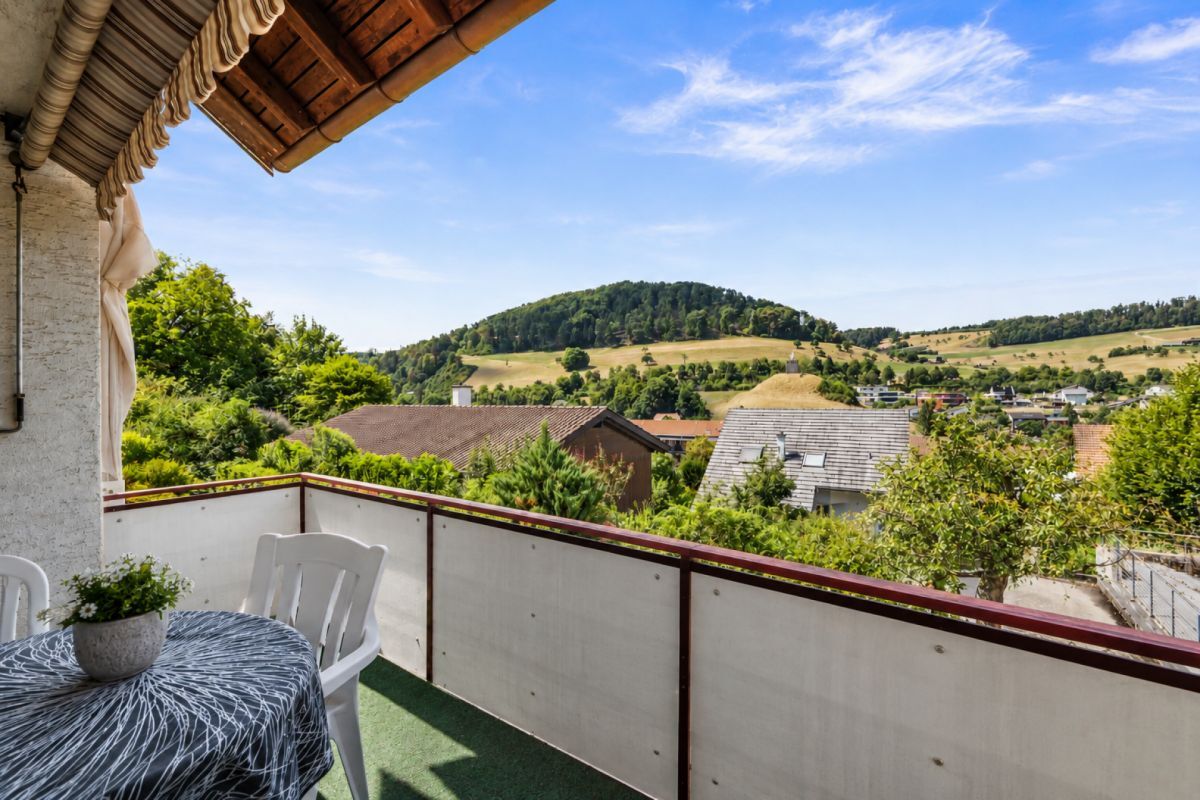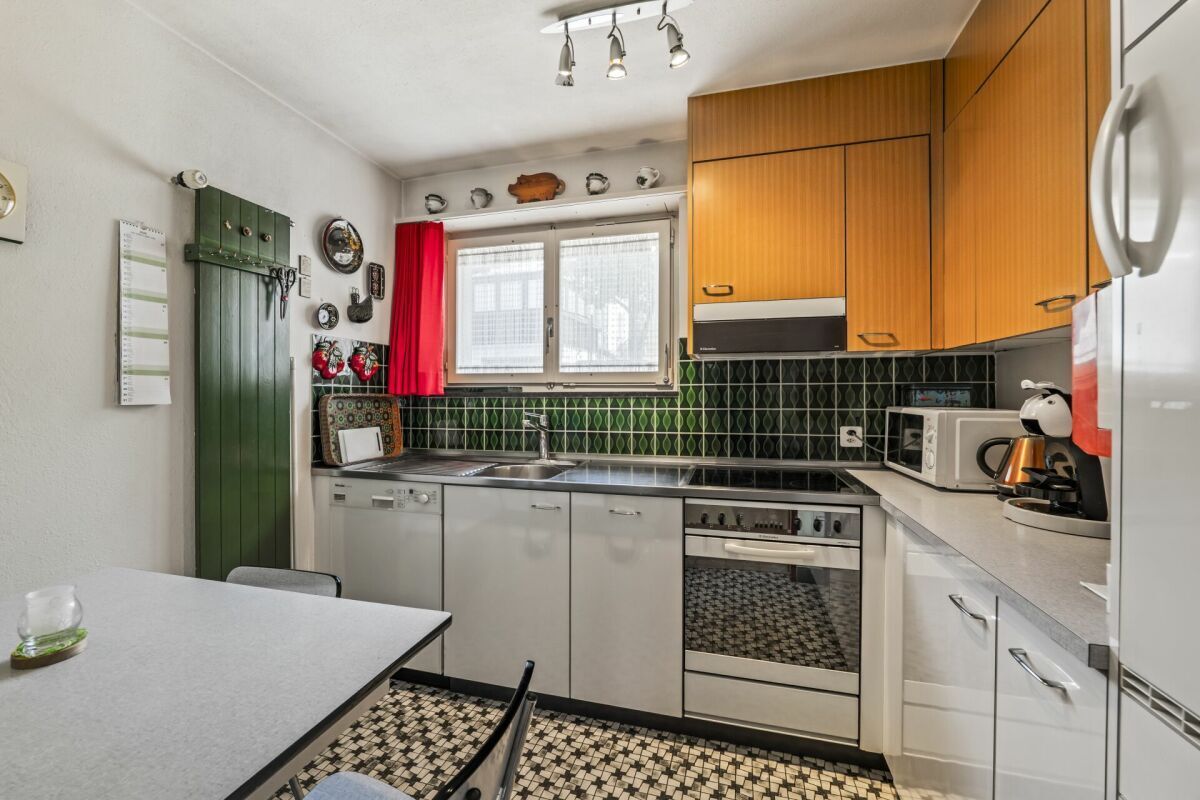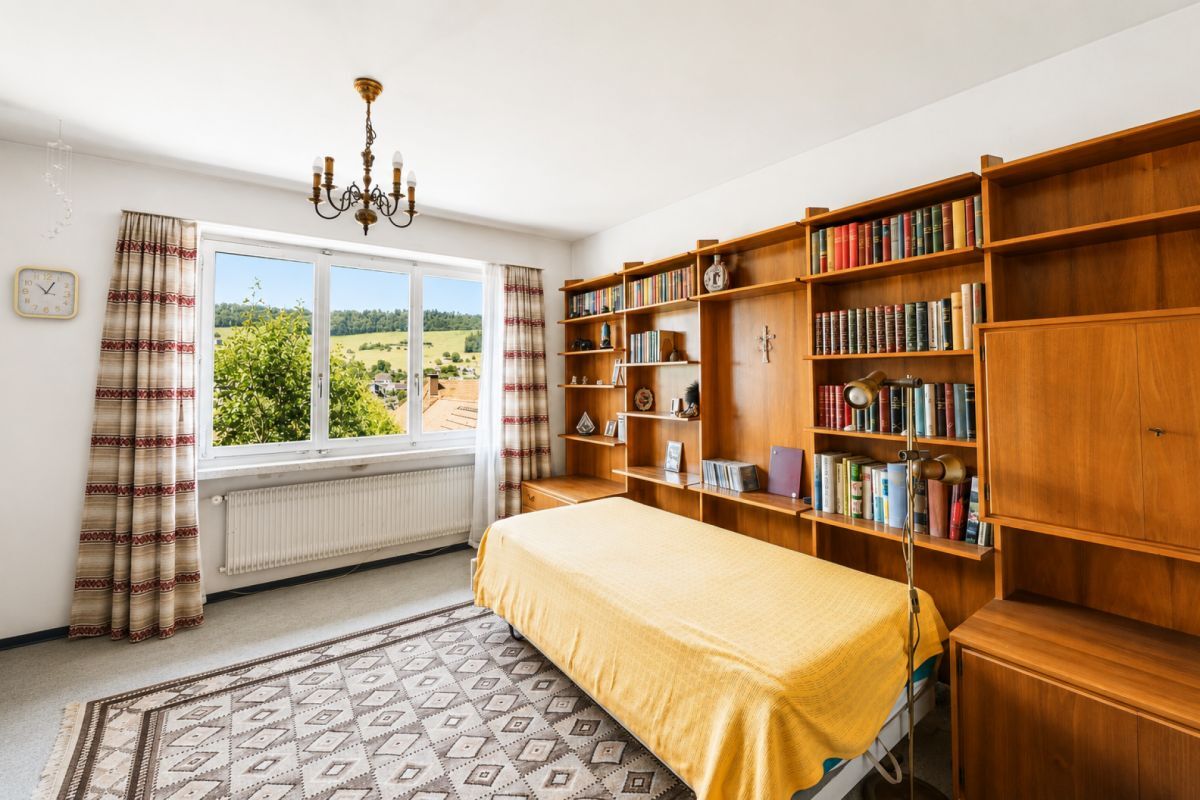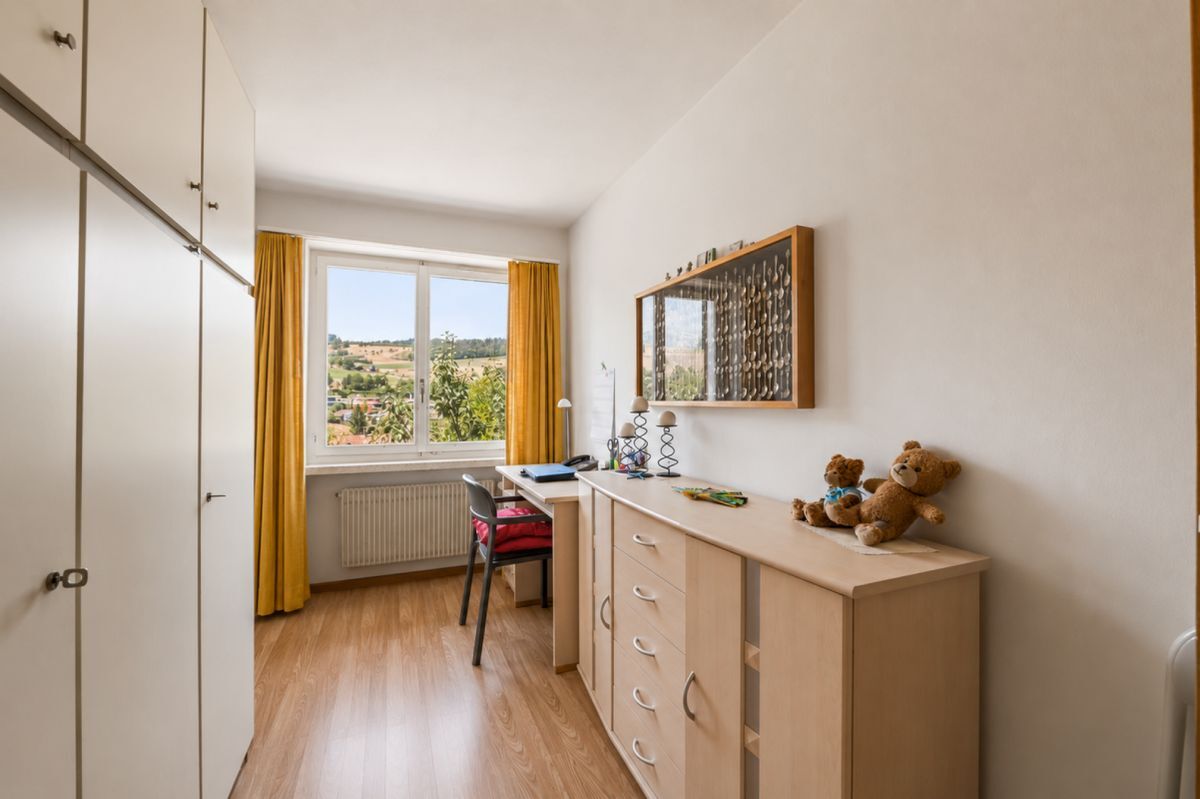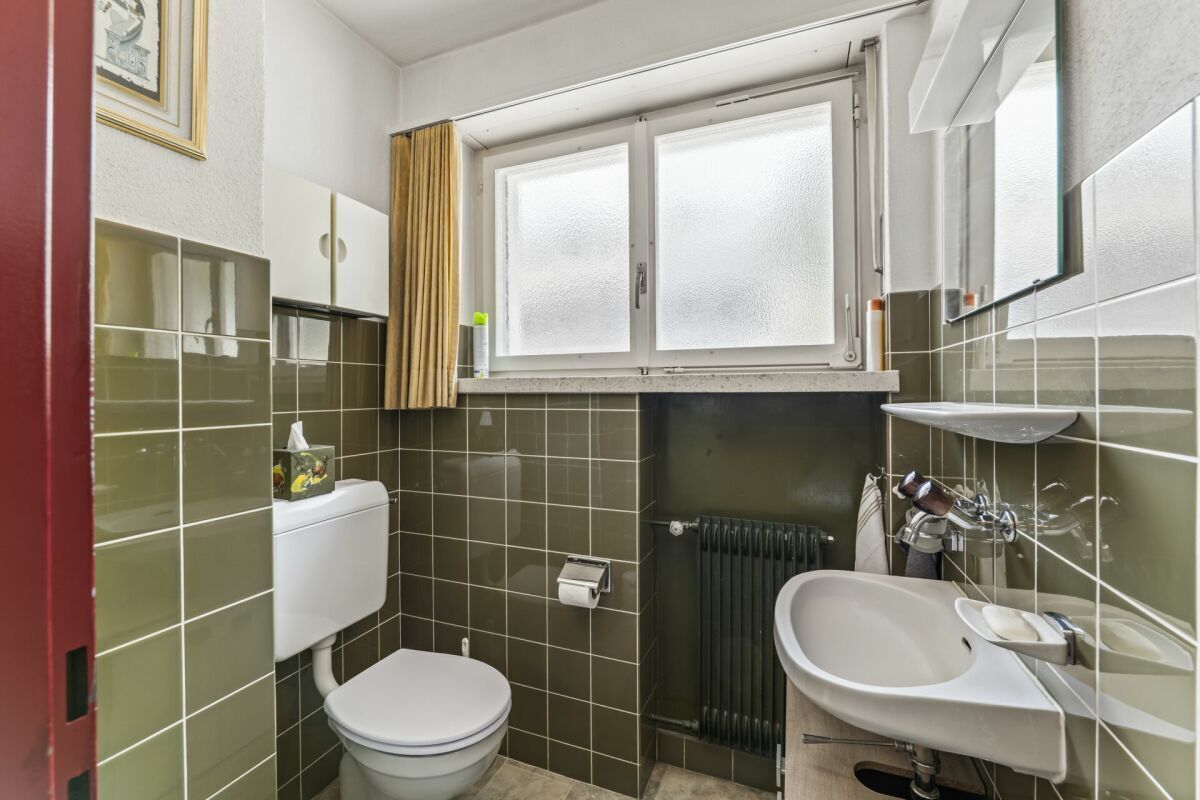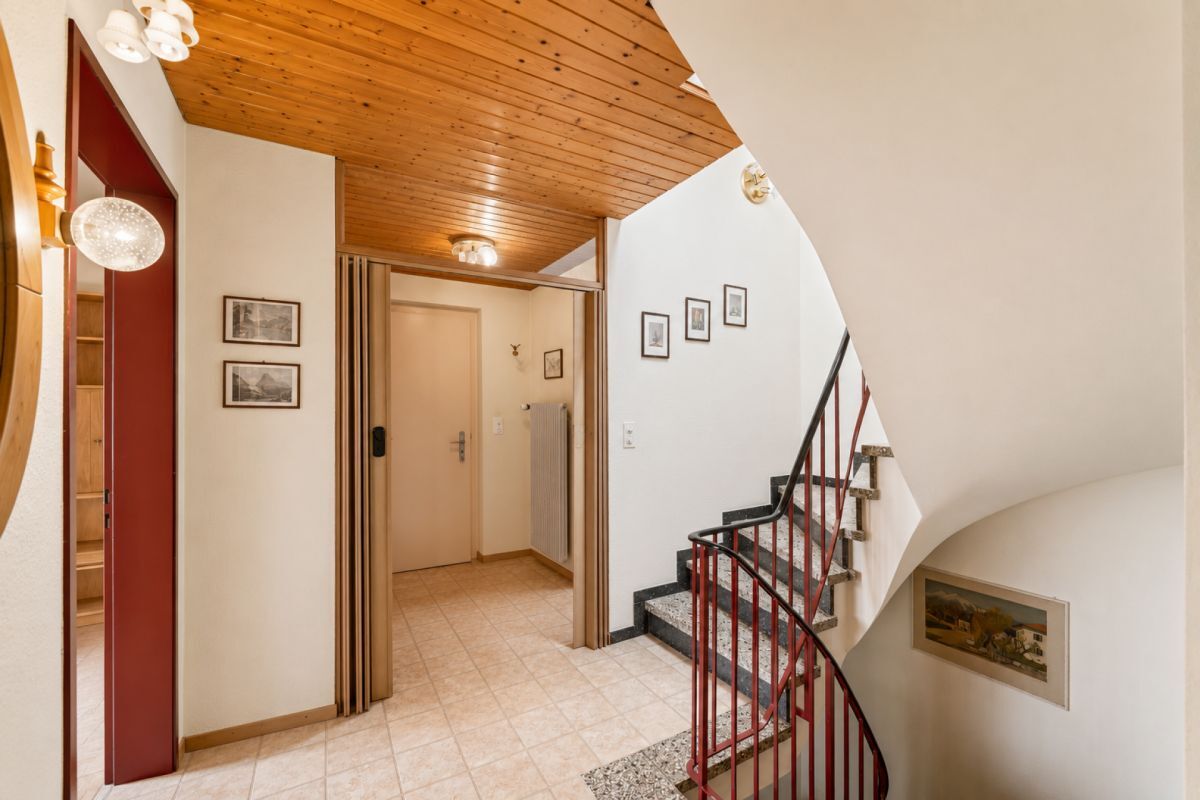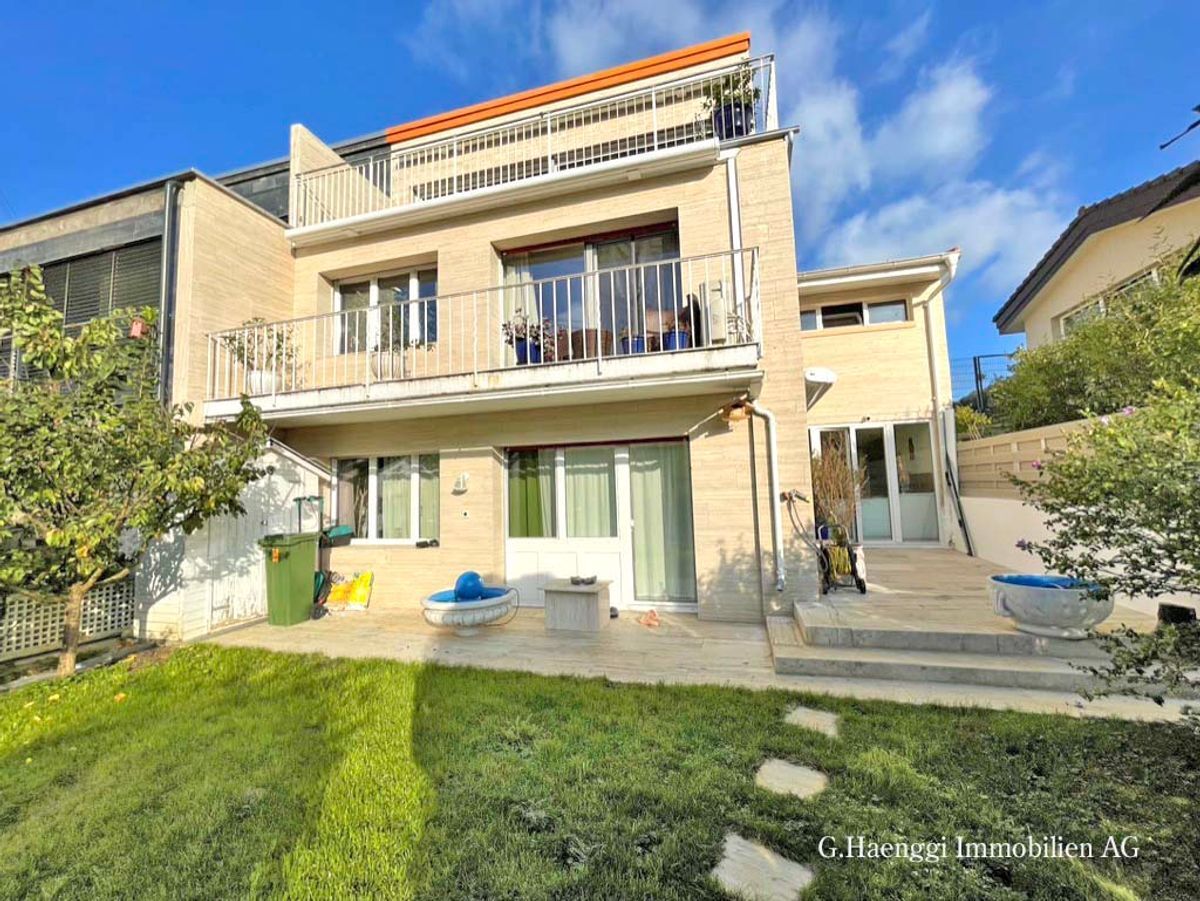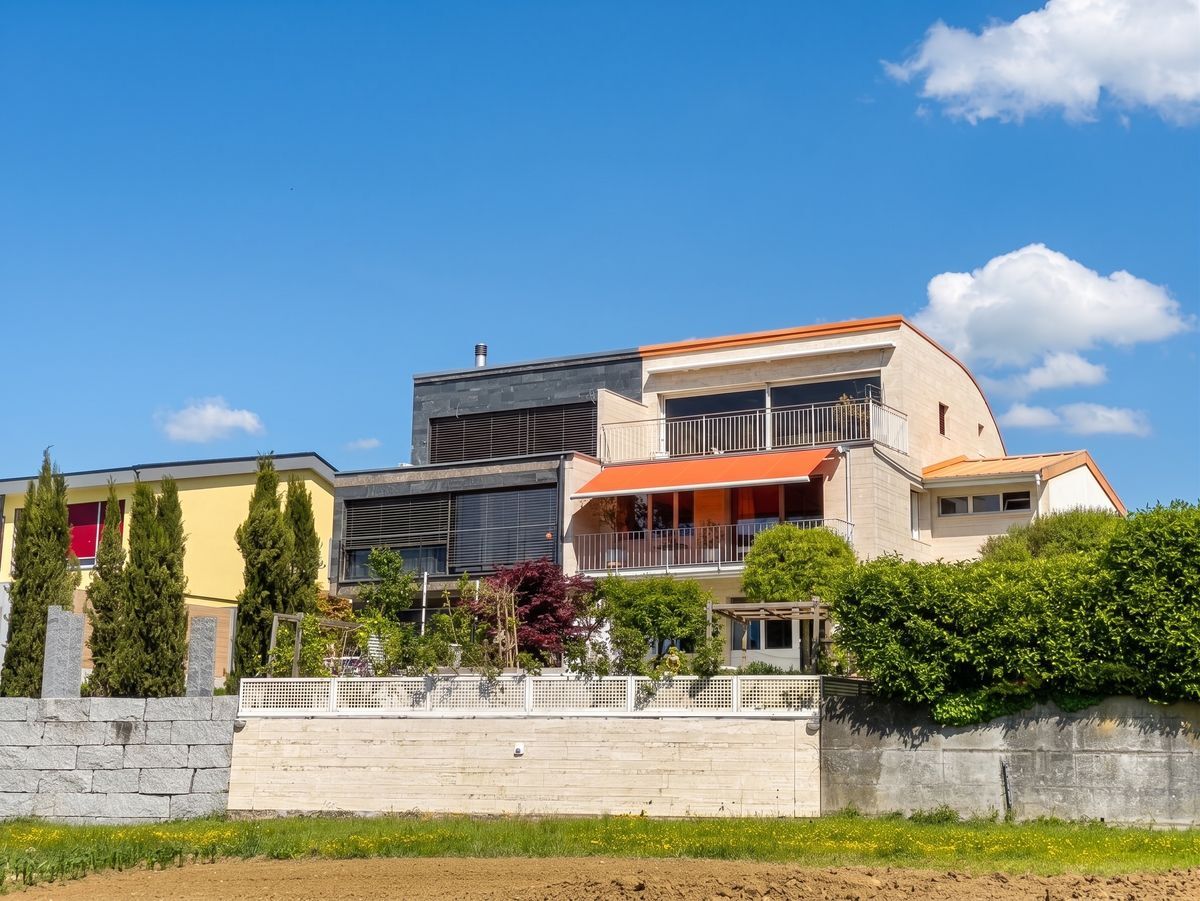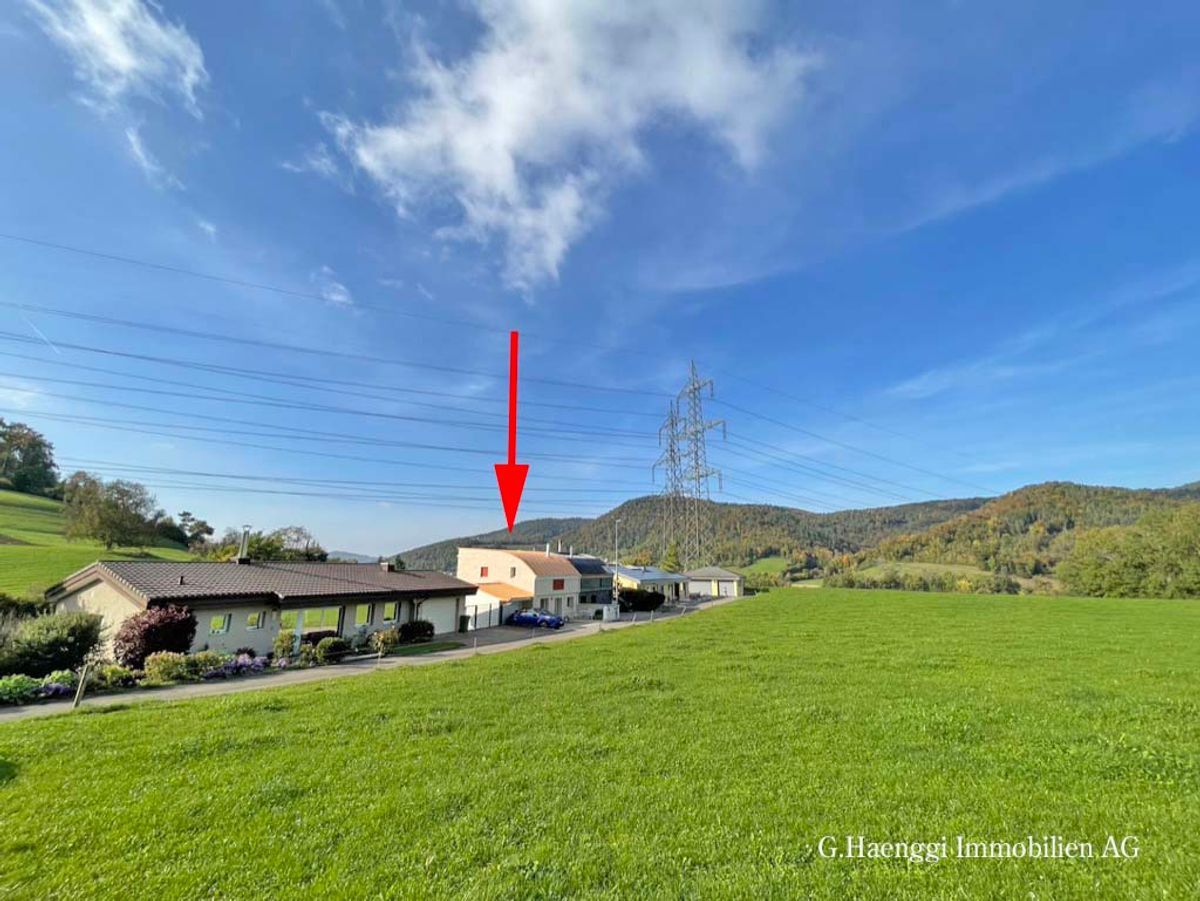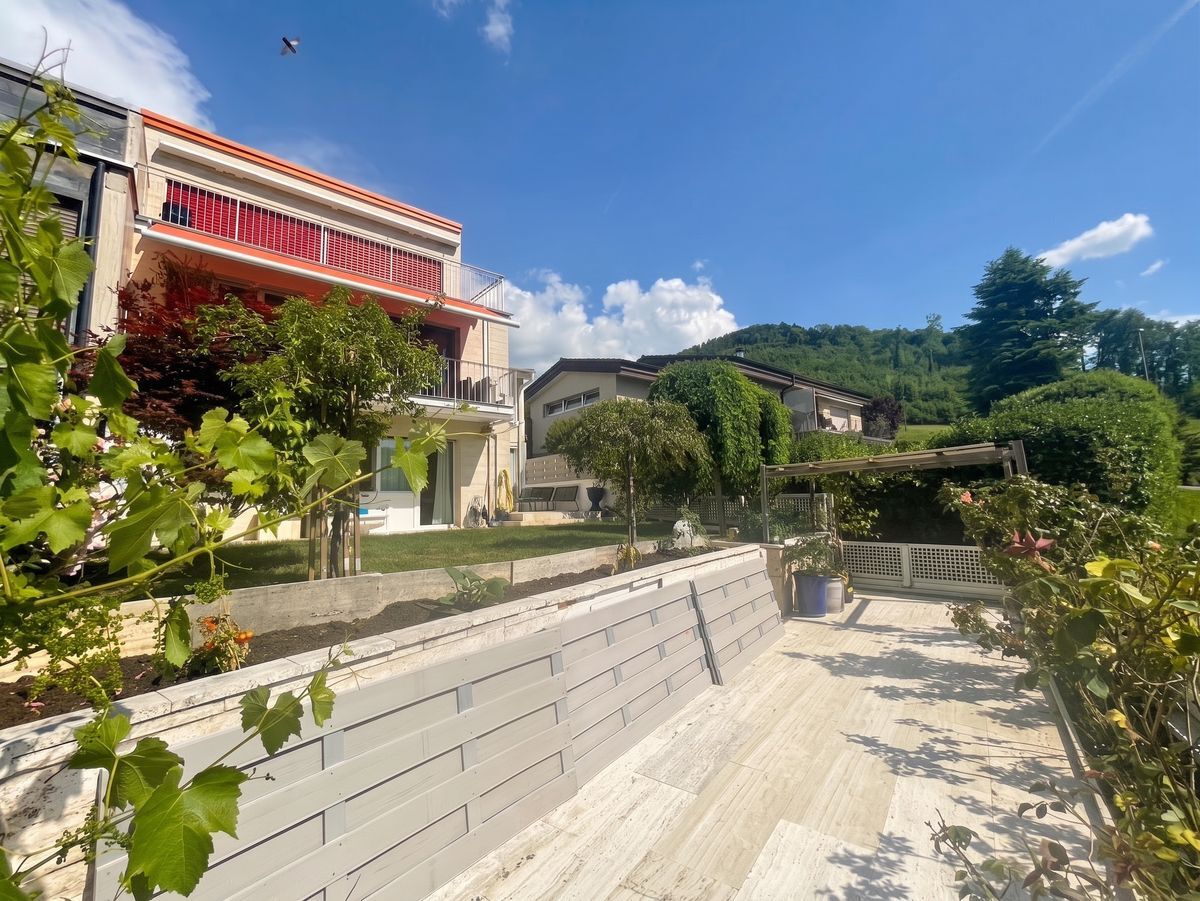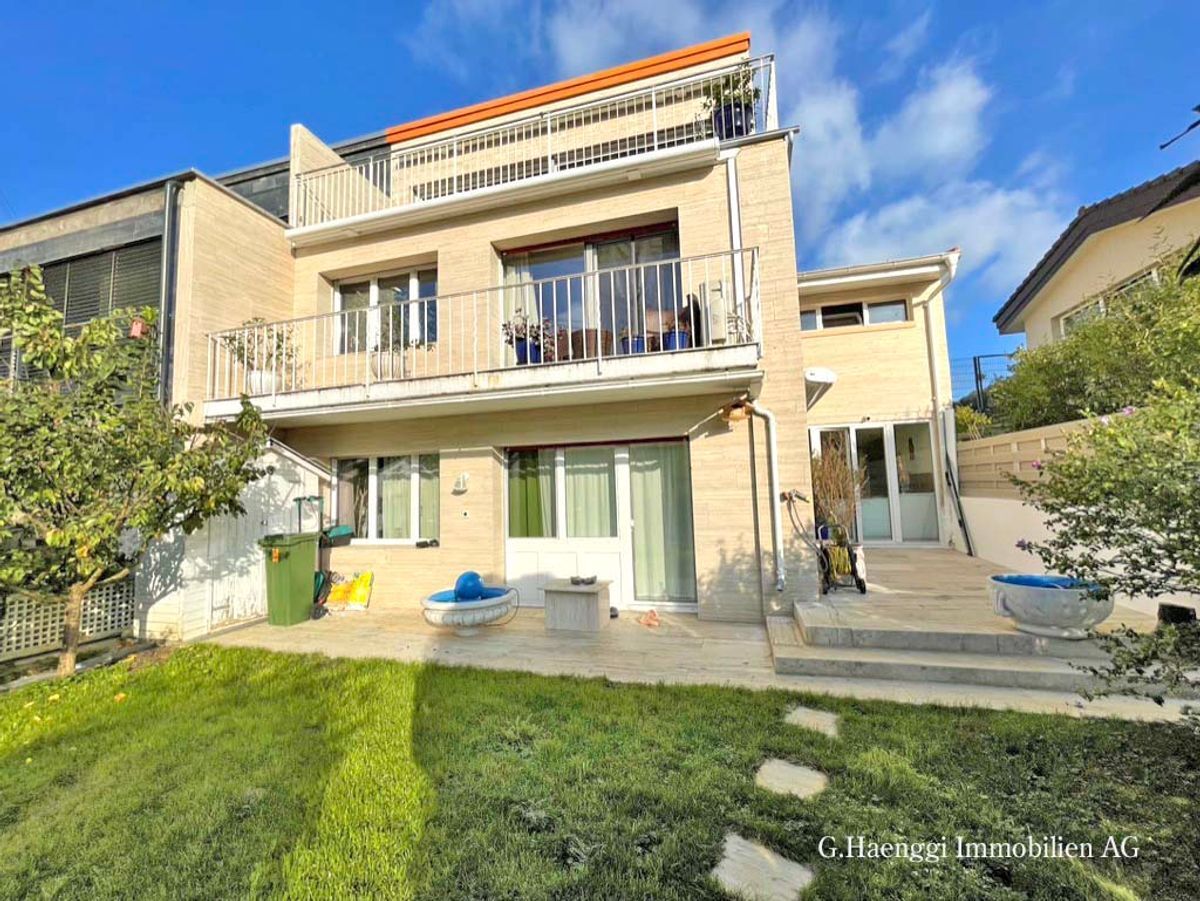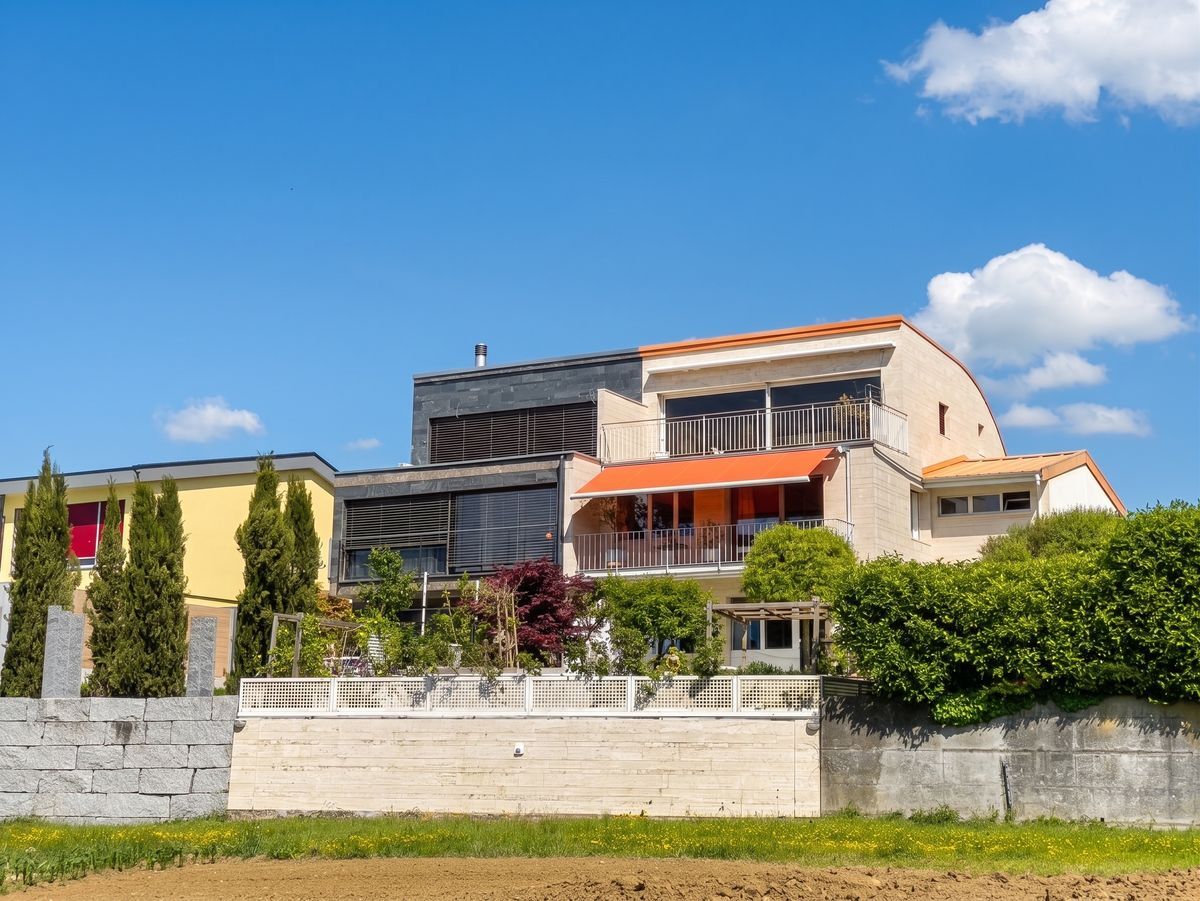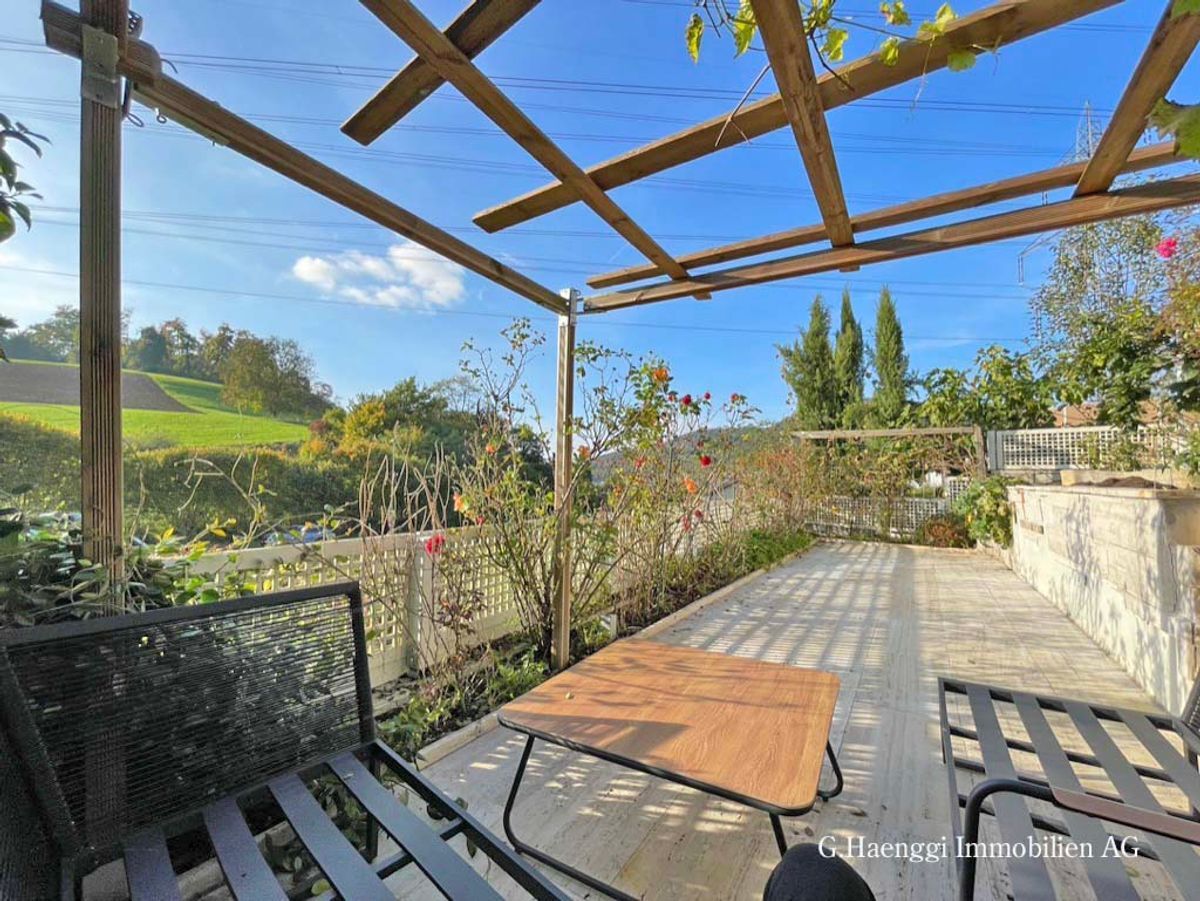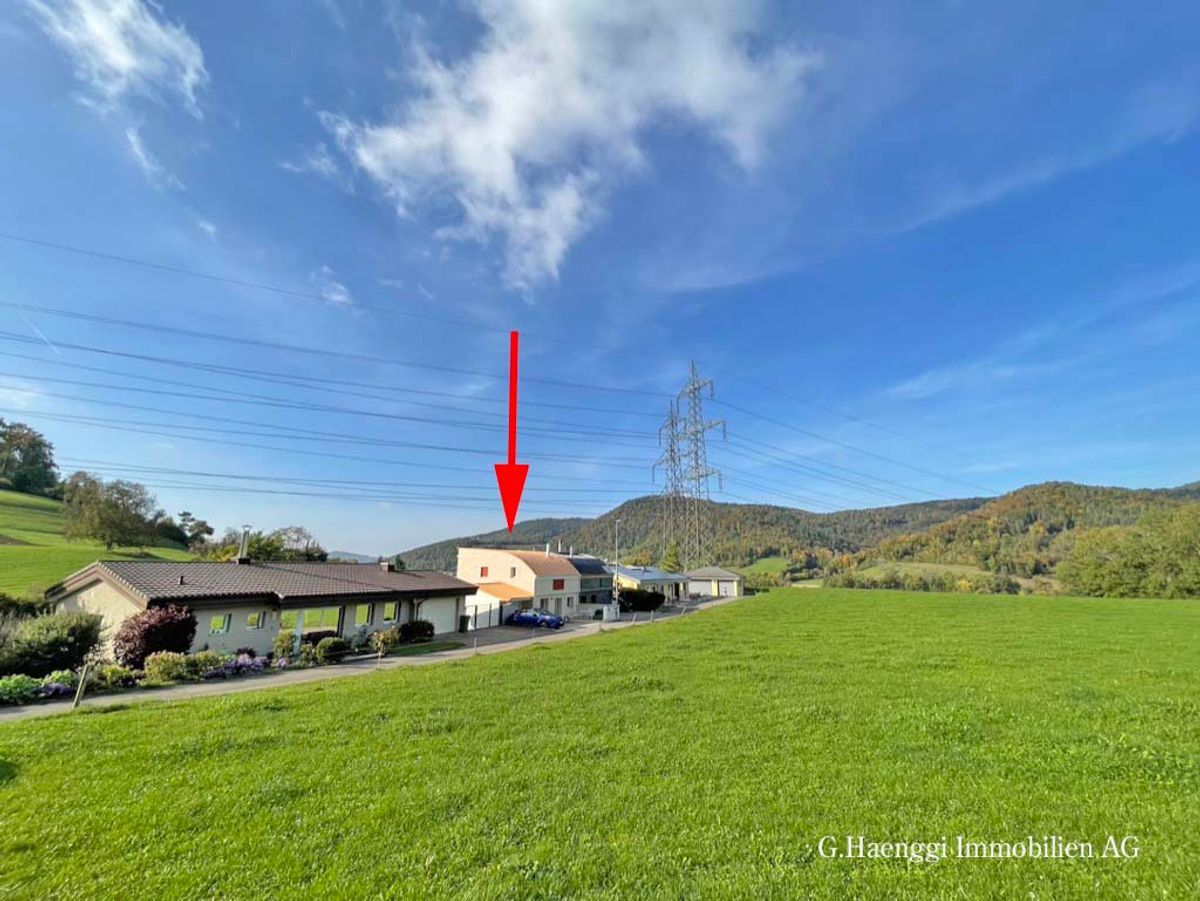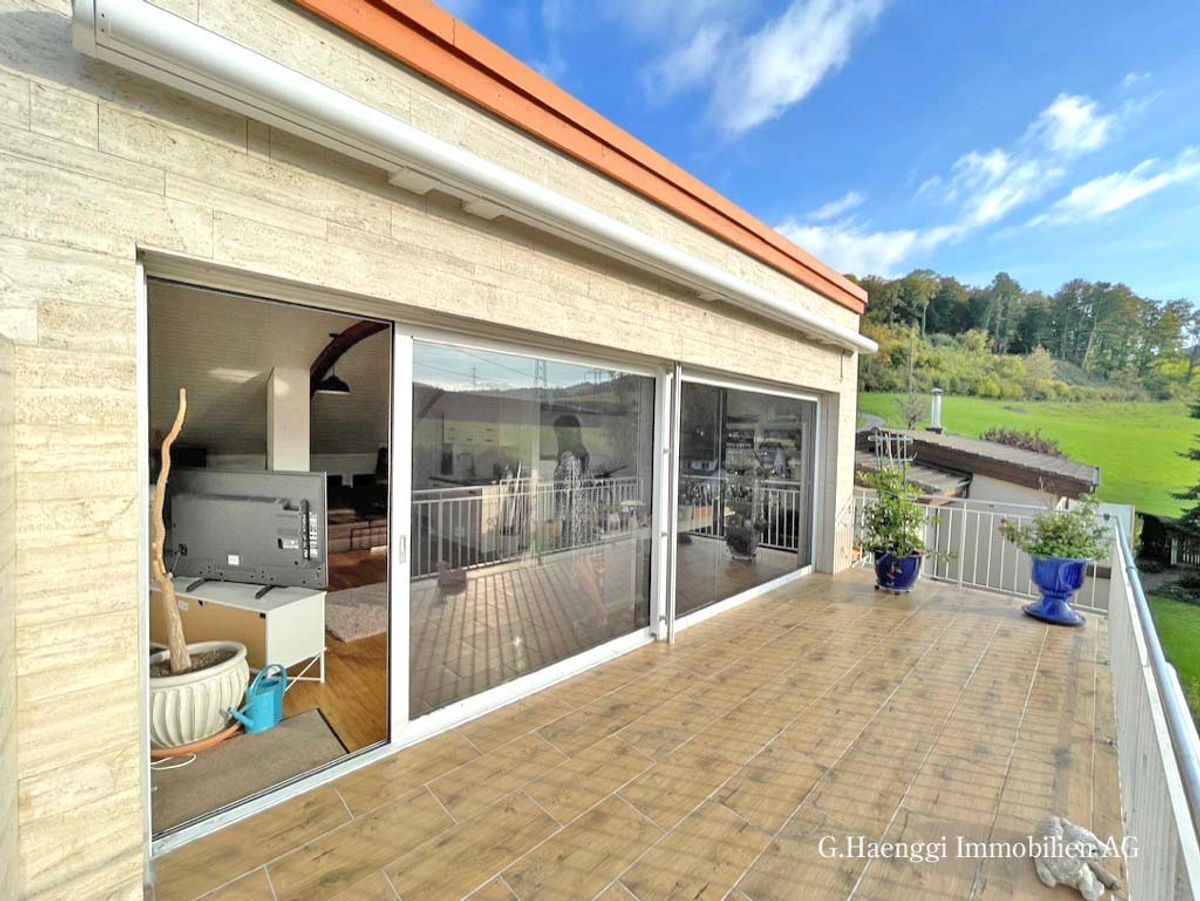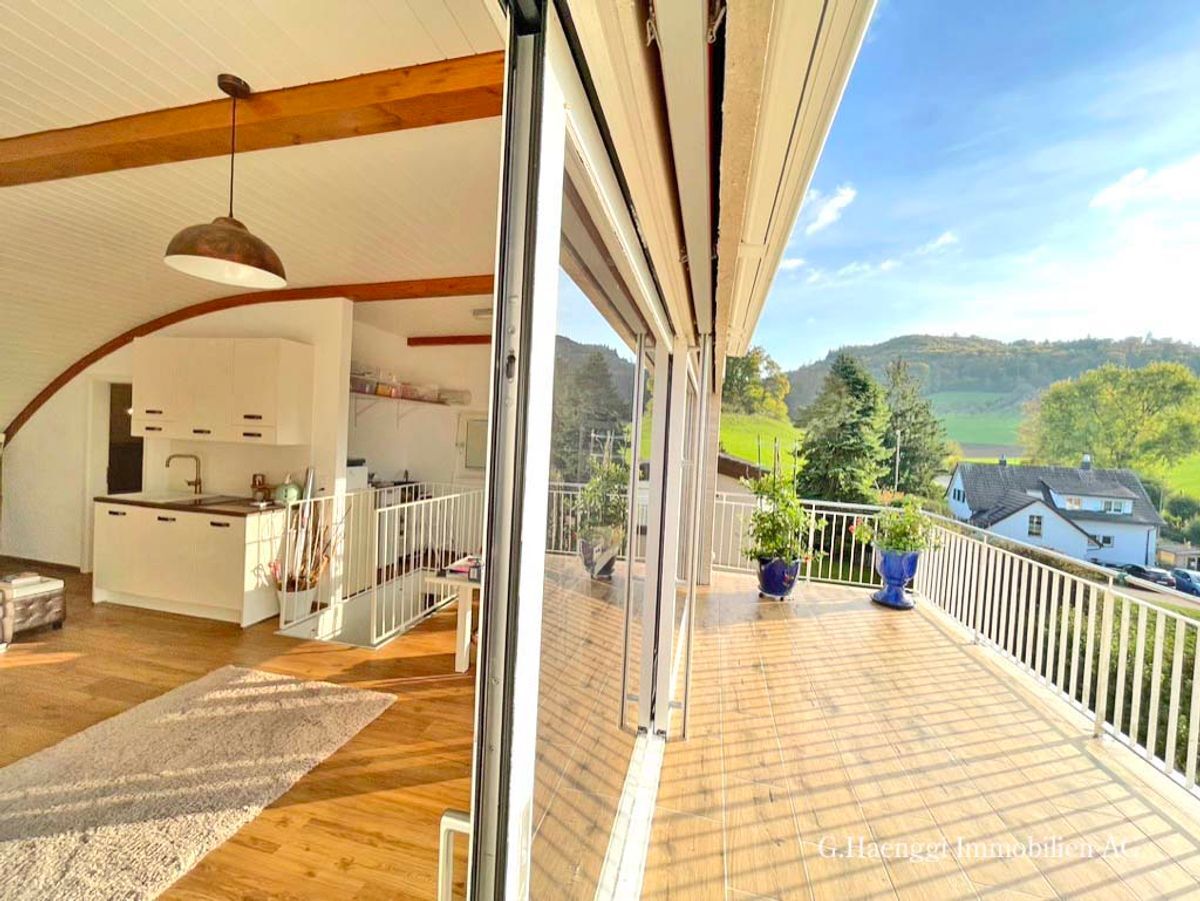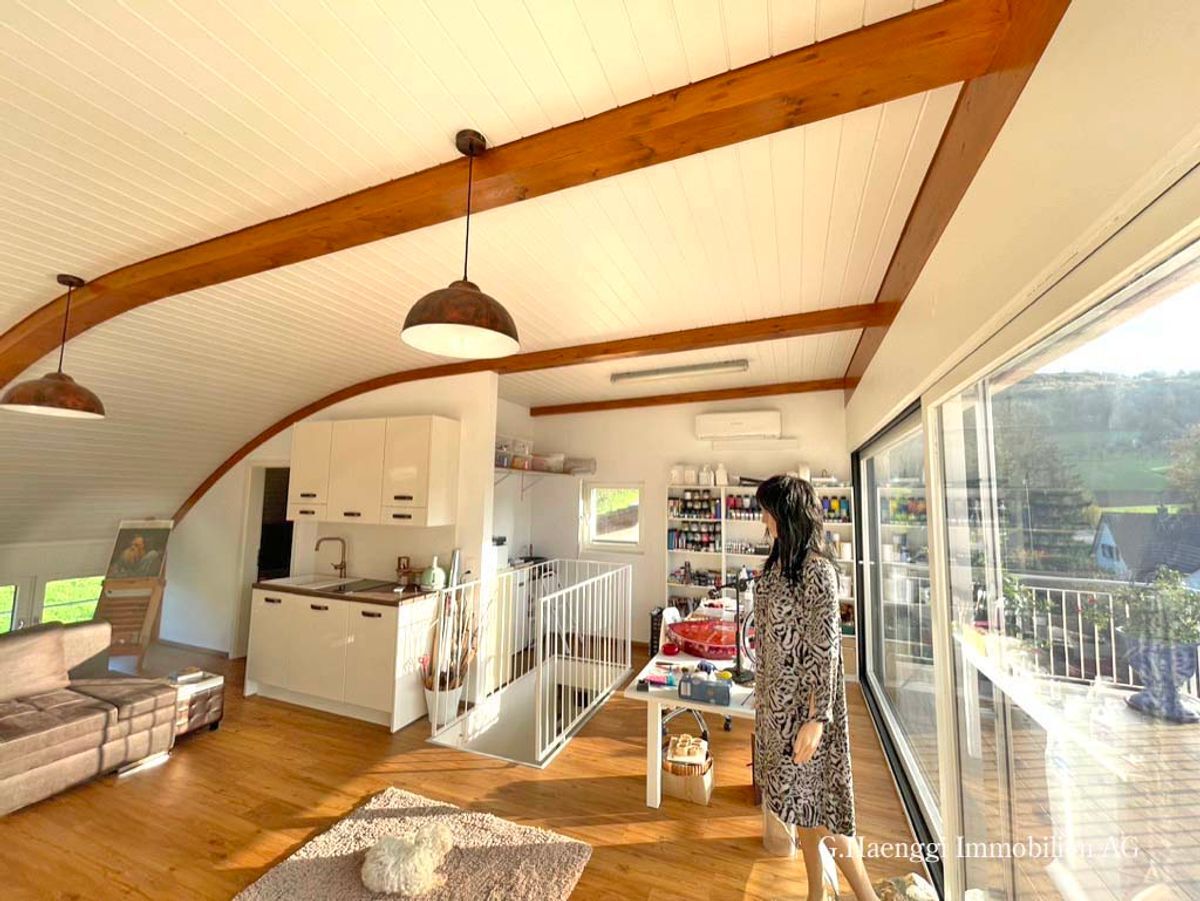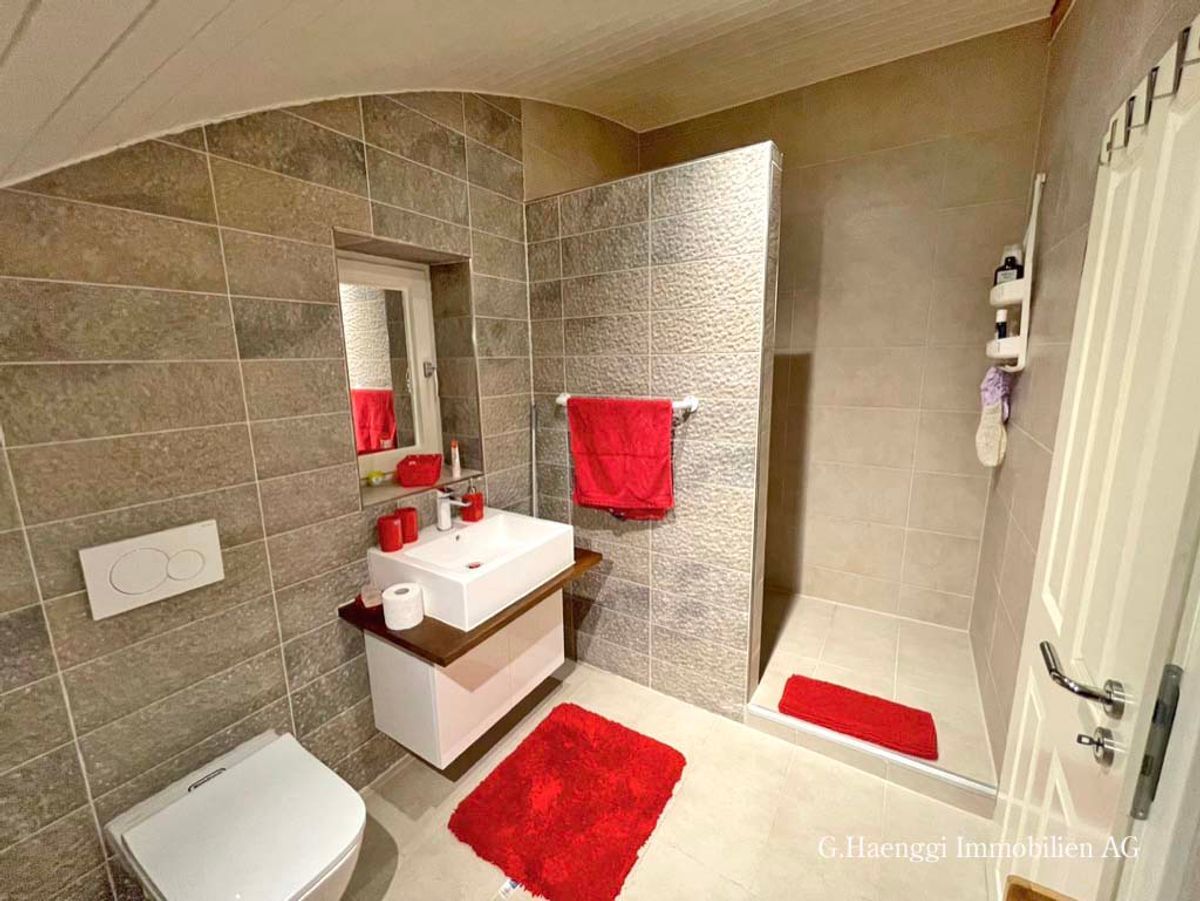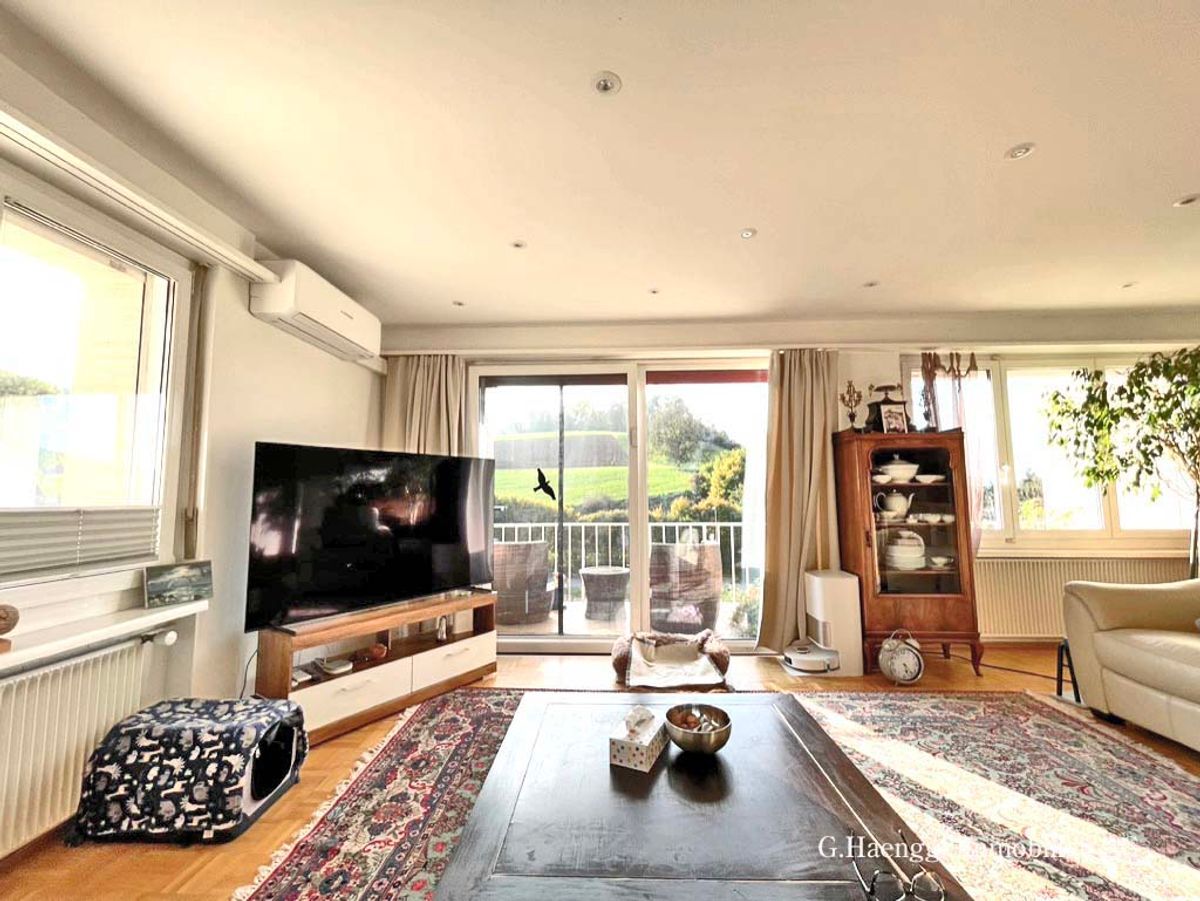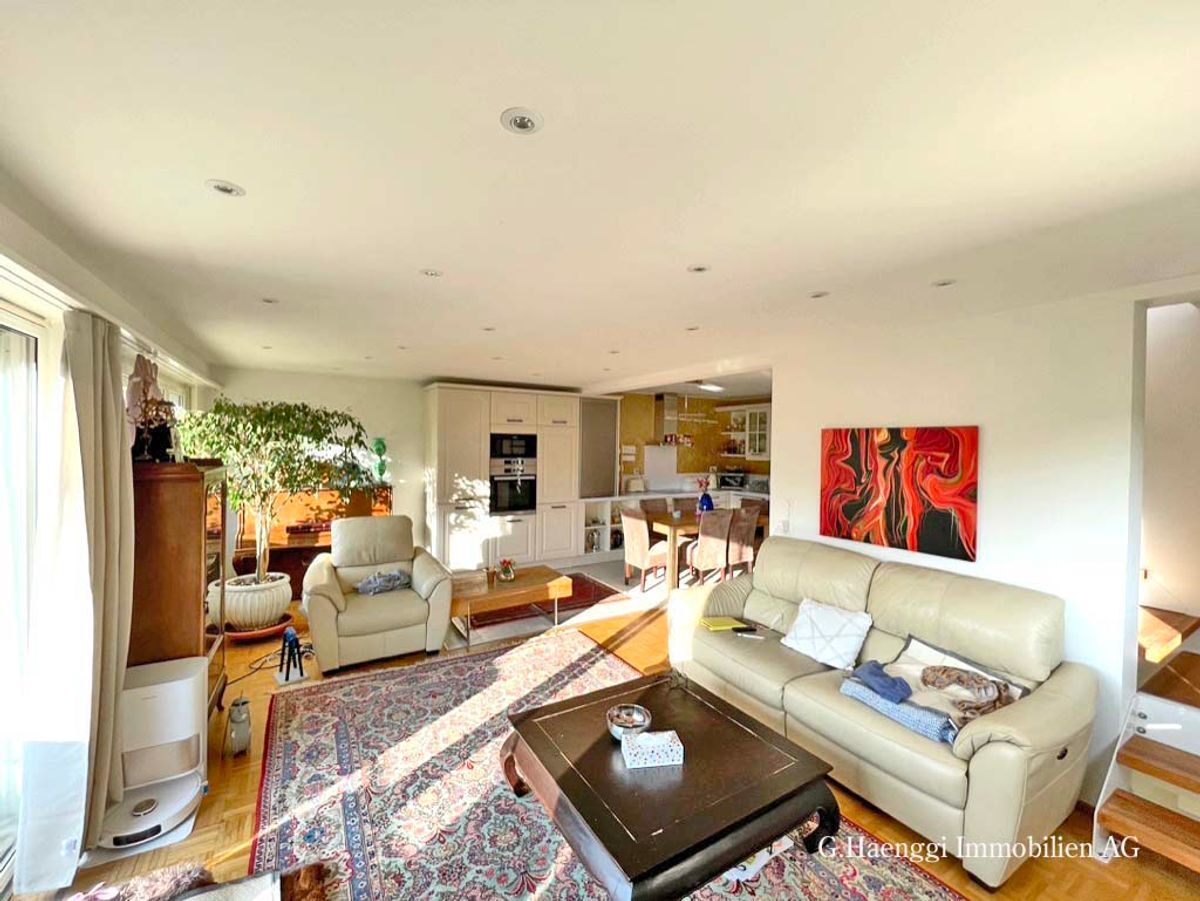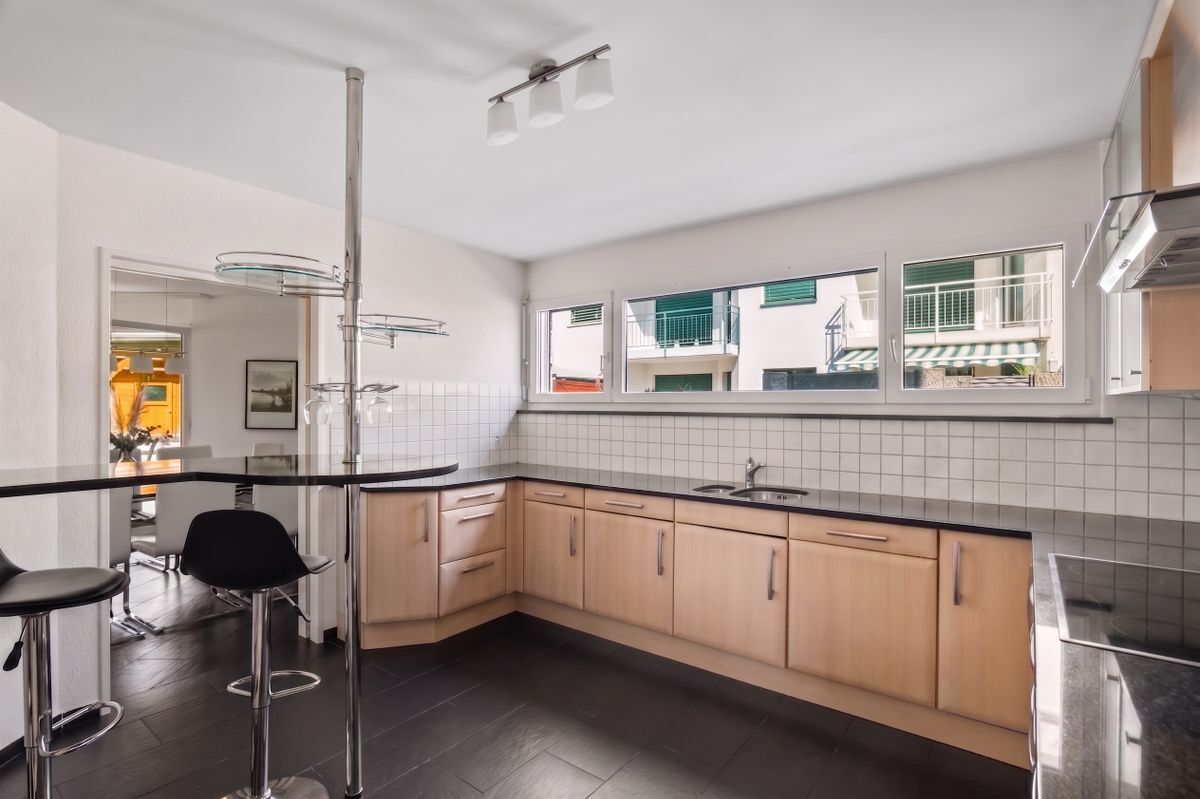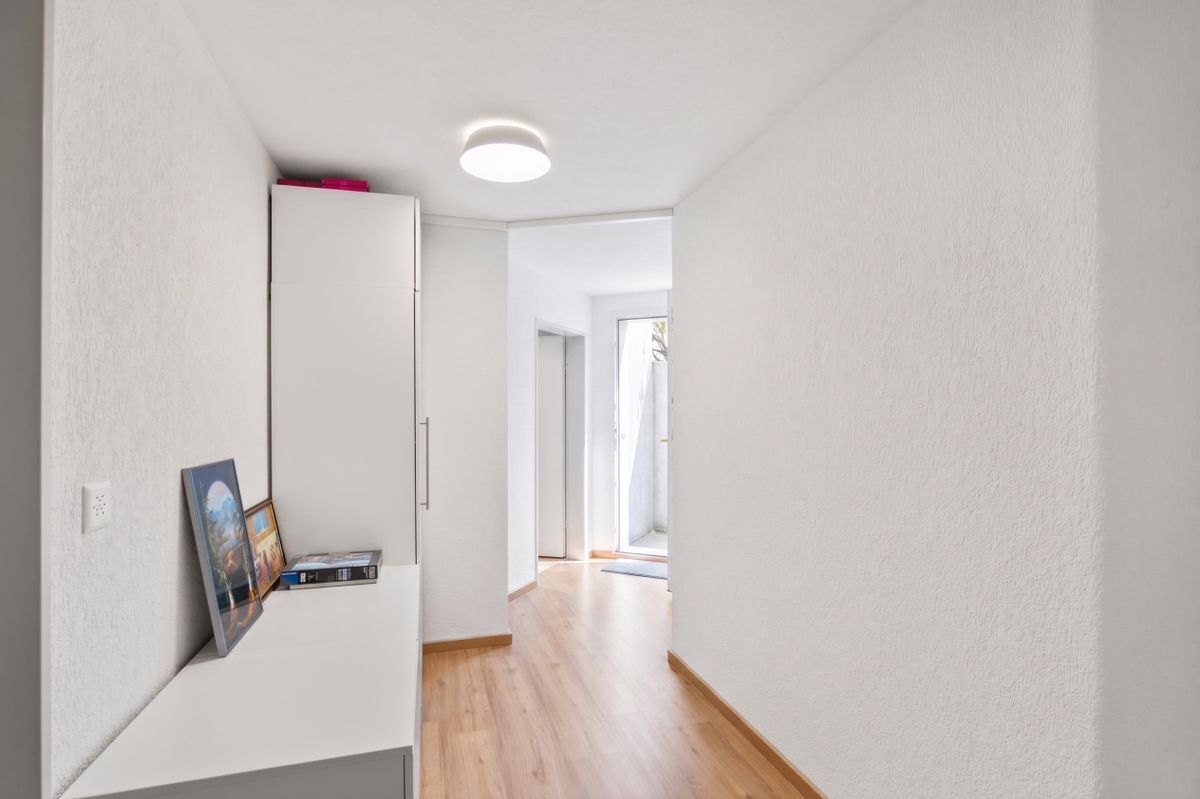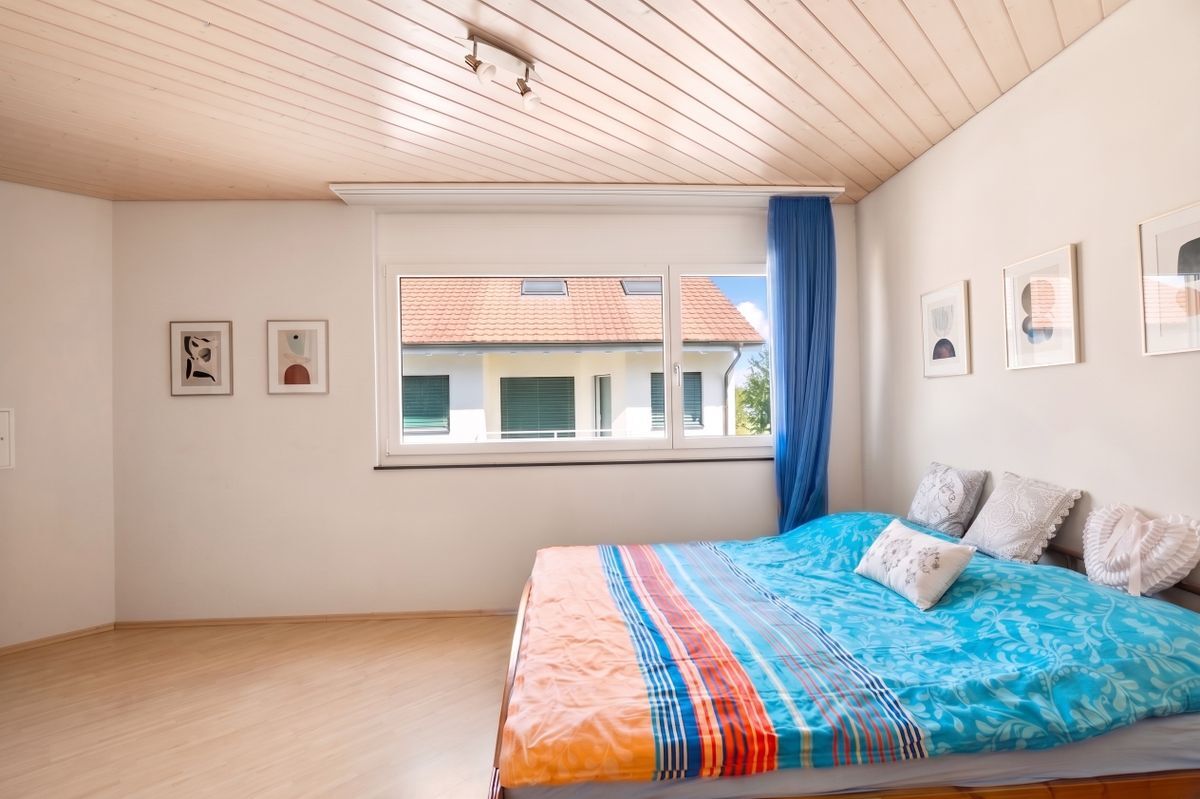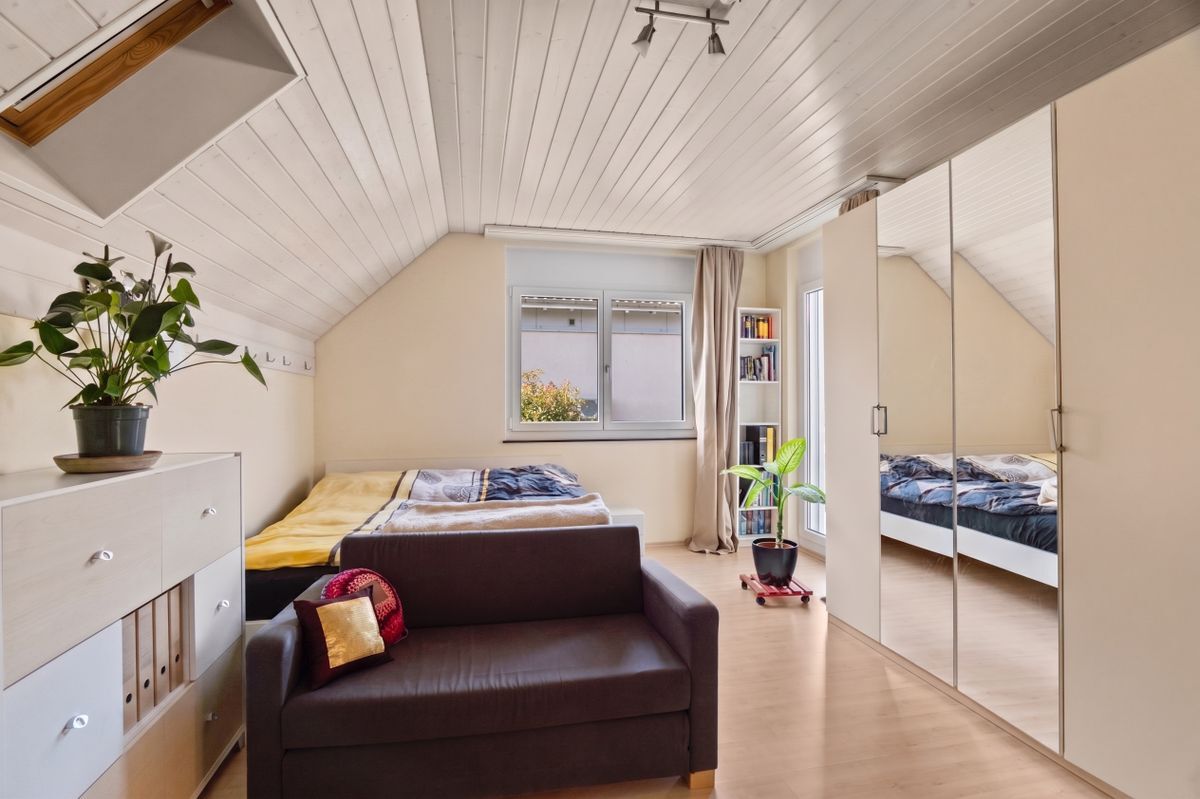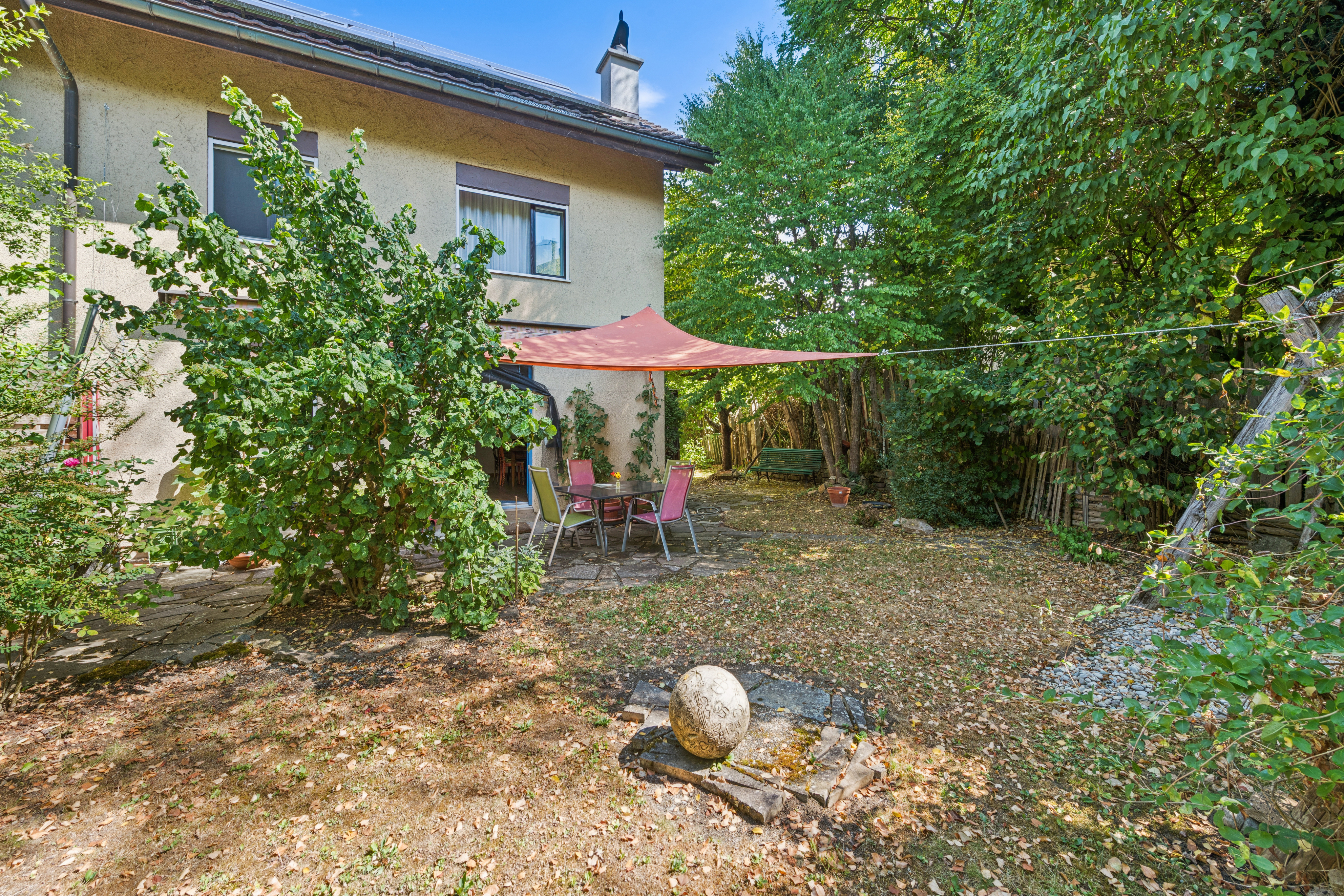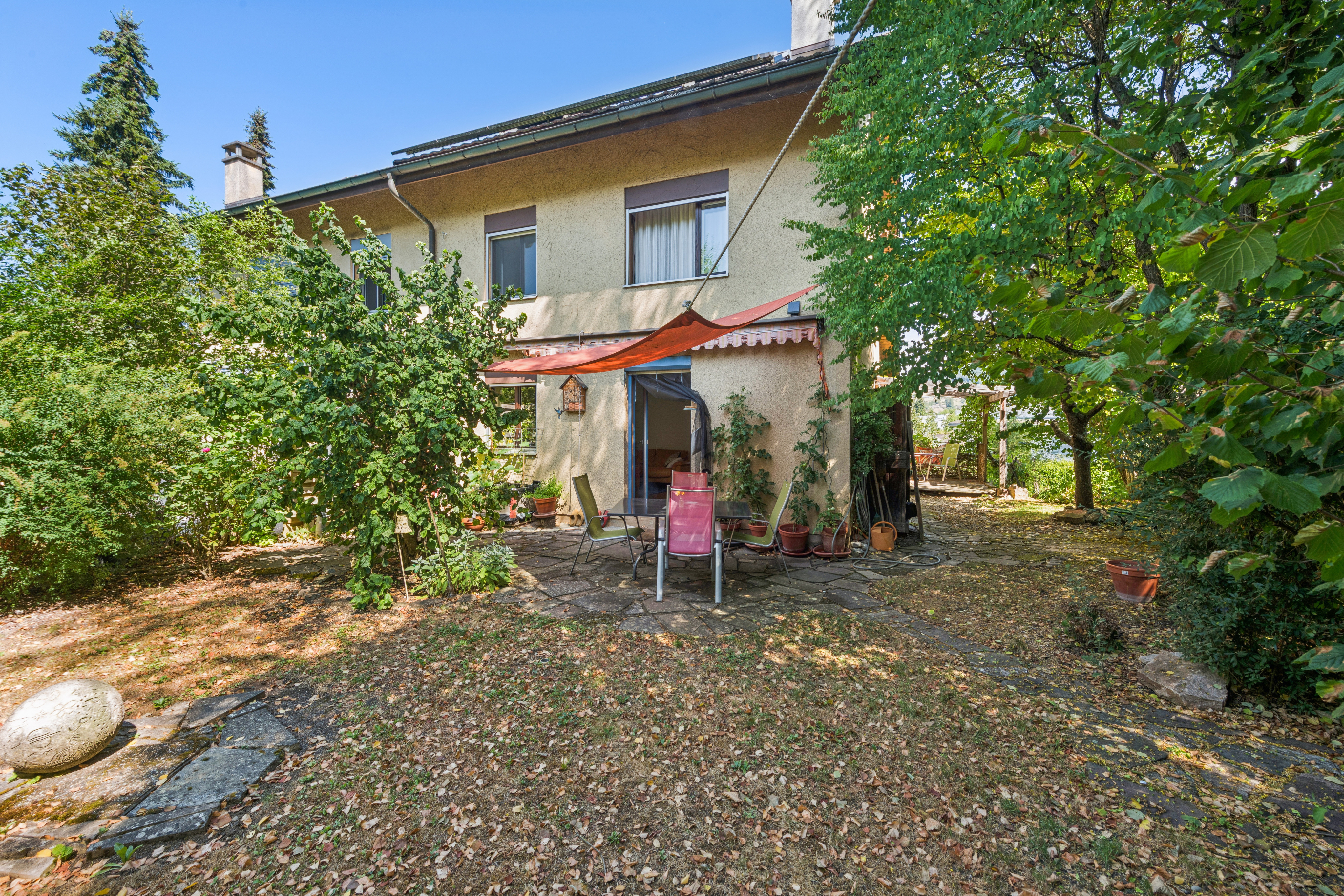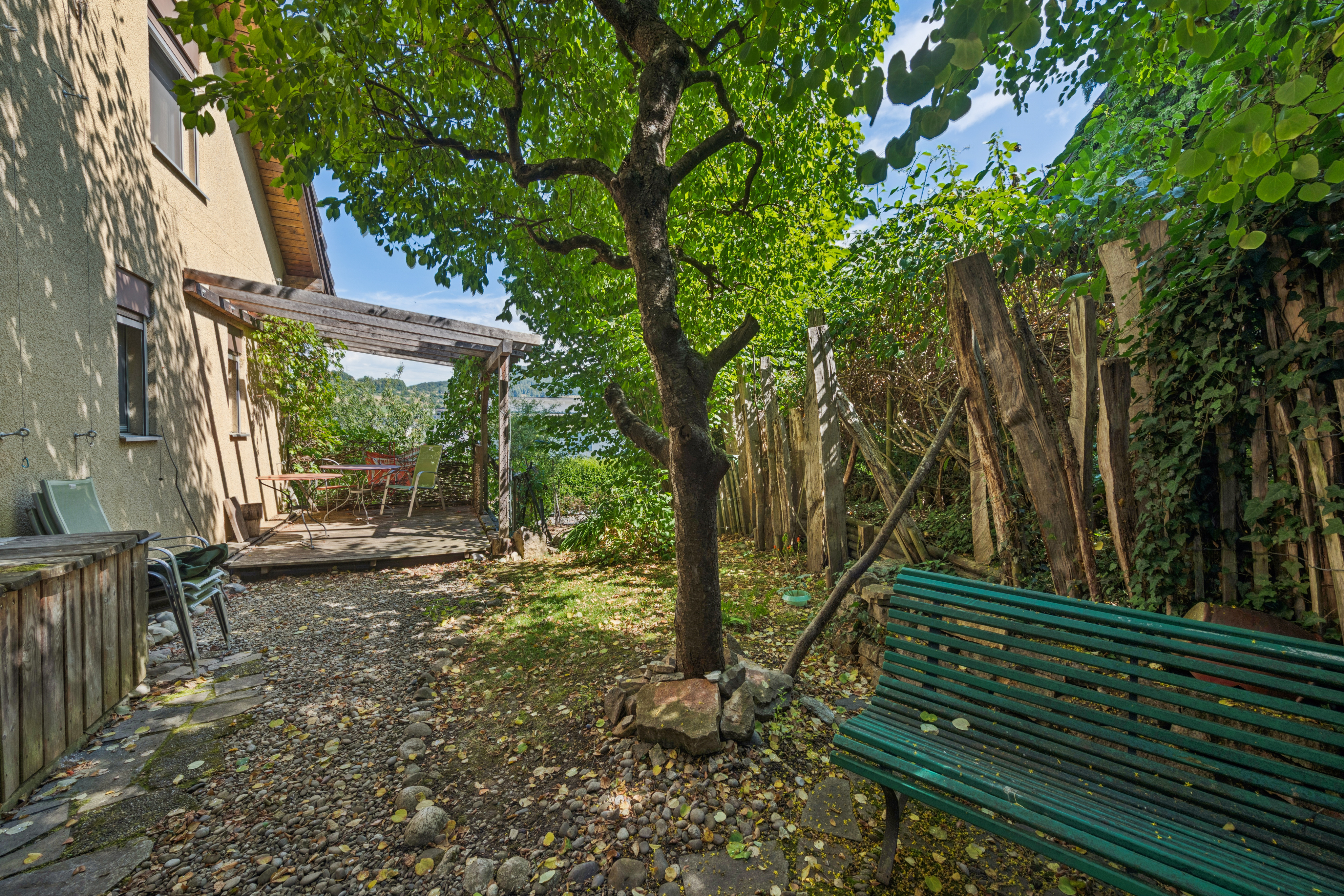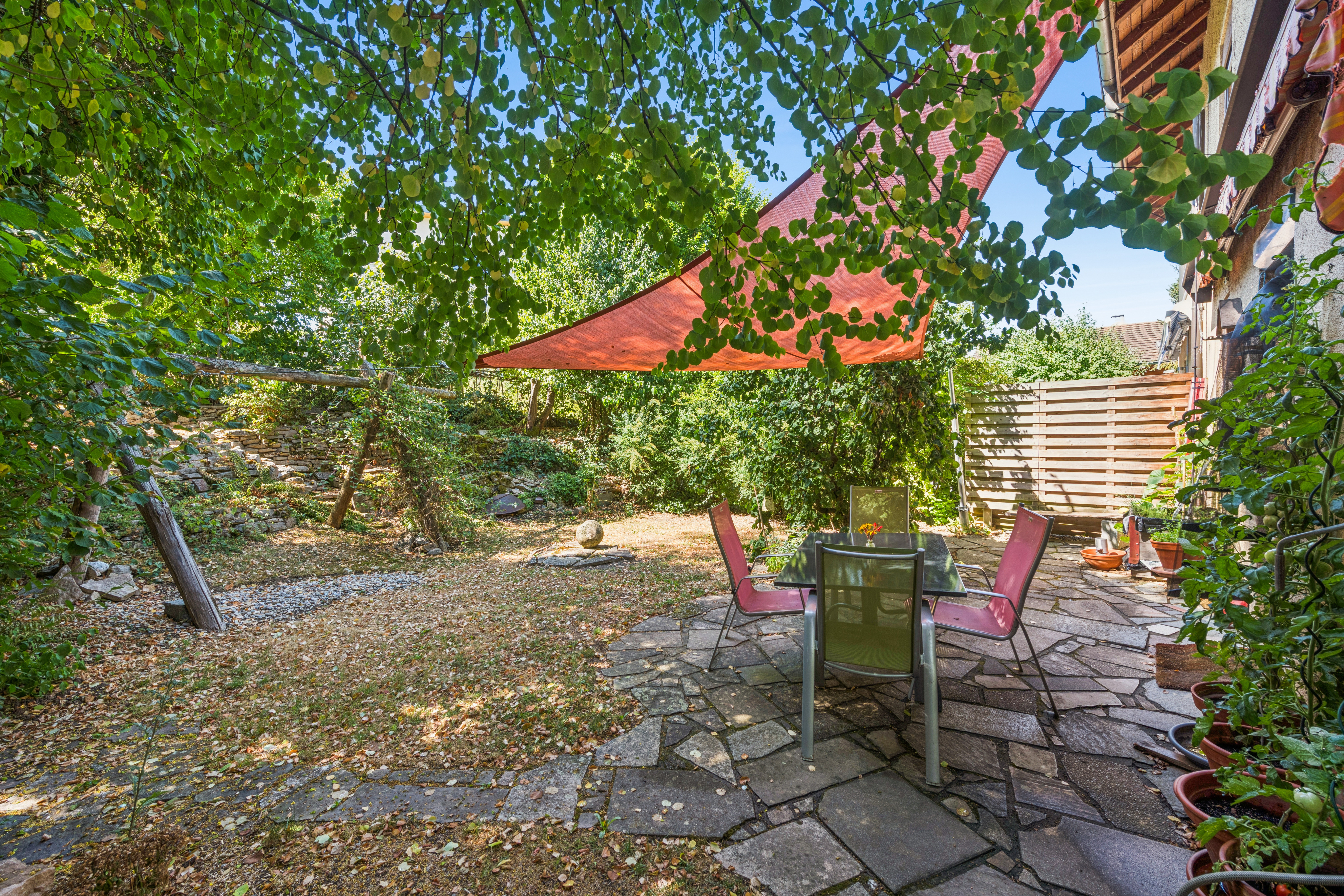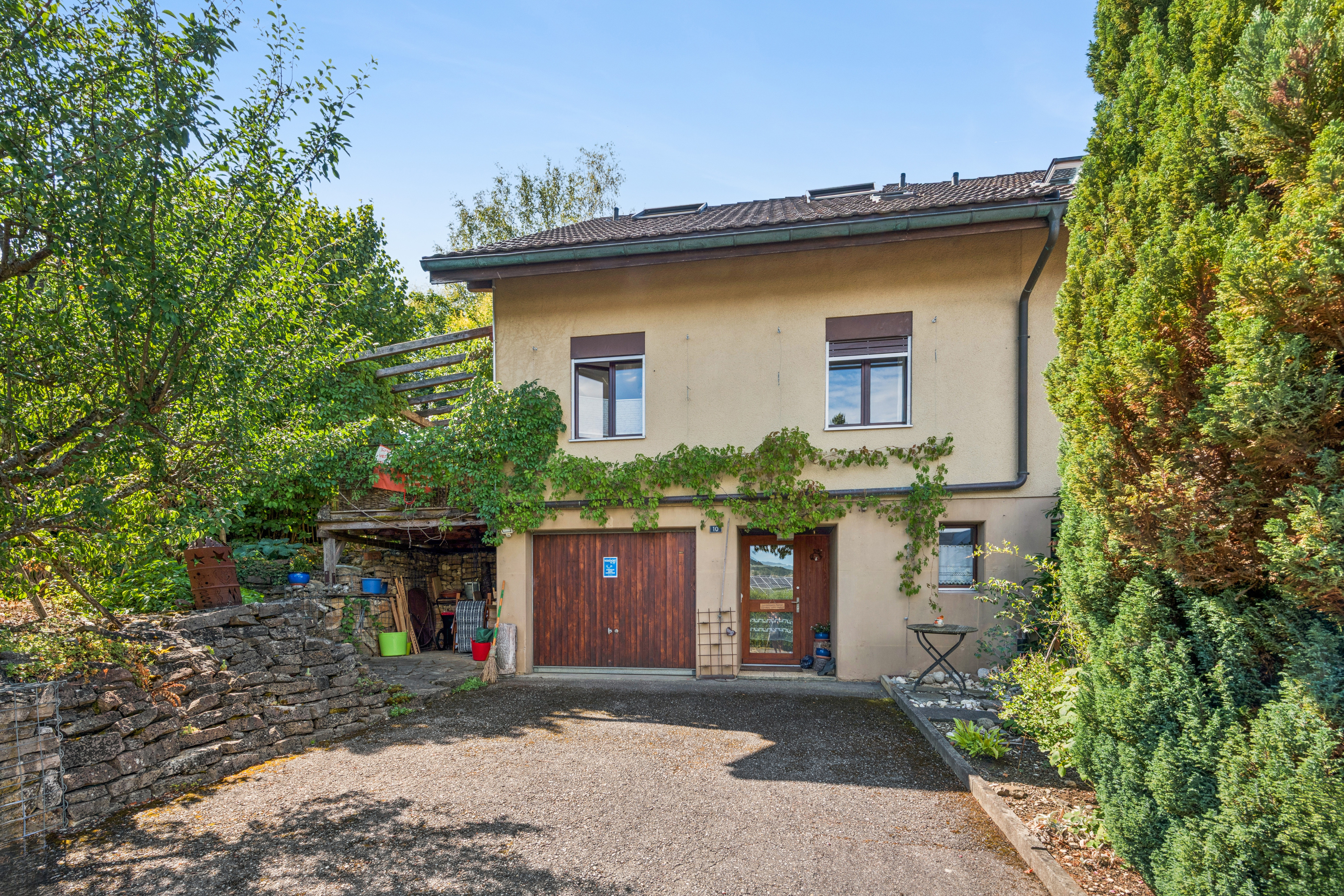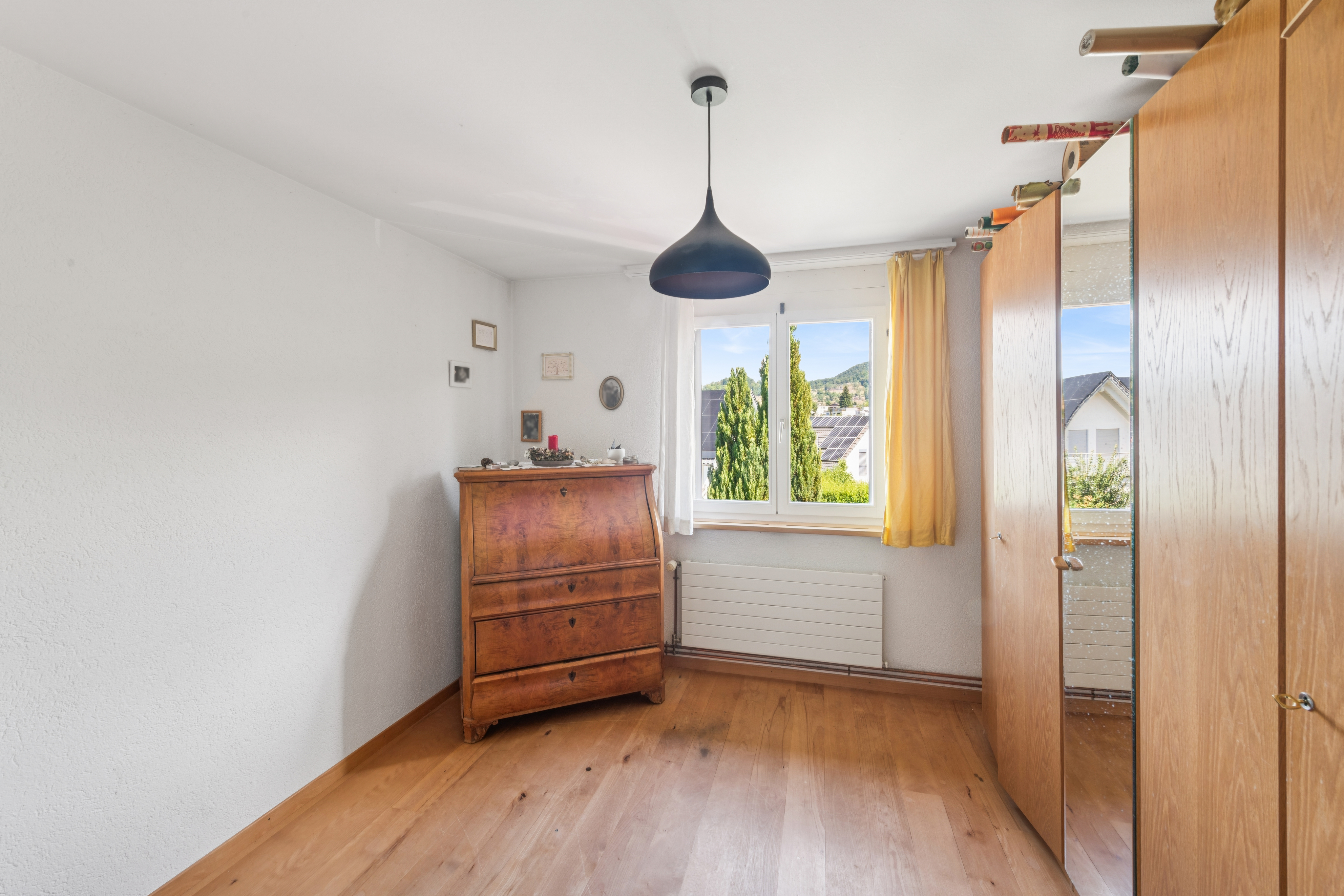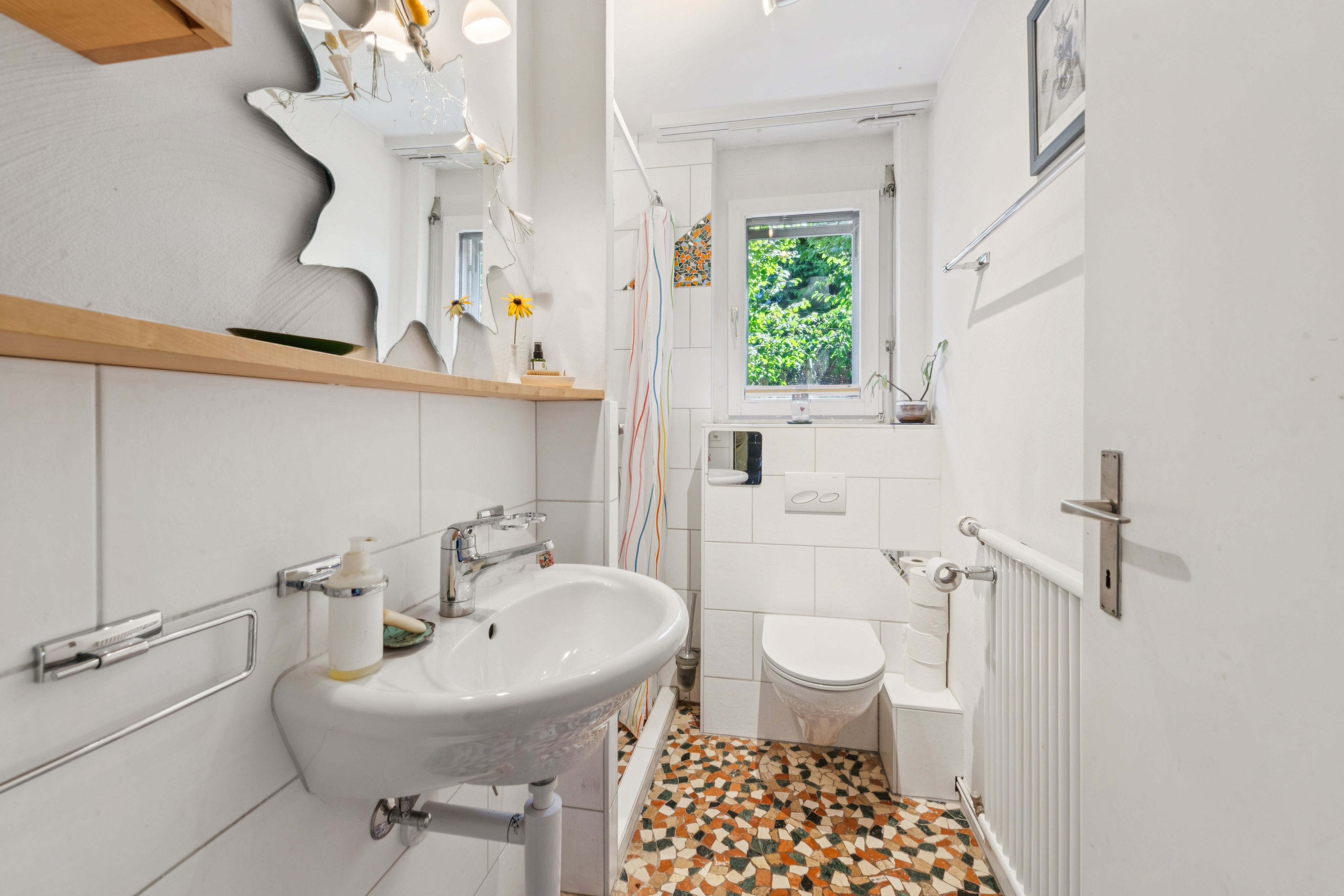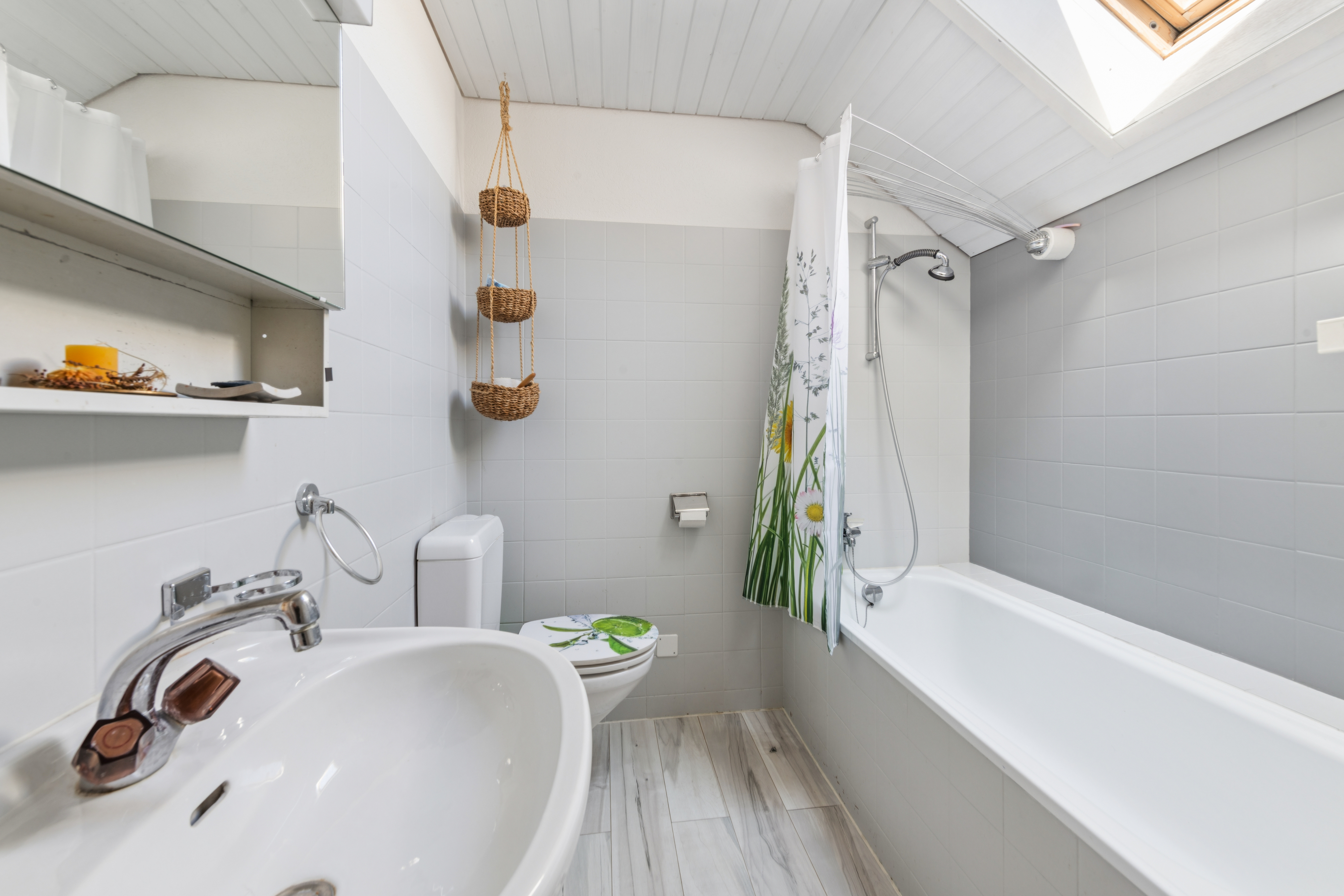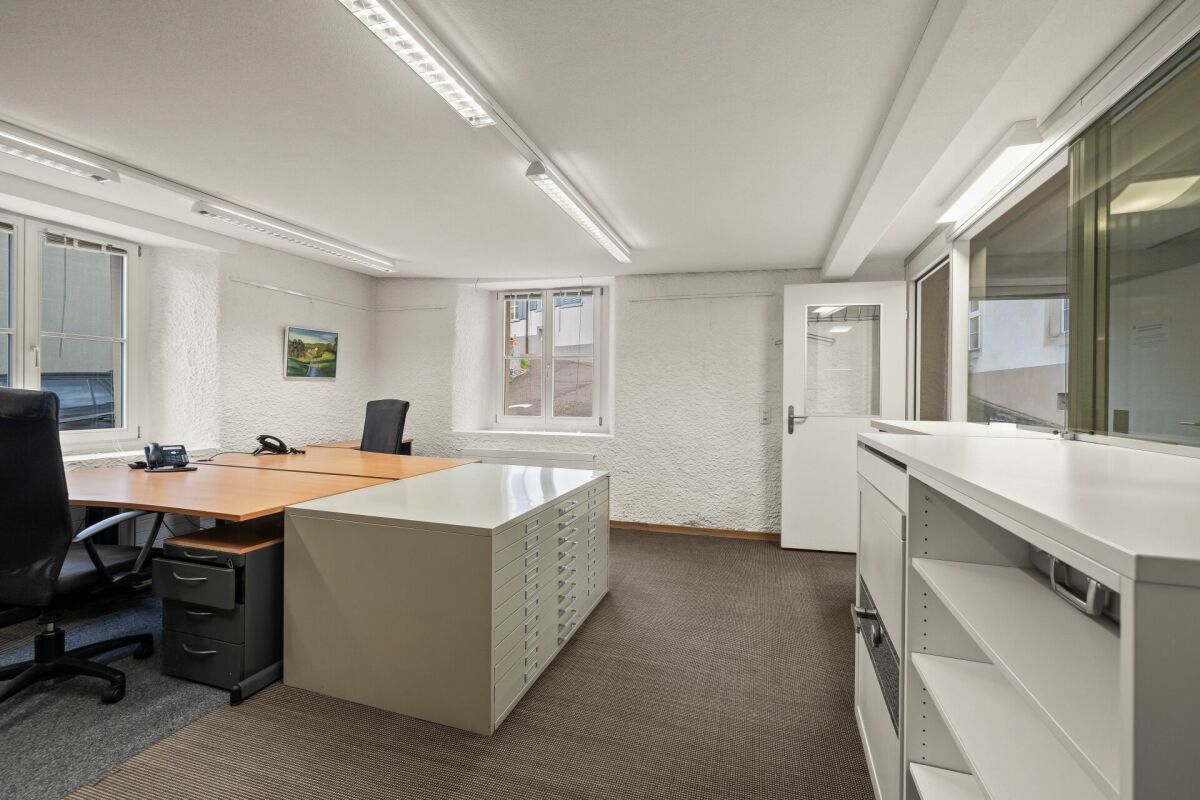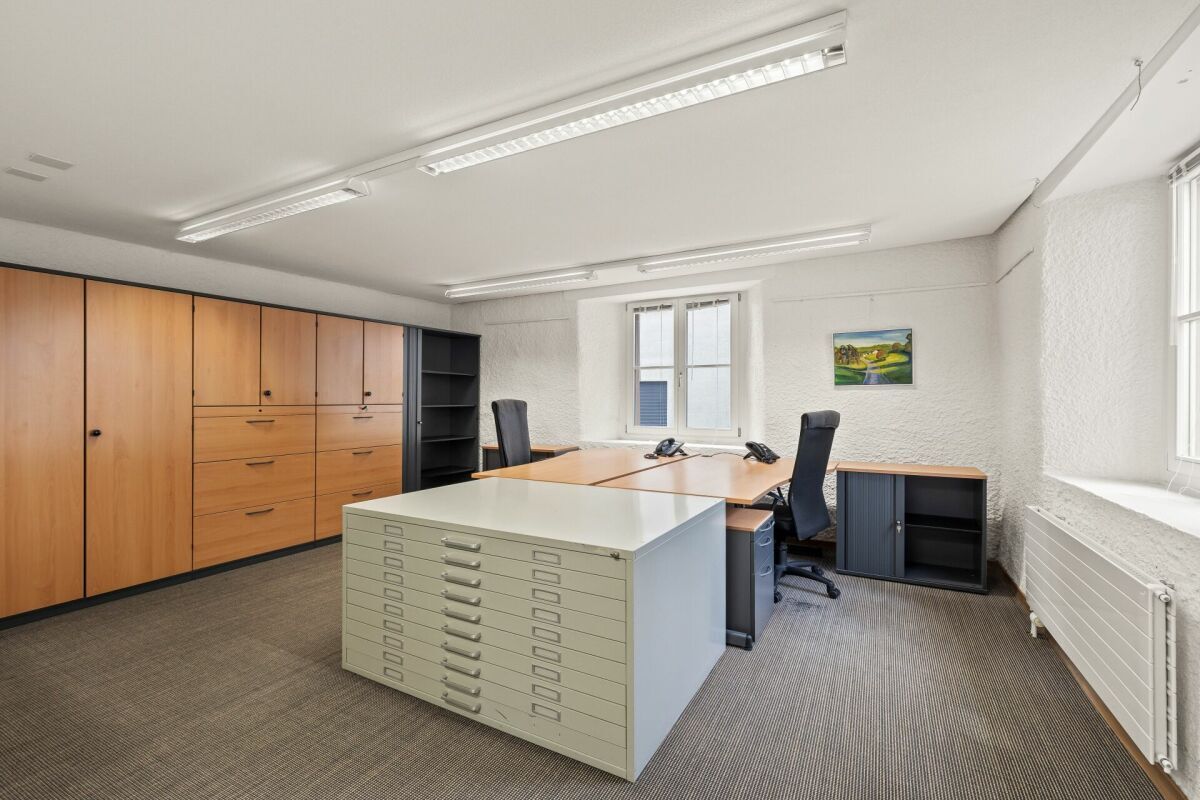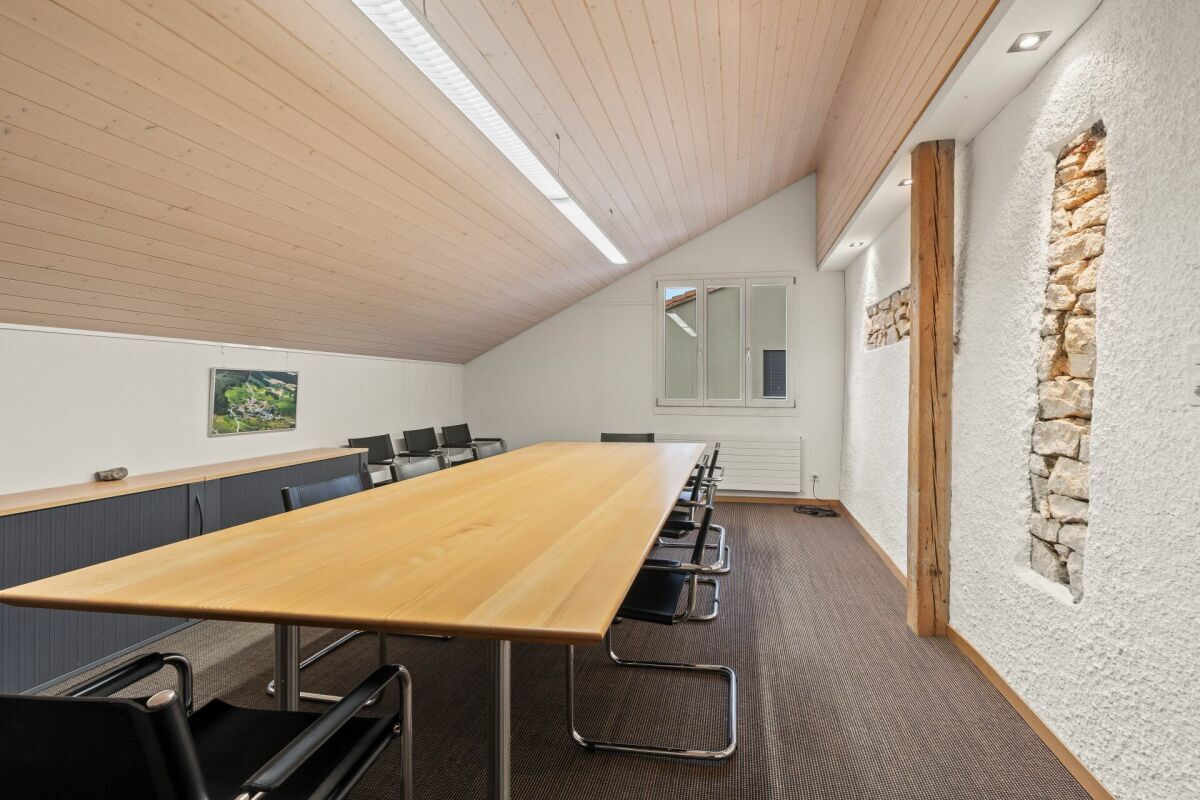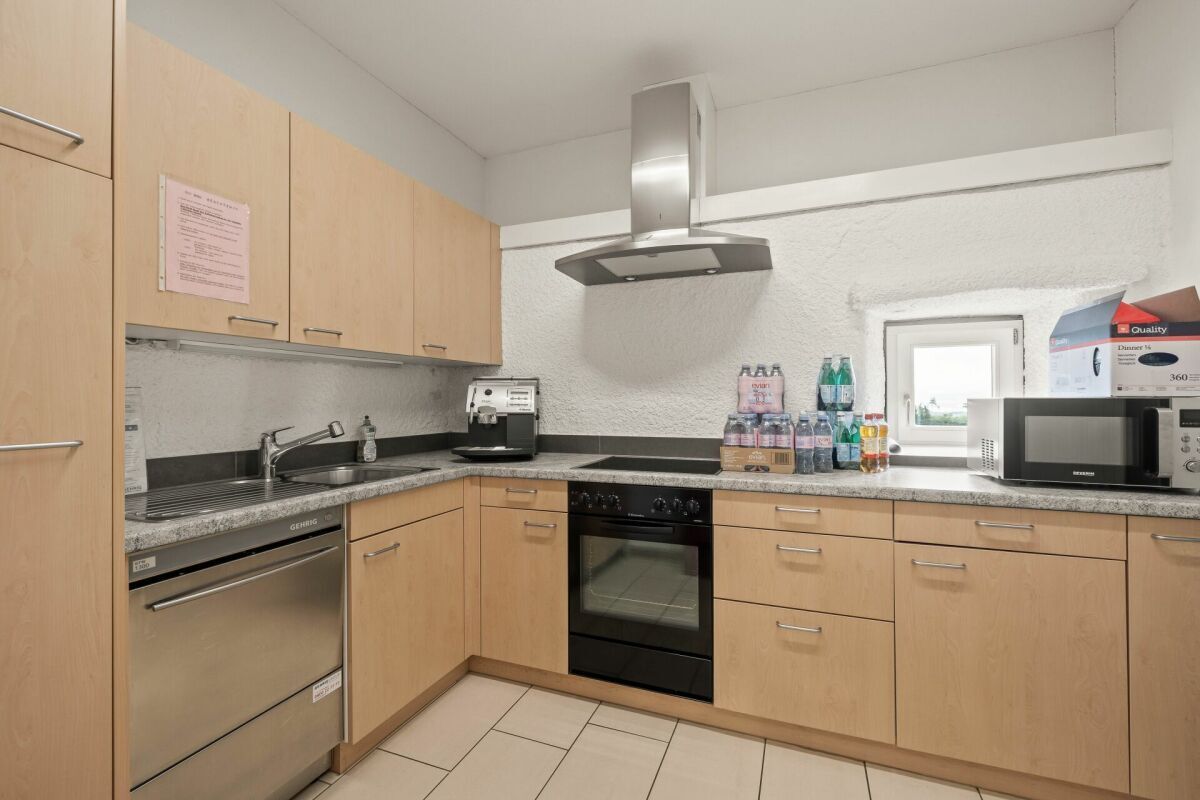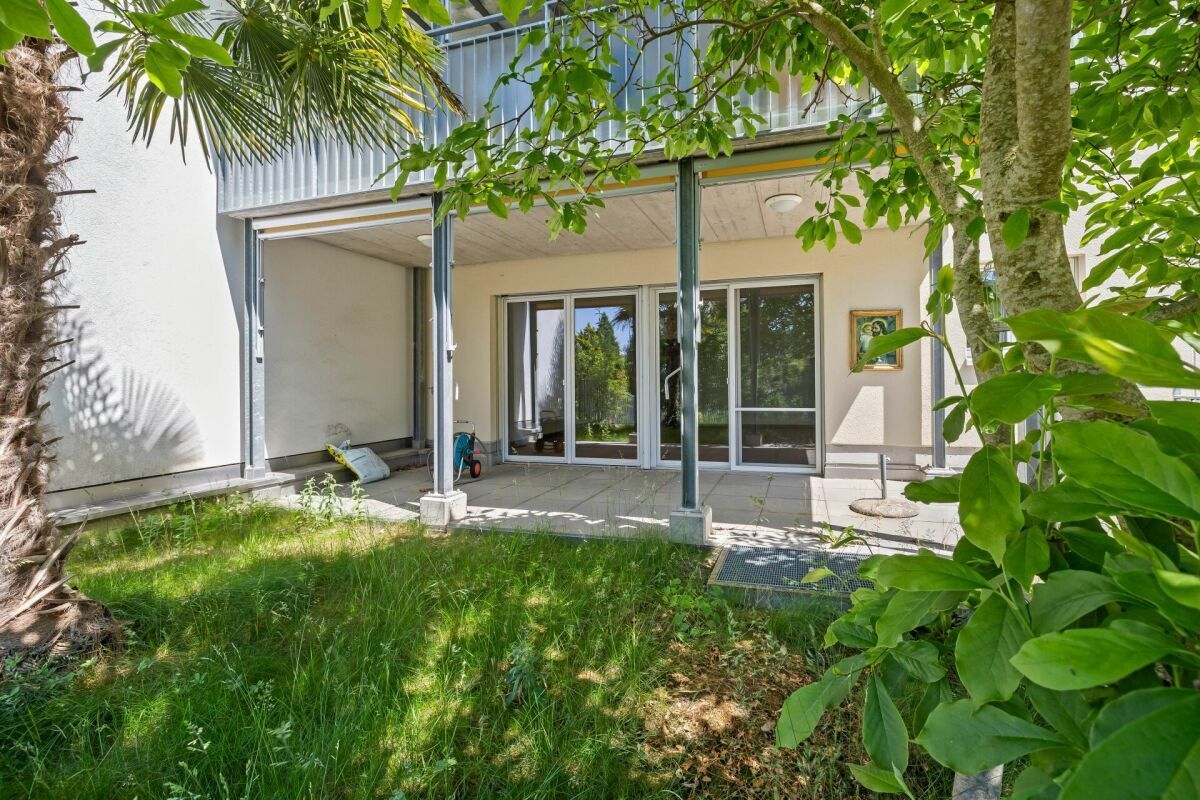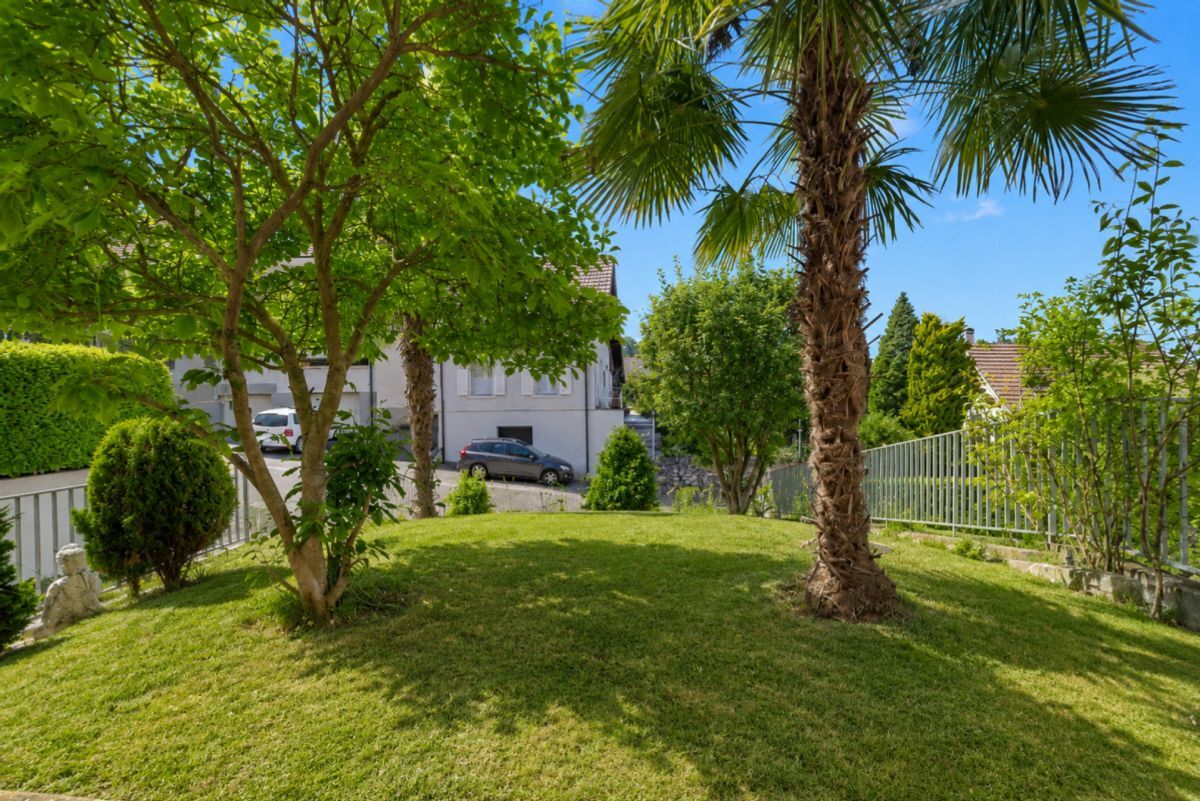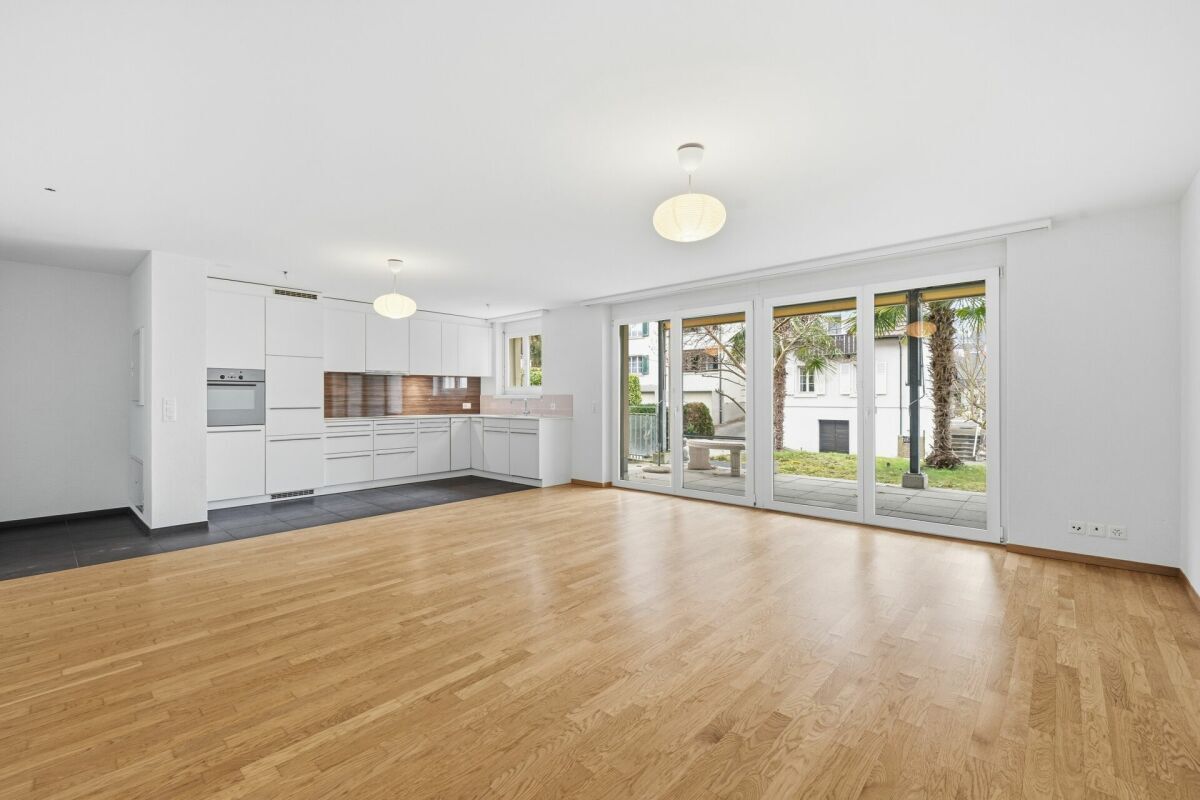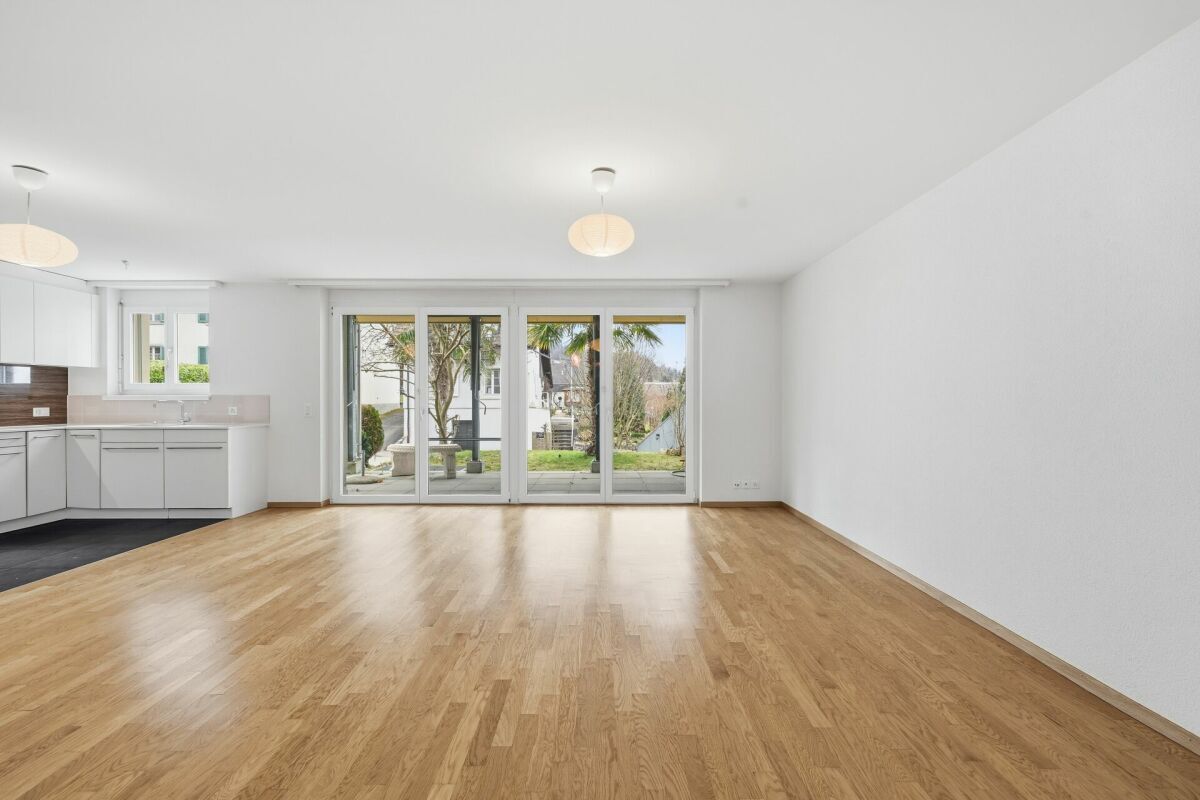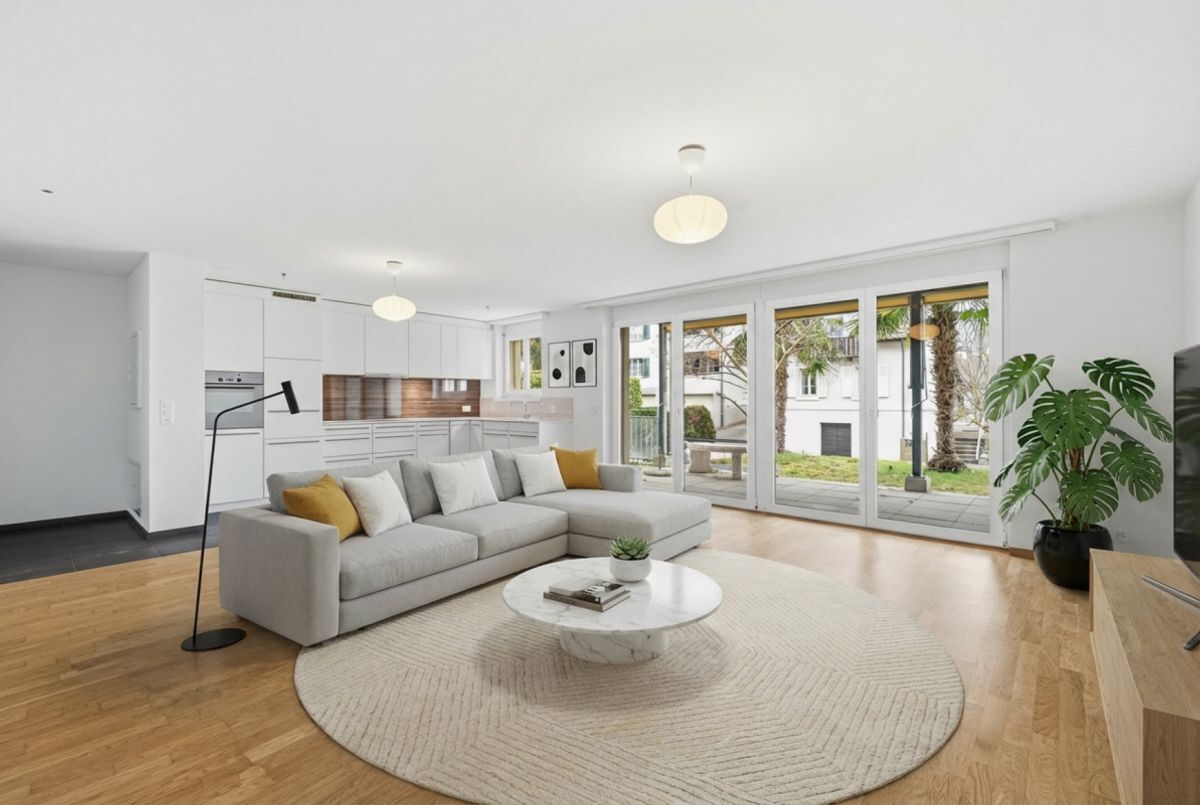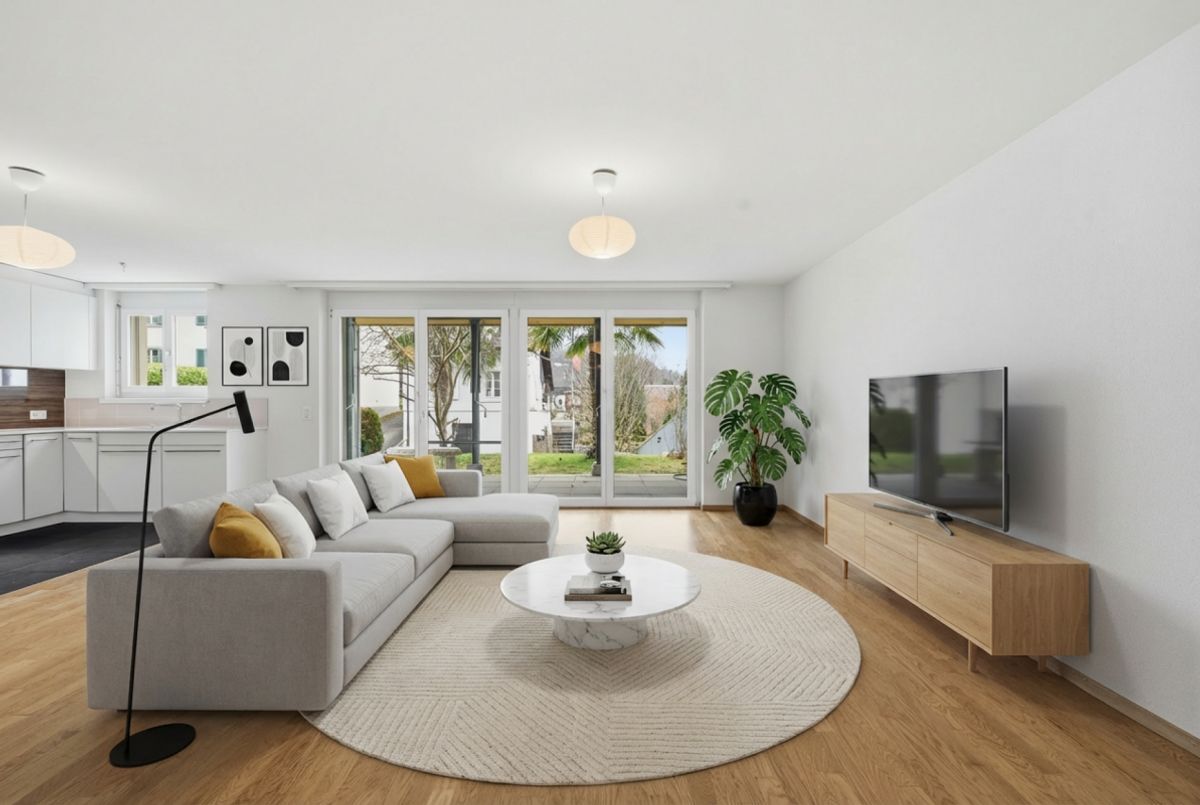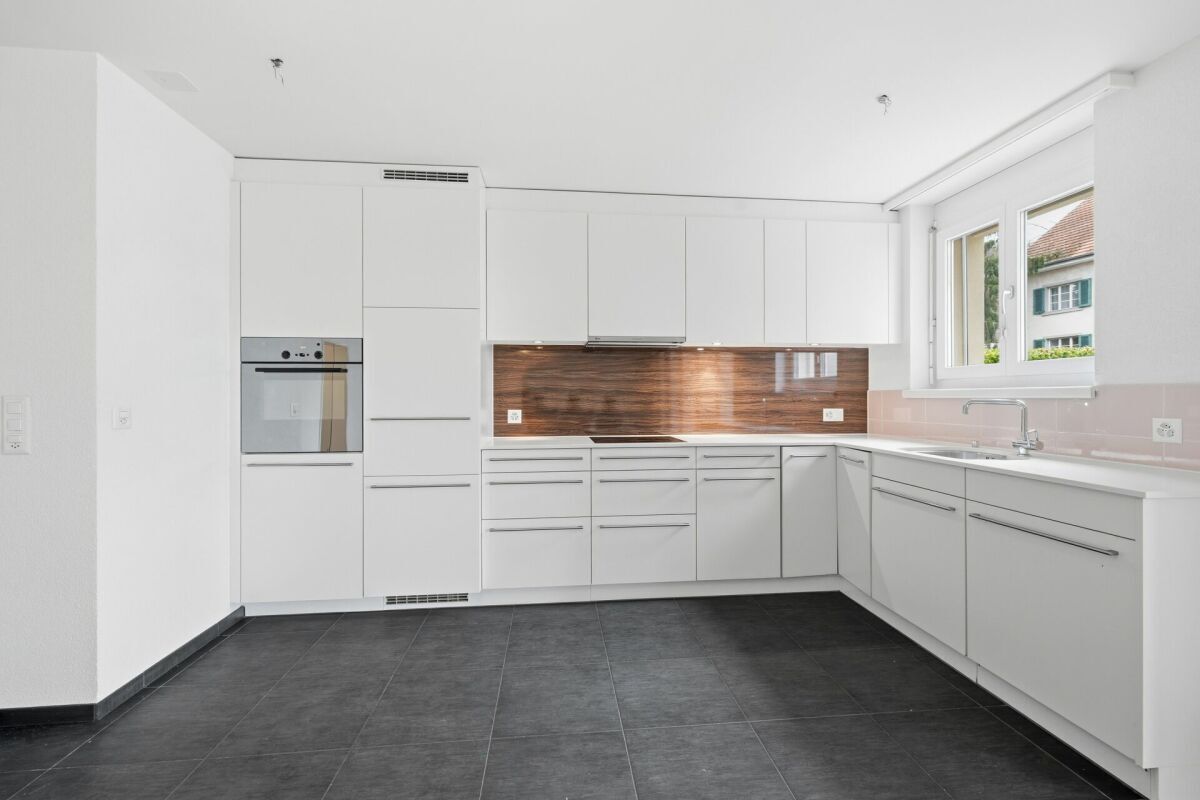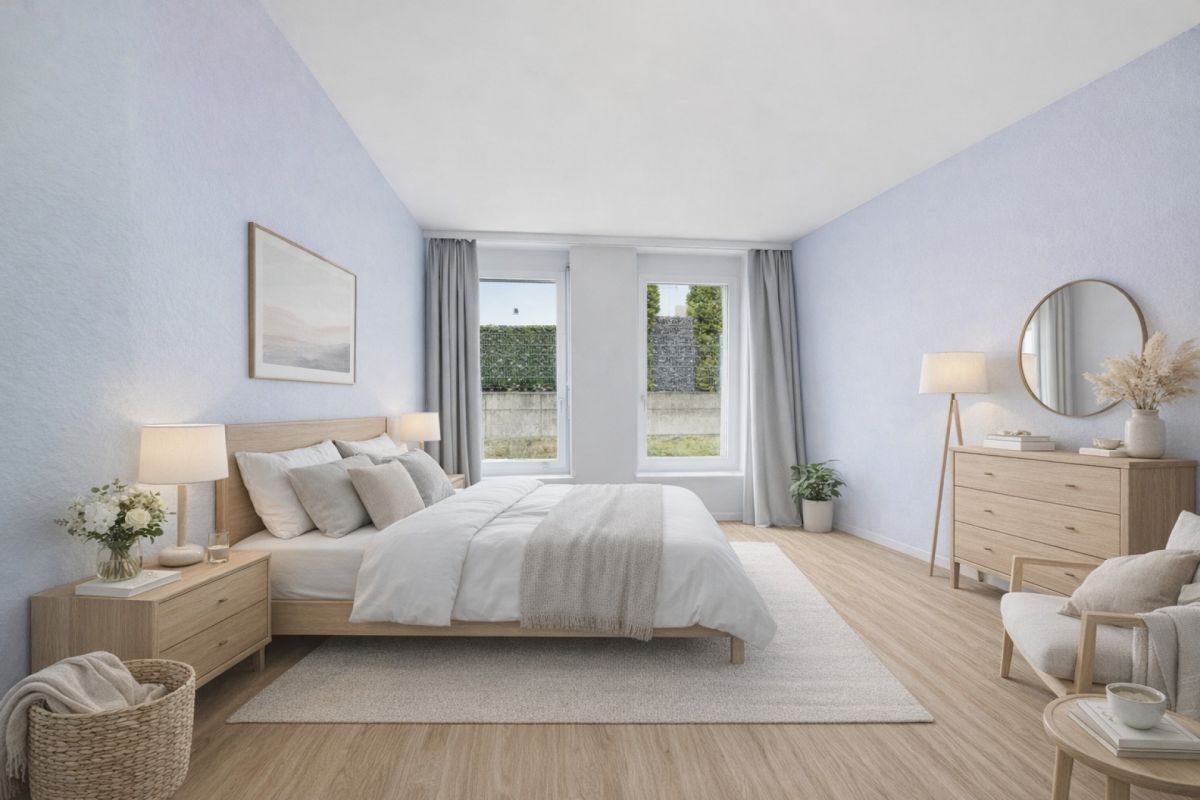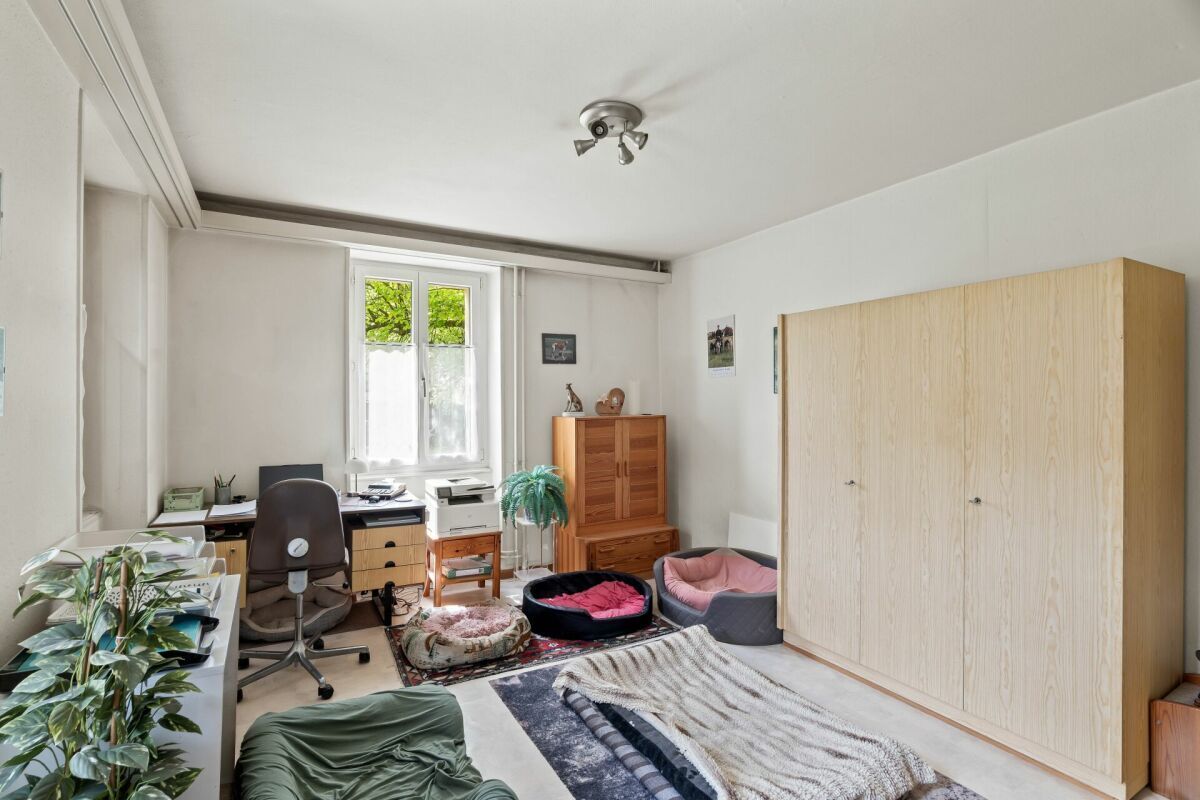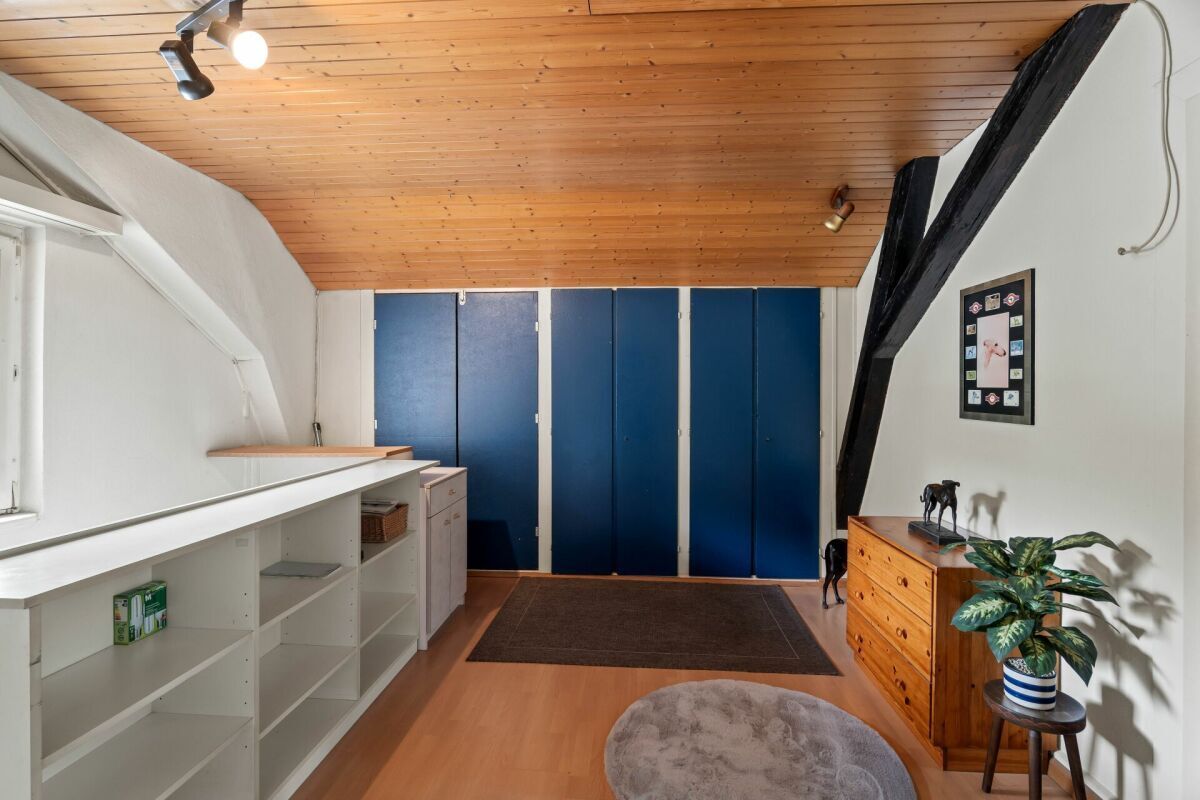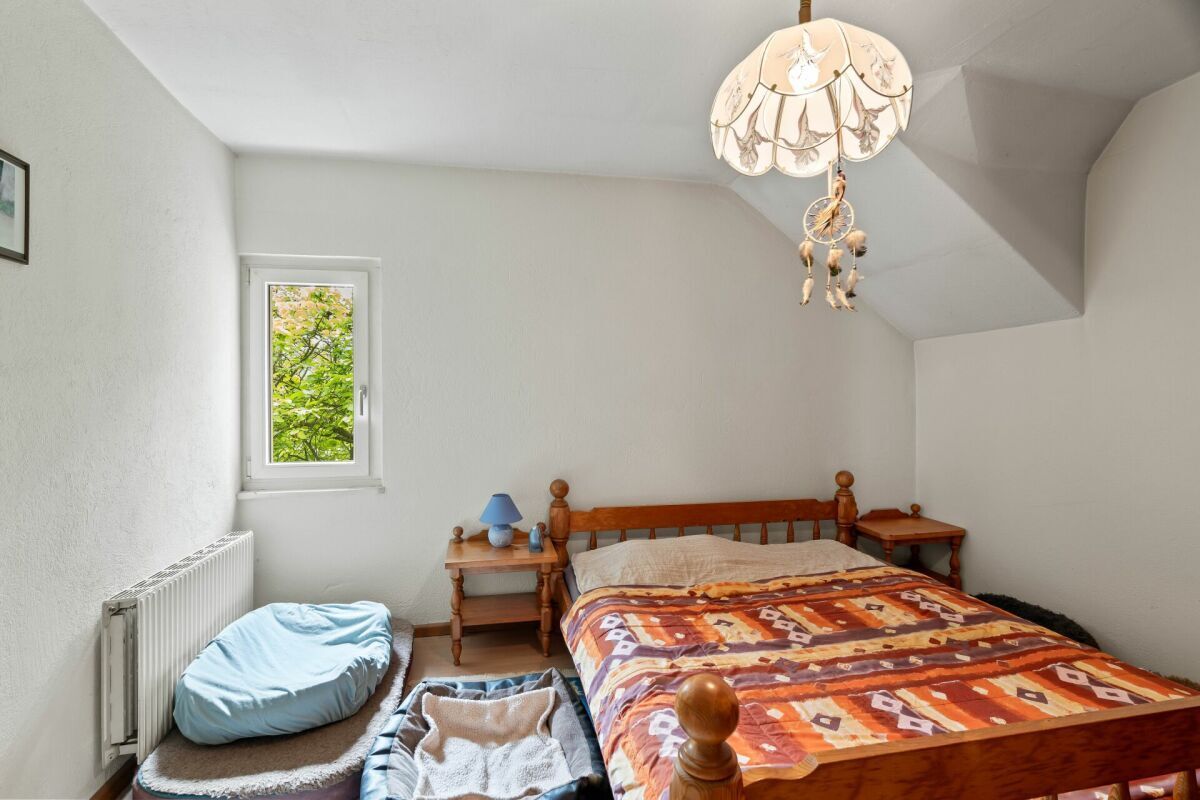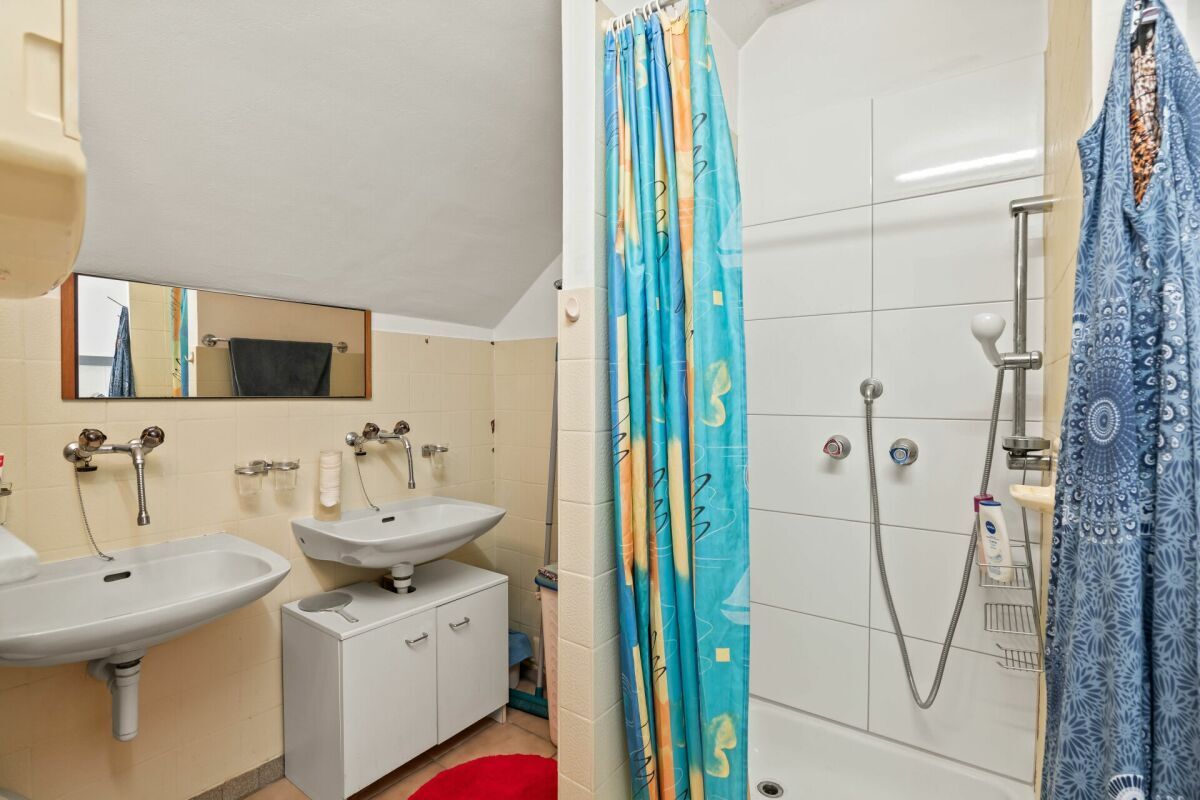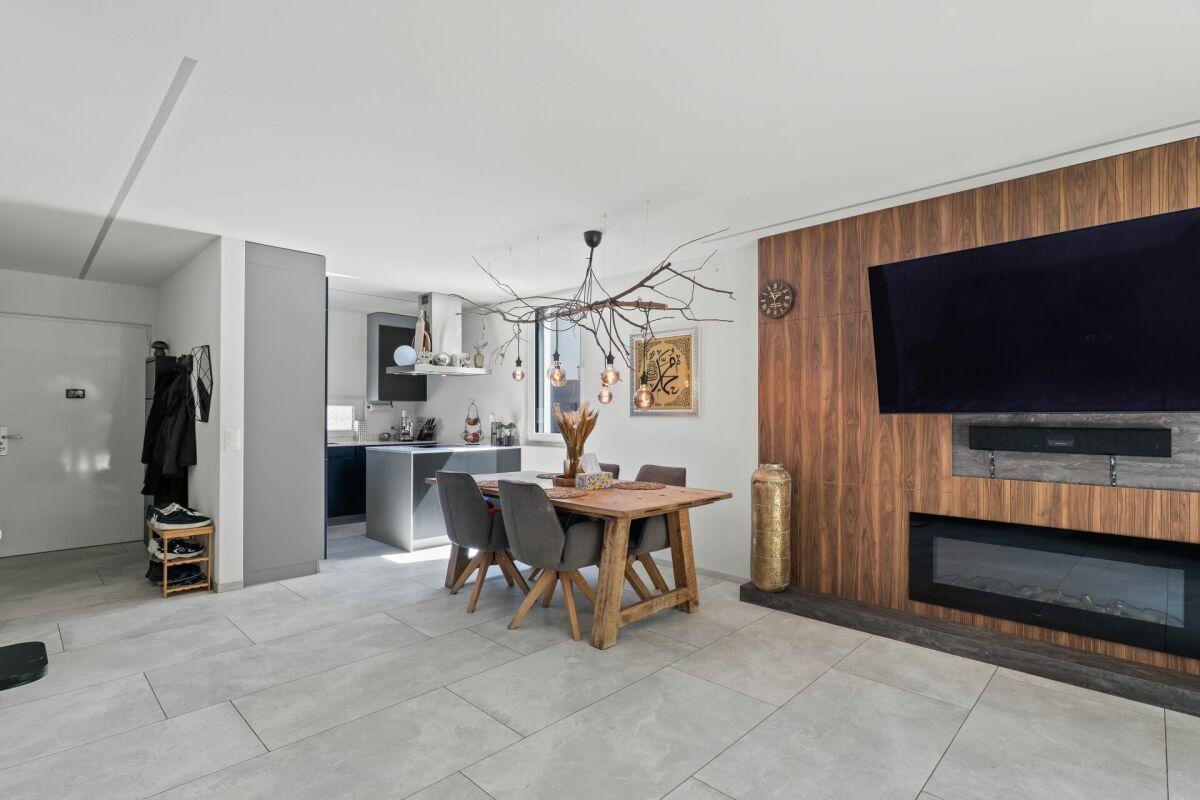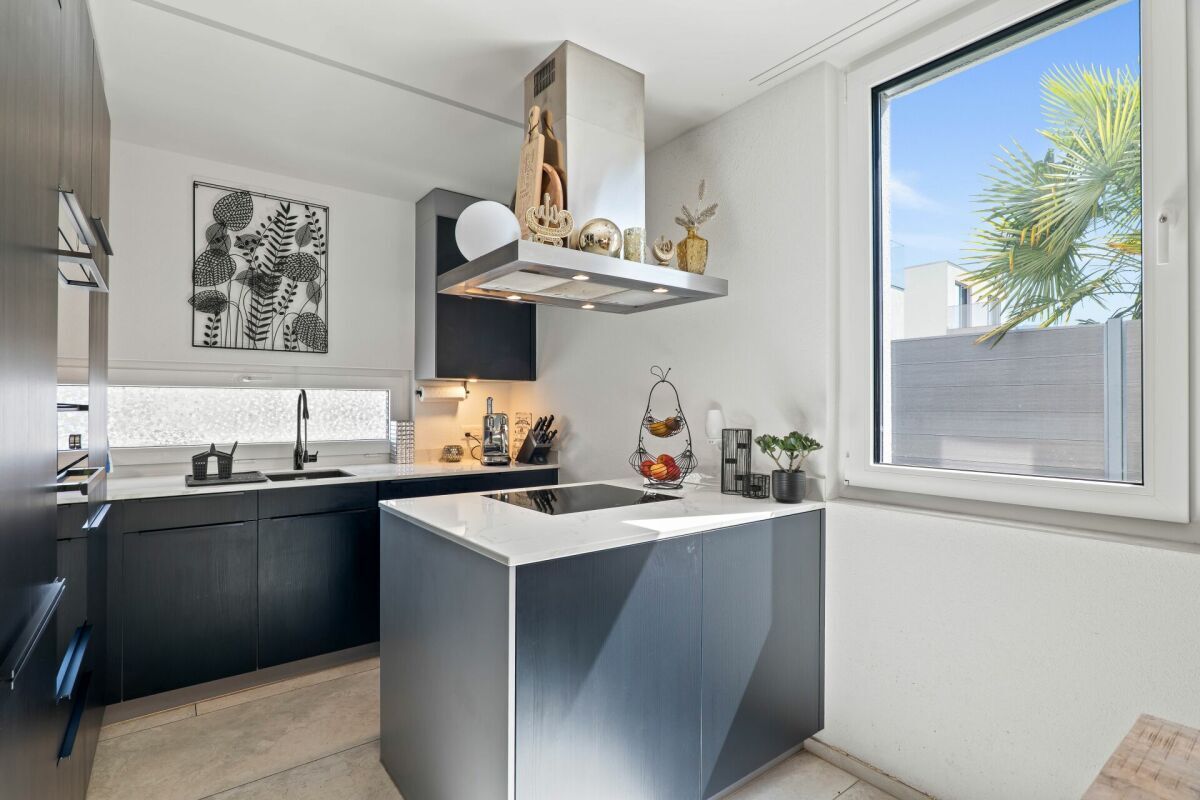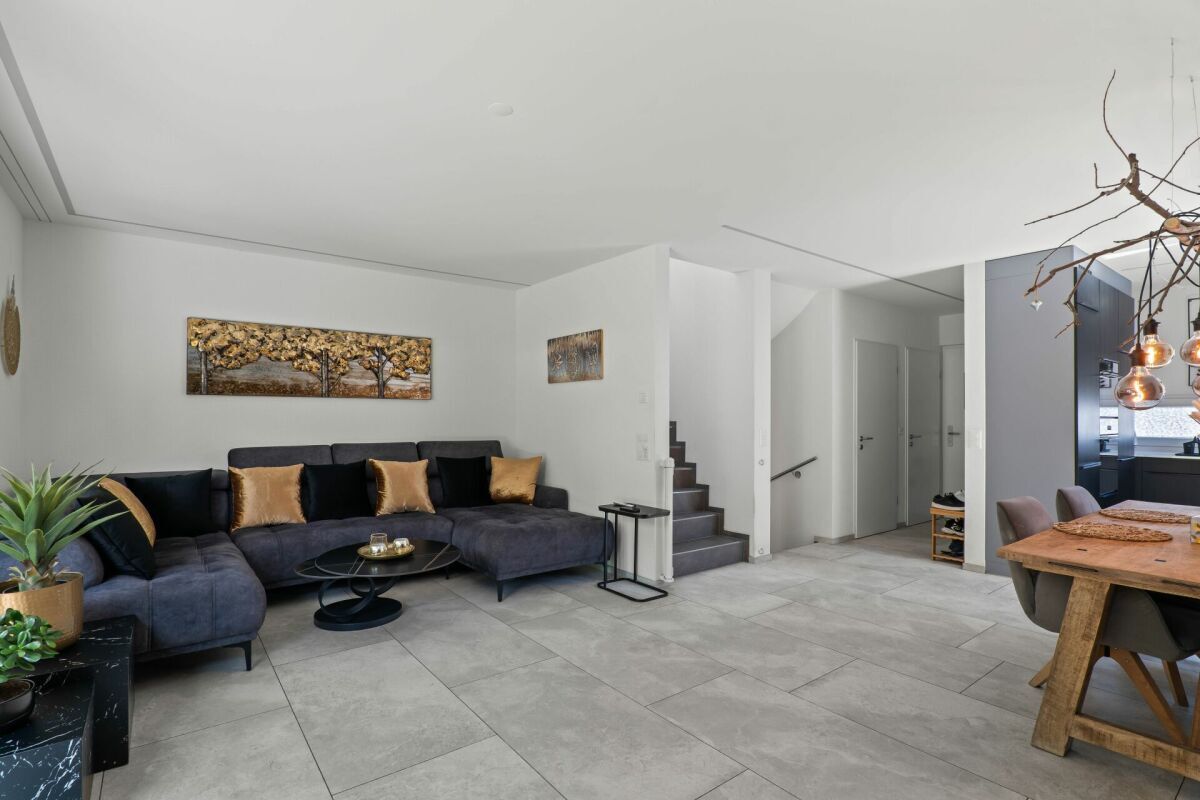
Single family house with 6.5 rooms on sale in Nusshof - 978 m²
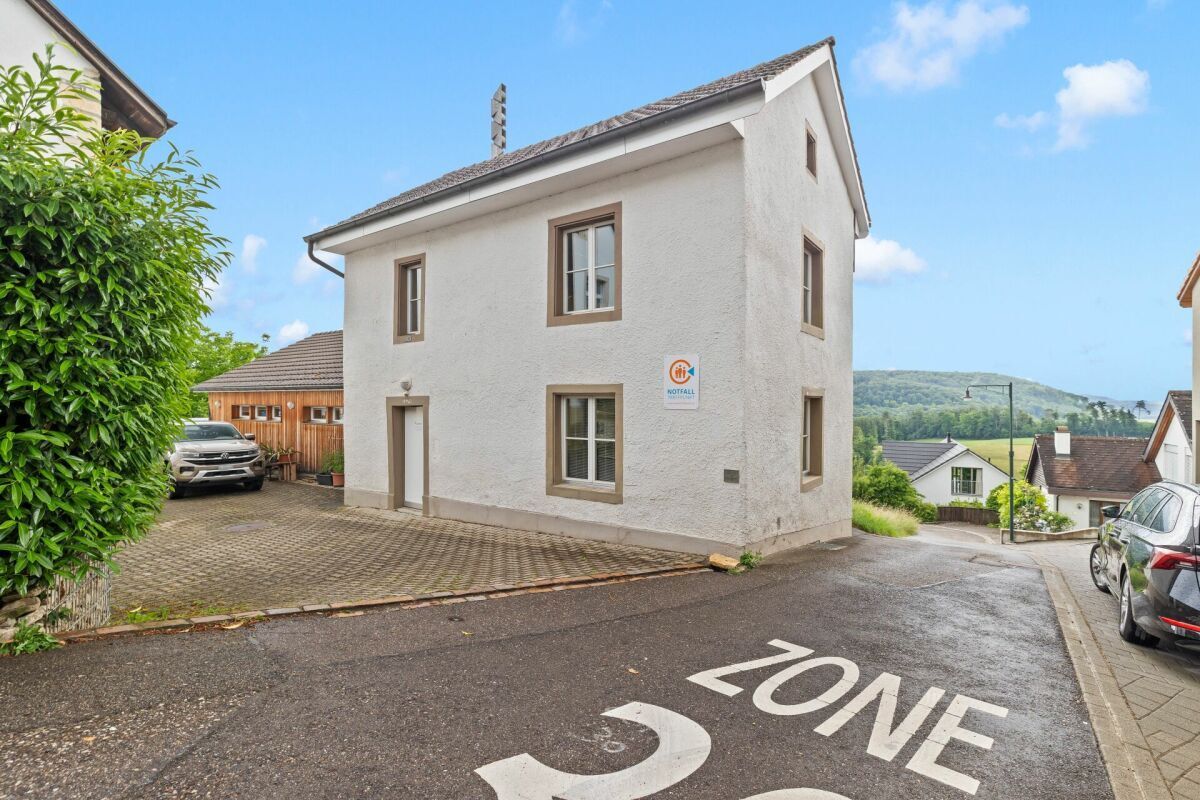
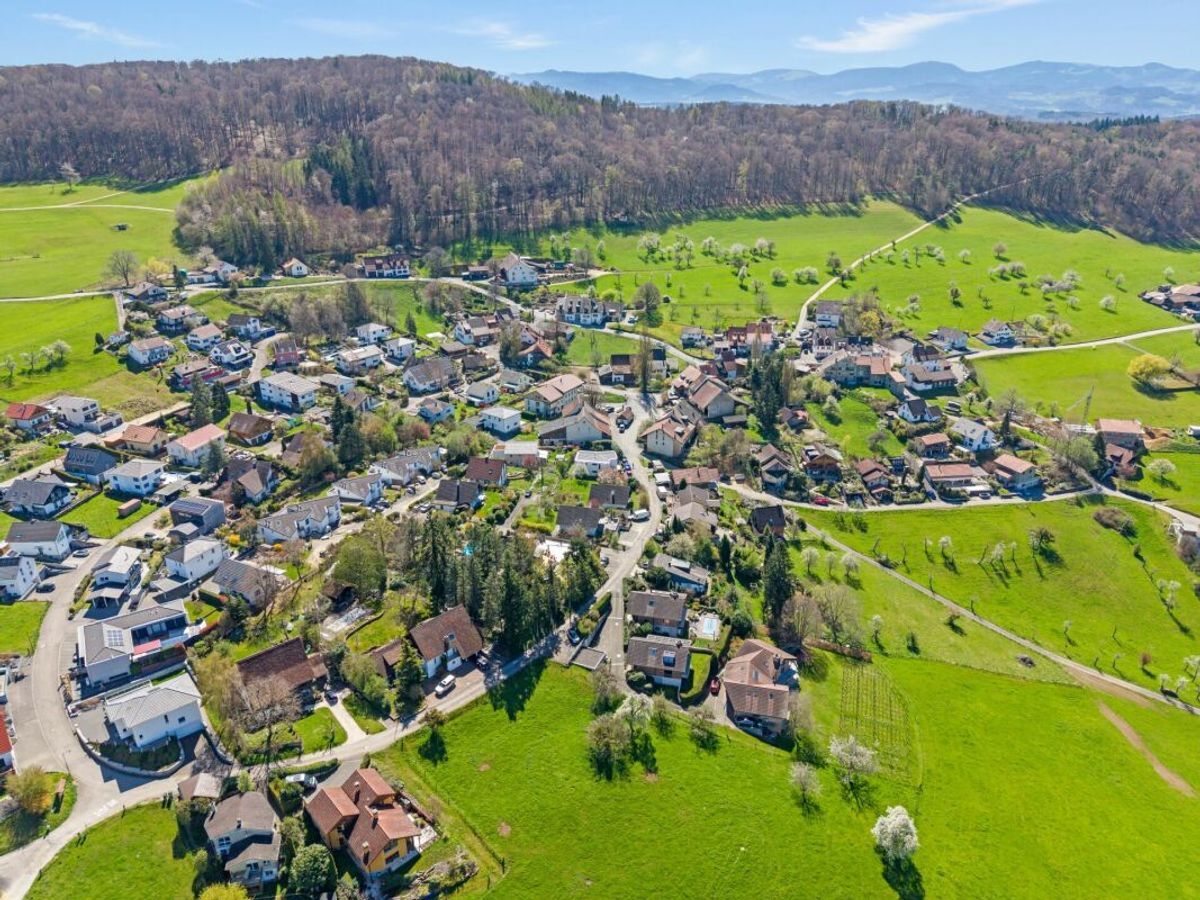
Living in the historical origin of Nusshof
Rooms6.5
Living area140 m²
AvailabilityTo agree
Localisation
Im Dörfli 6, 4453 NusshofCharacteristics
Reference
04255a62-4477-11f1-8fa4-069ae14c7a06
Availability
To agree
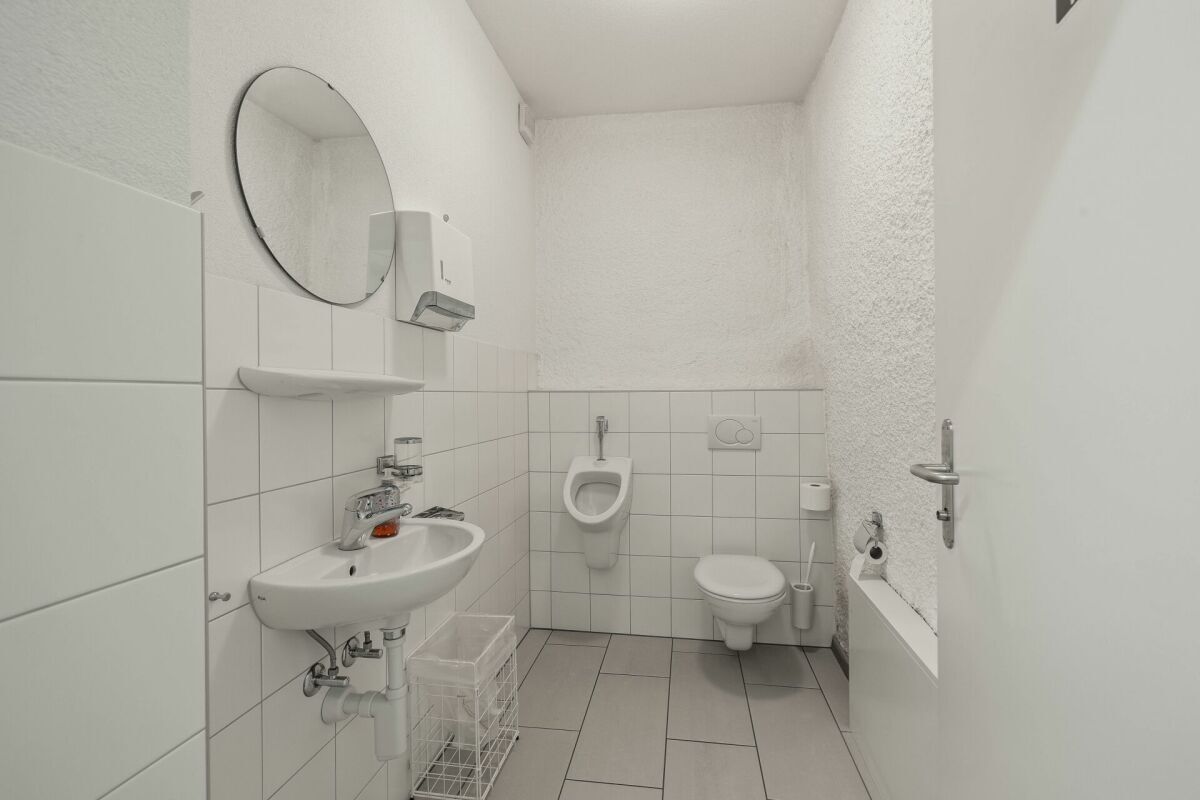
Bathroom
1
Year of construction
1799
Latest renovations
2012
Rooms
6.5
Number of levels for the real asset
6
Ground surface
1,057 m²
Living area
140 m²
Volume
3,408 m³
Useful surface
978 m²
Description
Text translated from german, see original
Original text in german, translate to English.
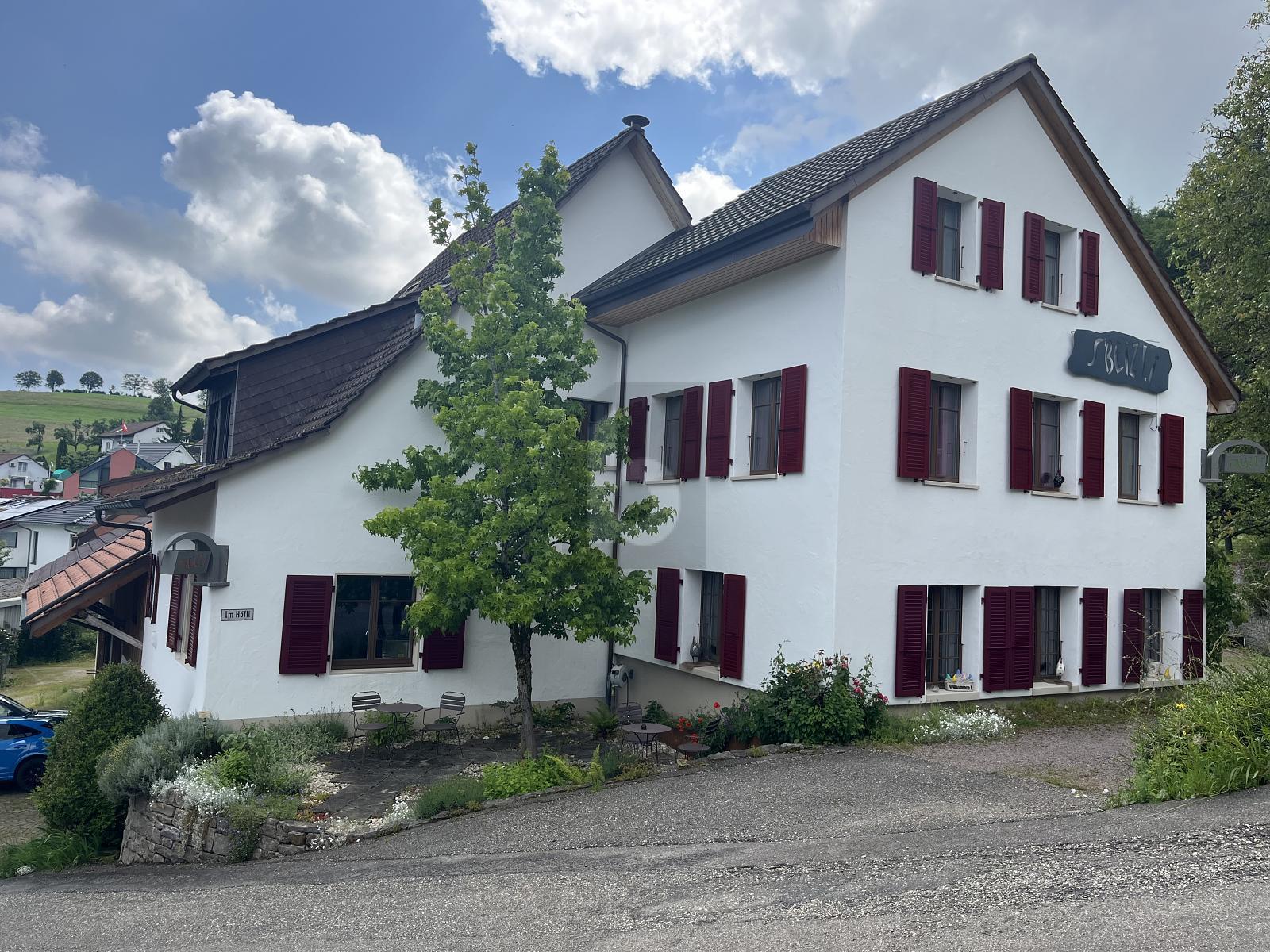
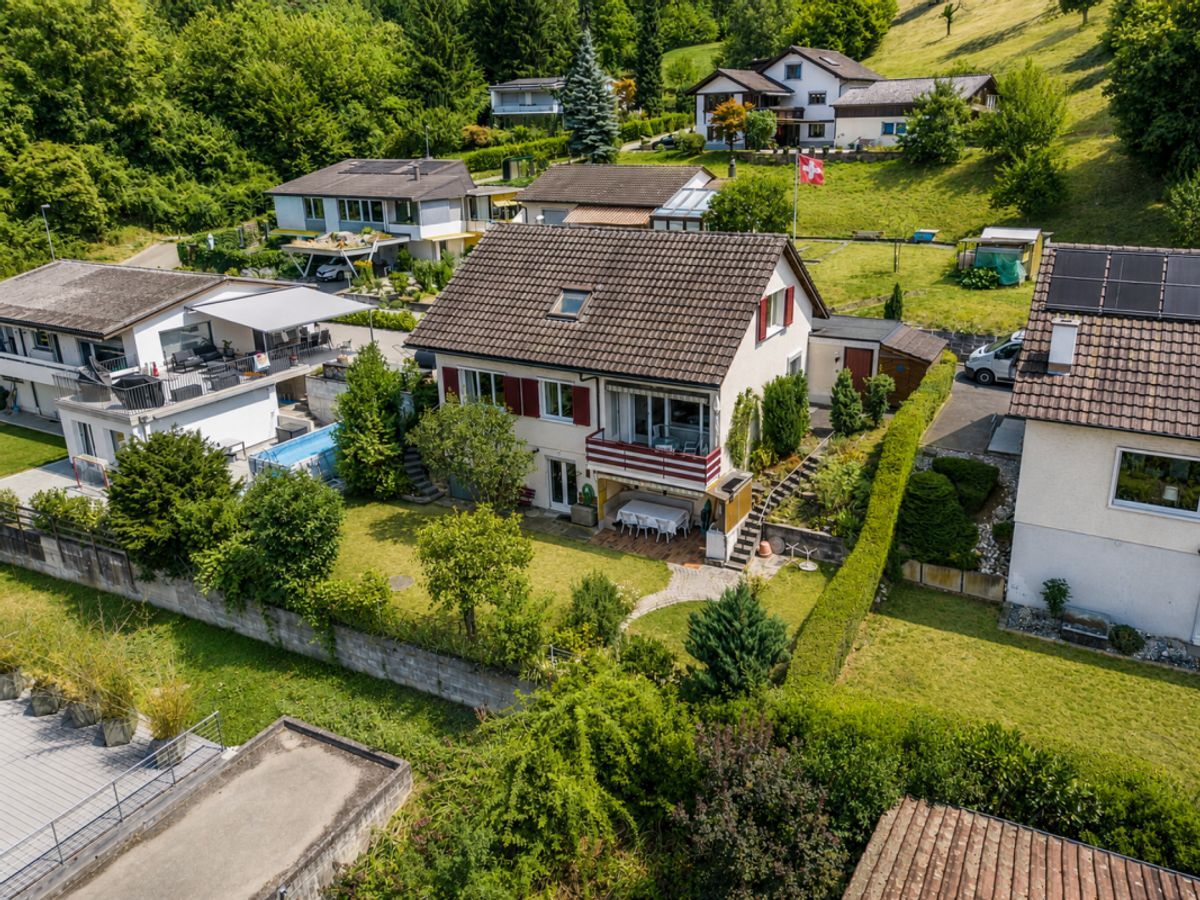
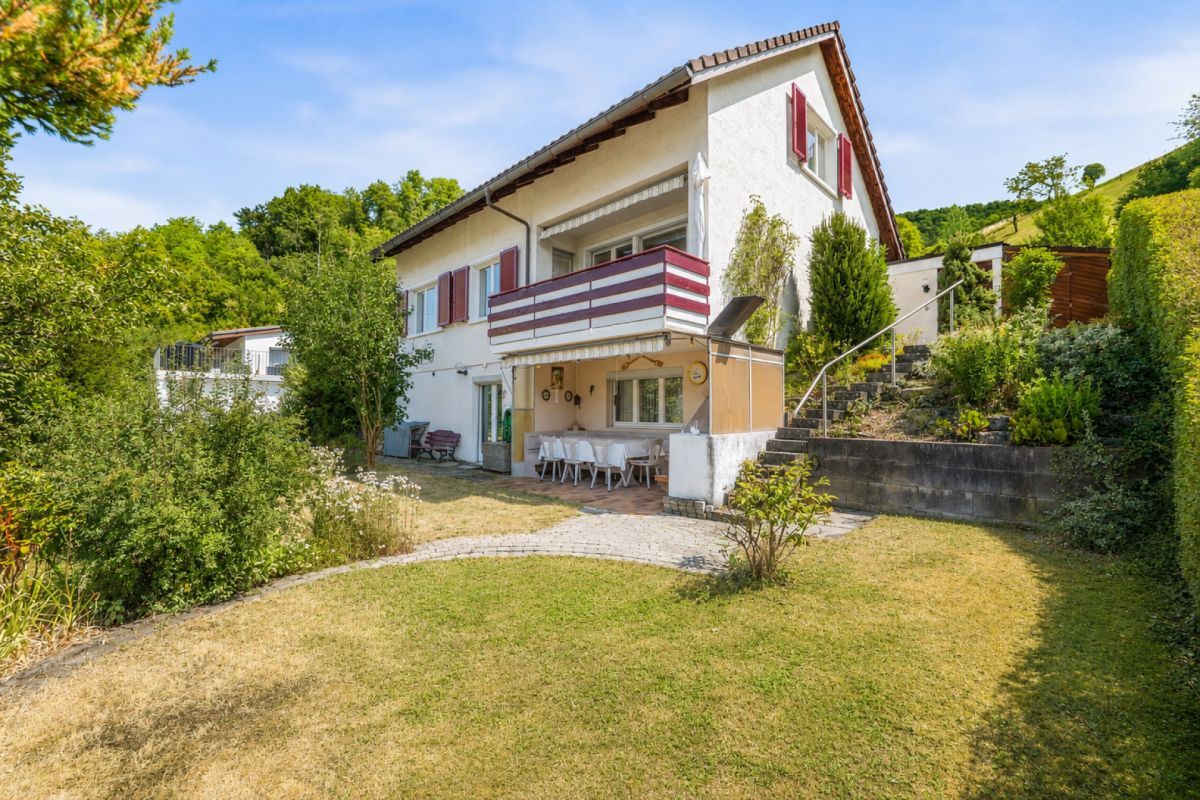
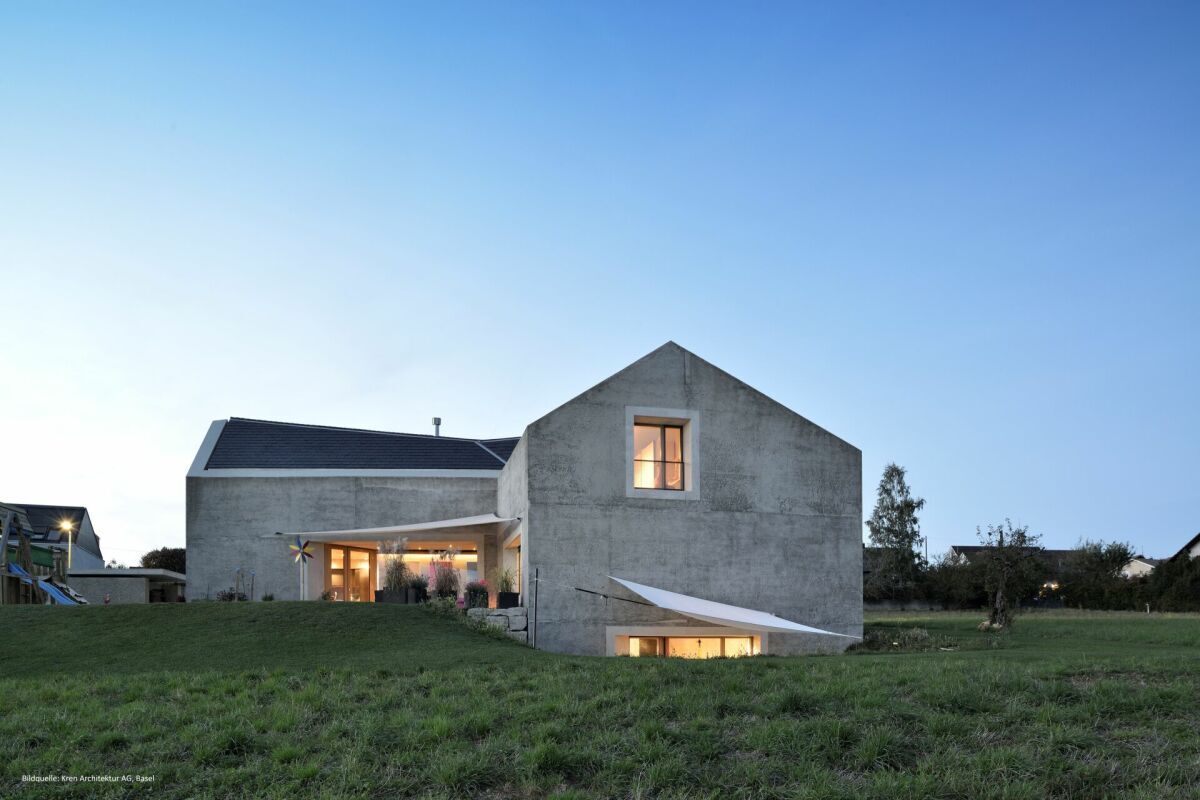
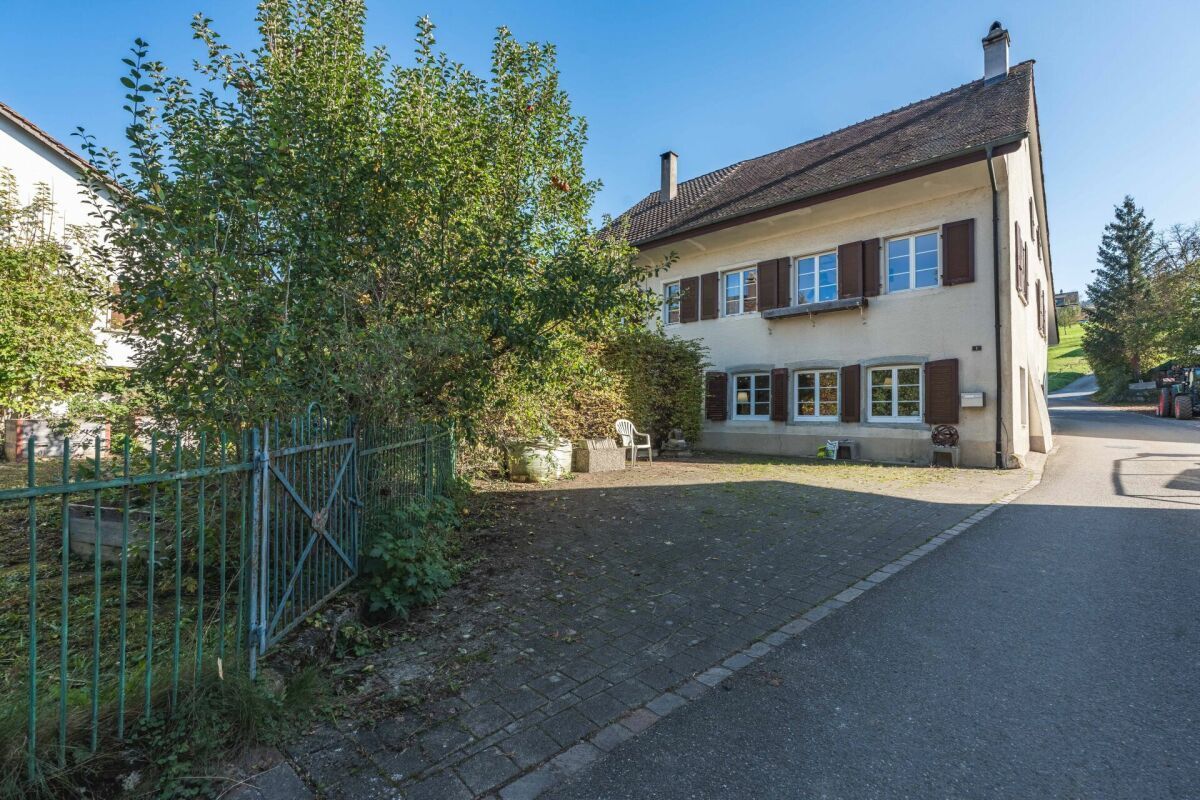
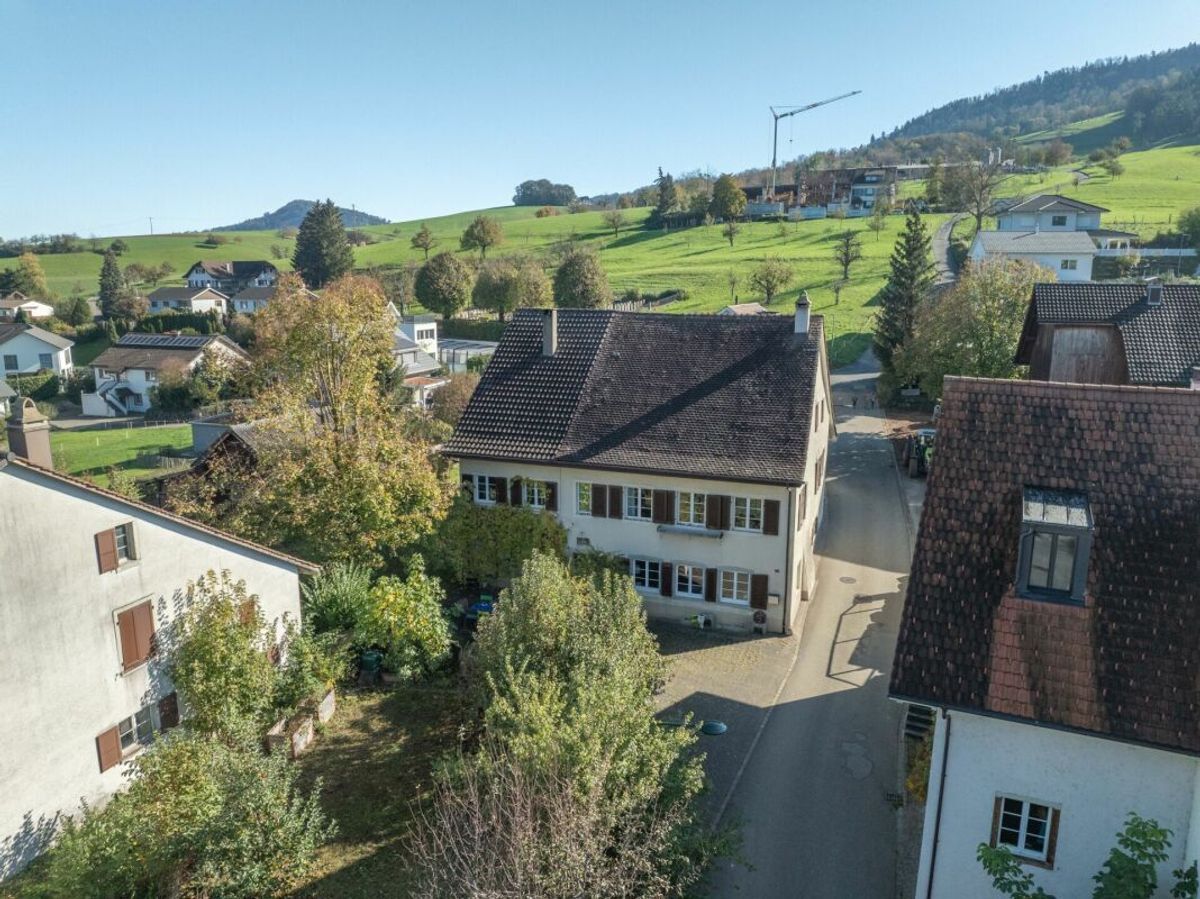
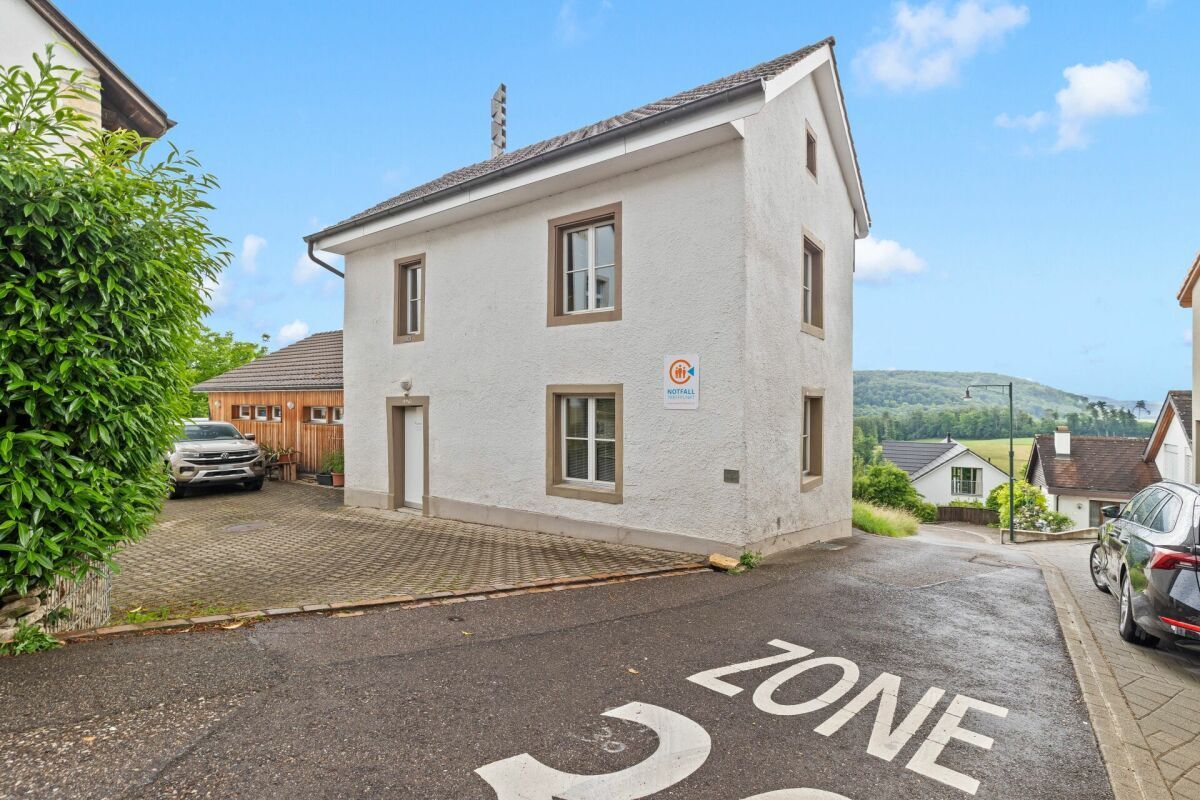
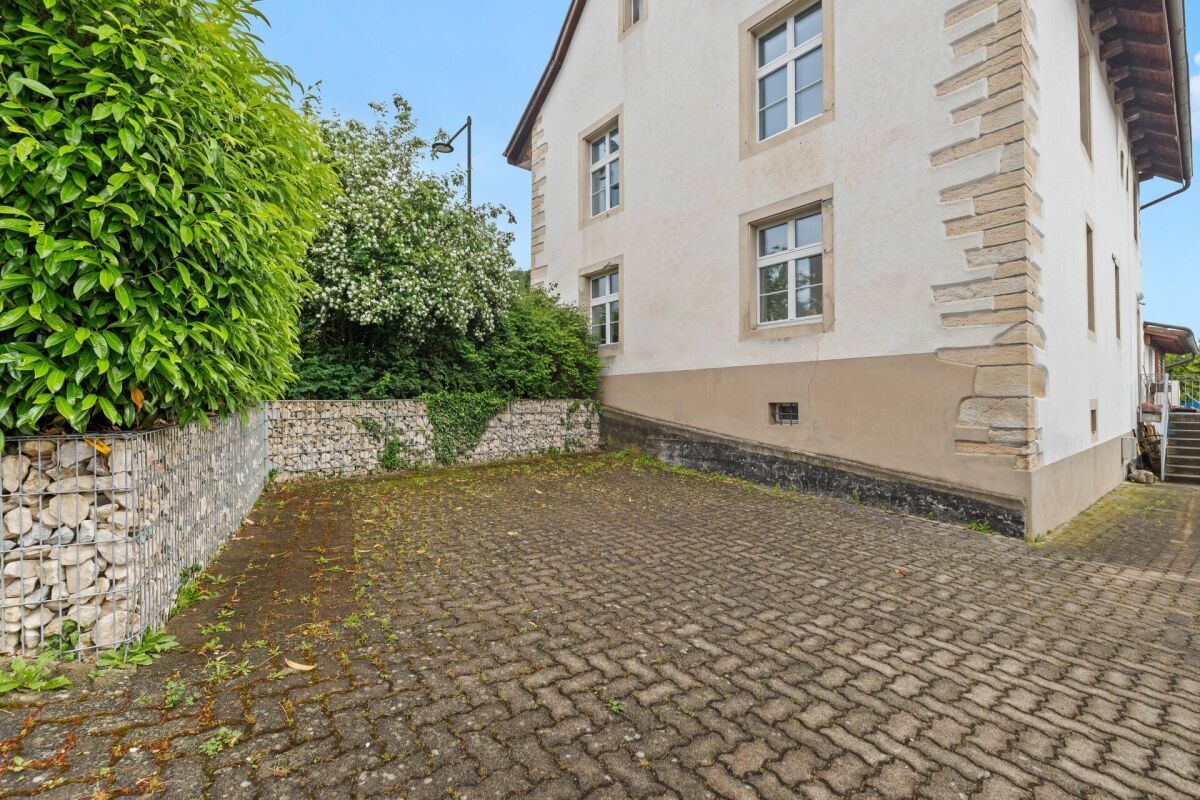
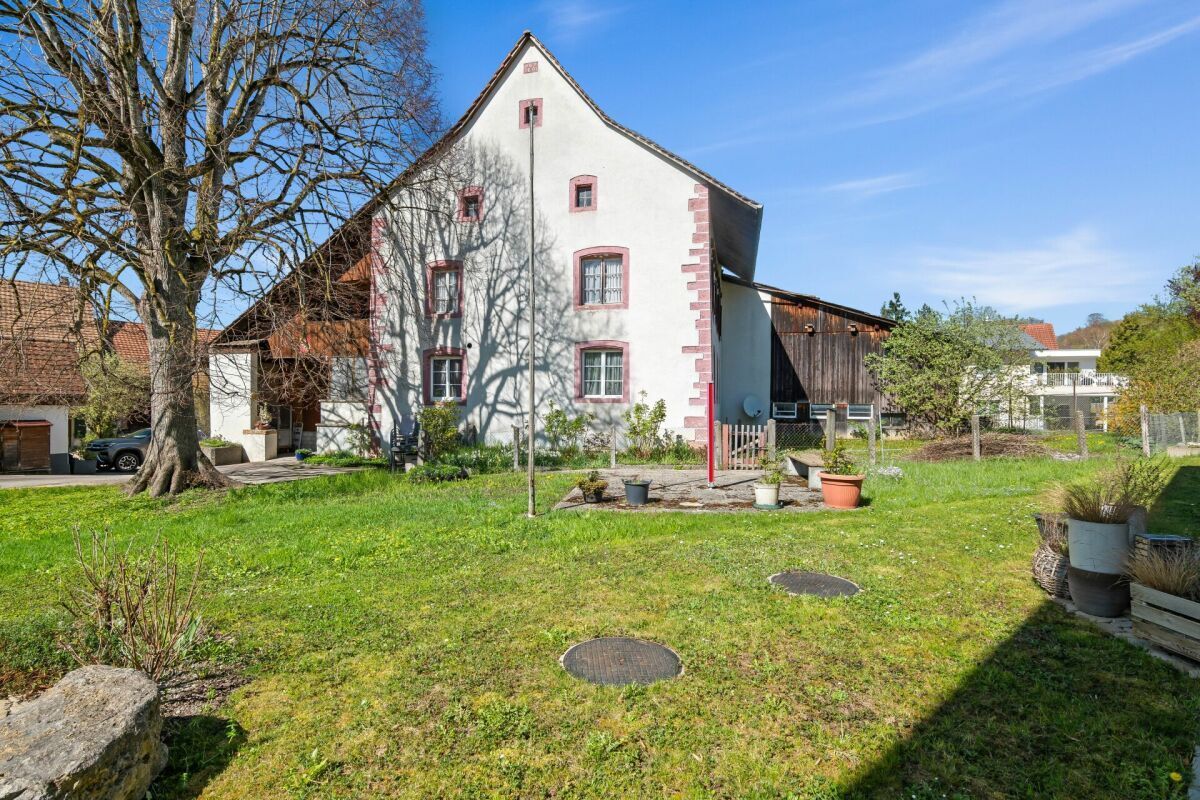
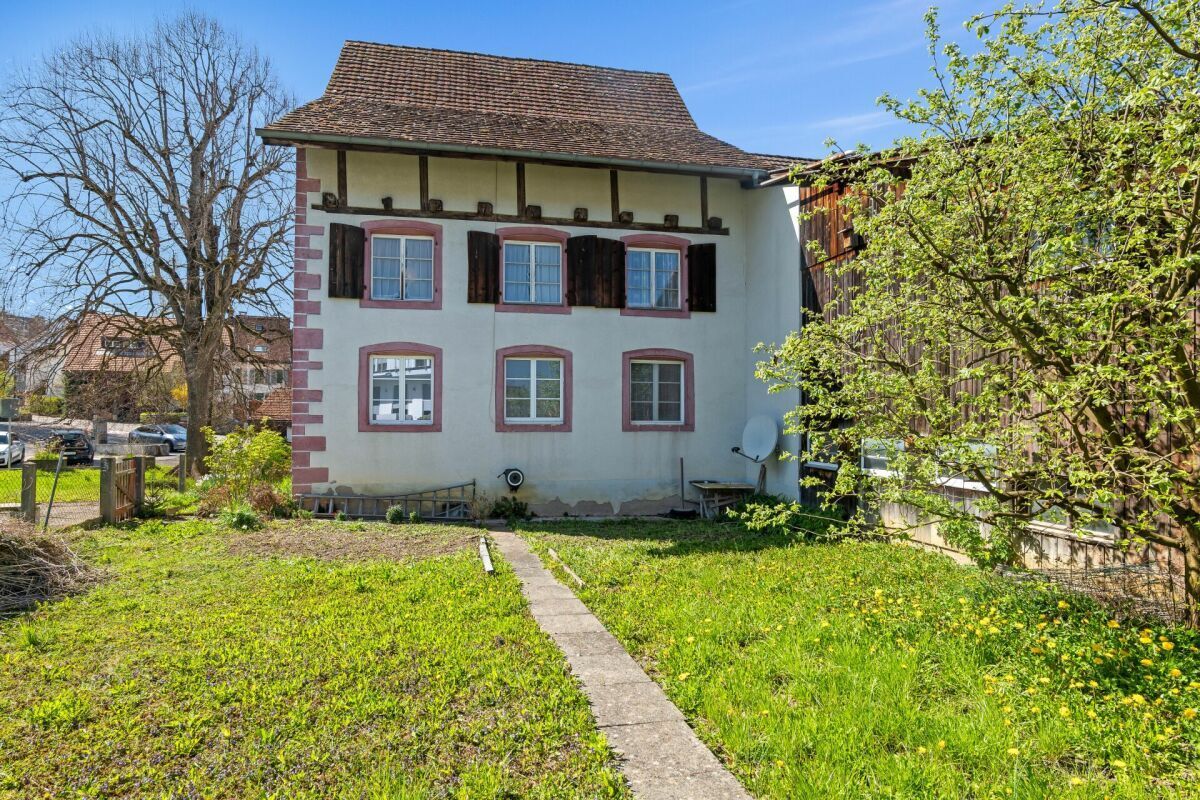
This impressive, historically significant residential and agricultural building from the late 18th century (1799/1802) is located
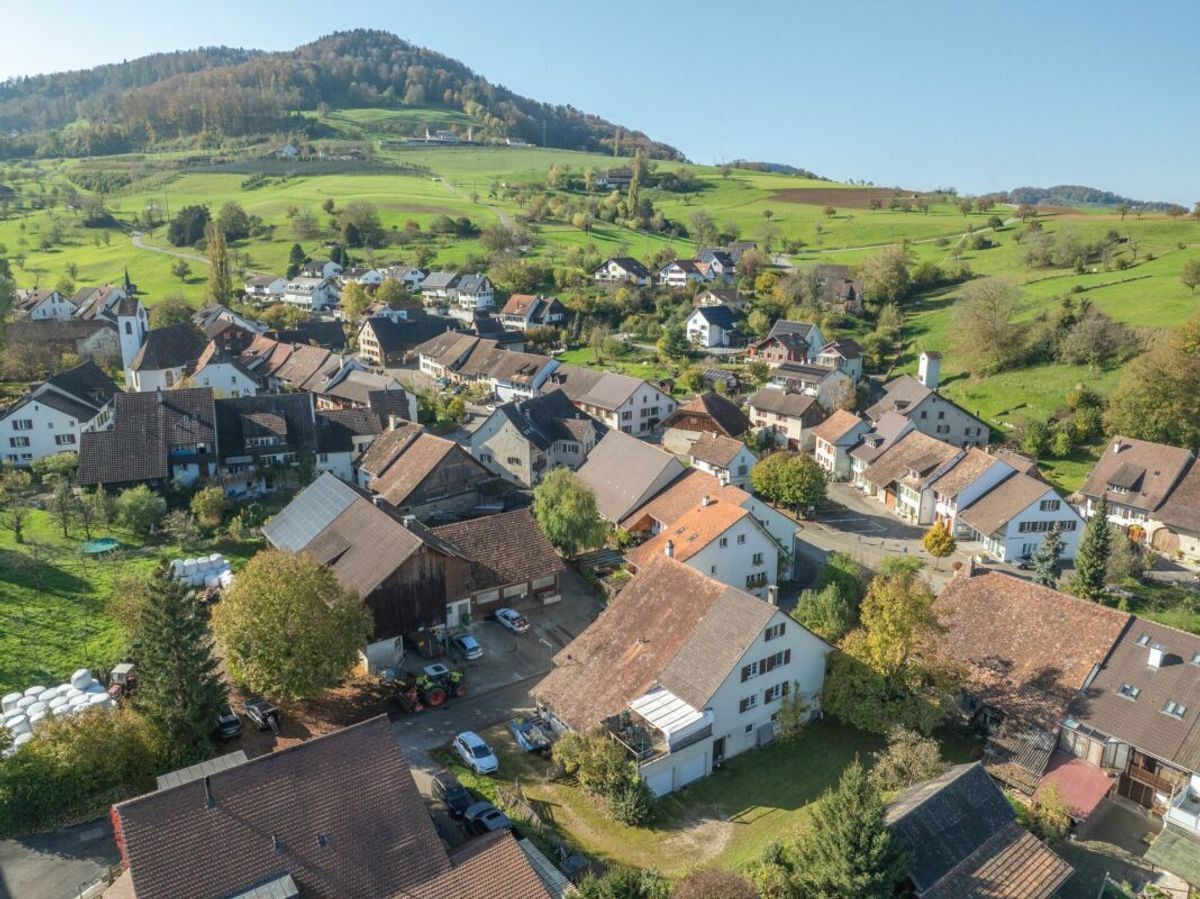
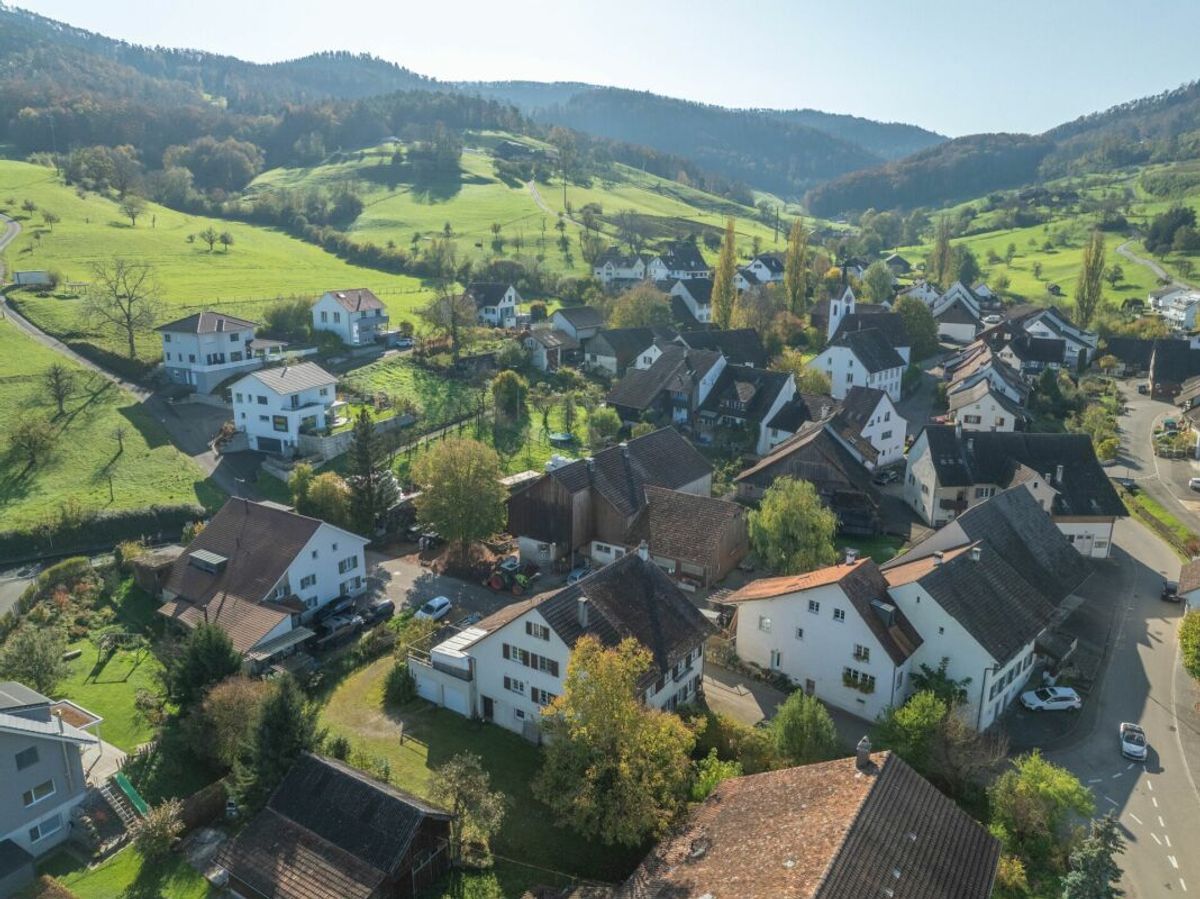
in the heart of the village of Nusshof, which has grown organically. It is a rare example of traditional building culture with a high level of substance and history.
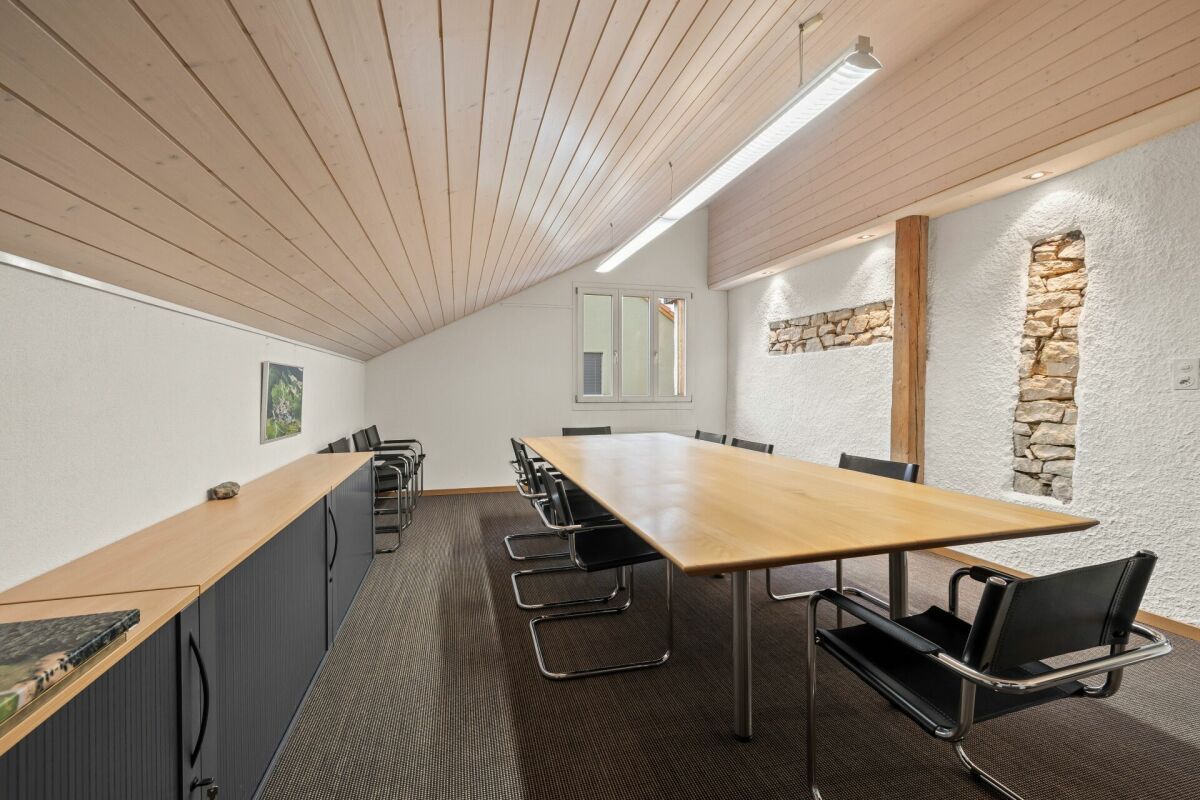
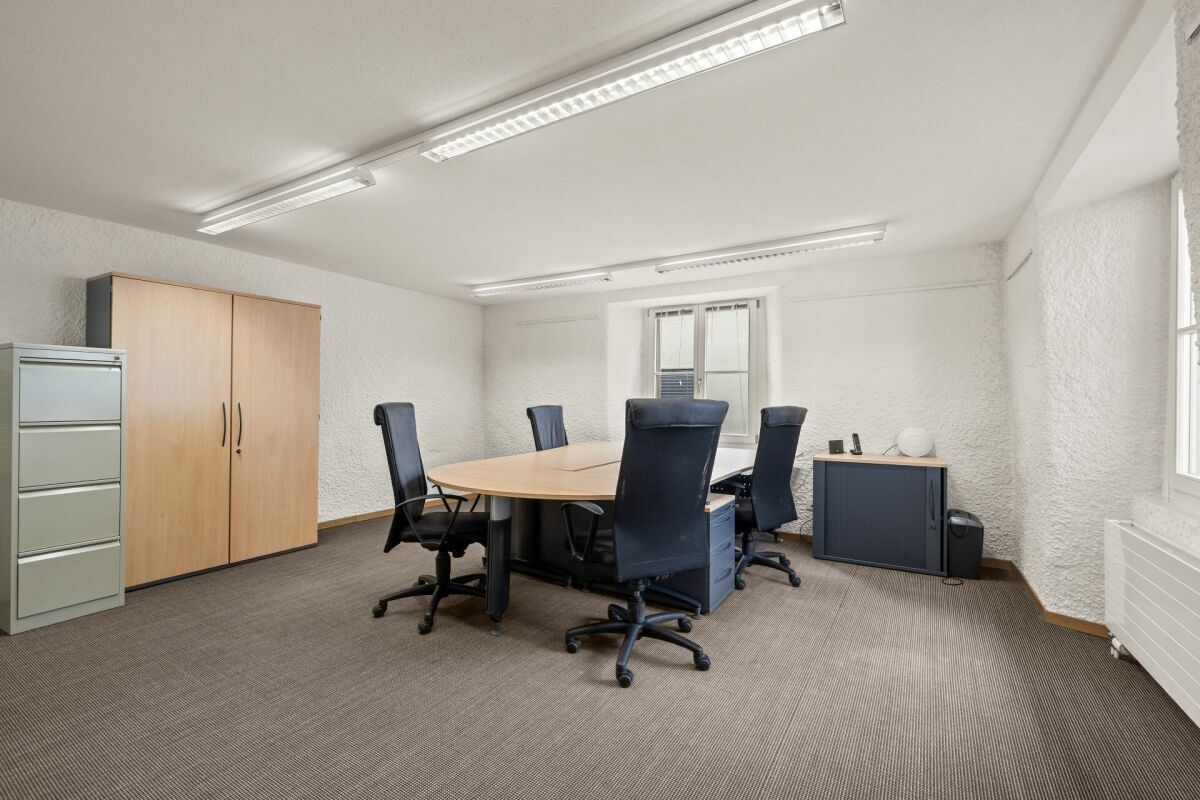
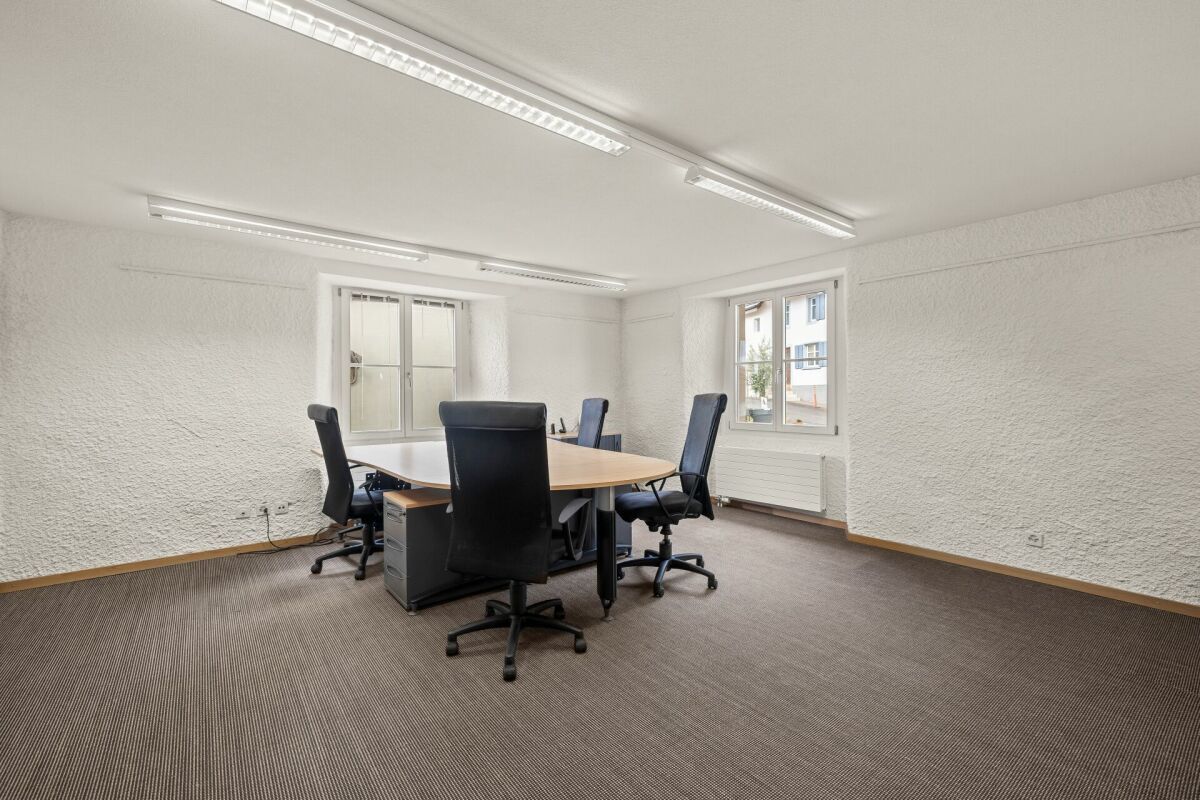
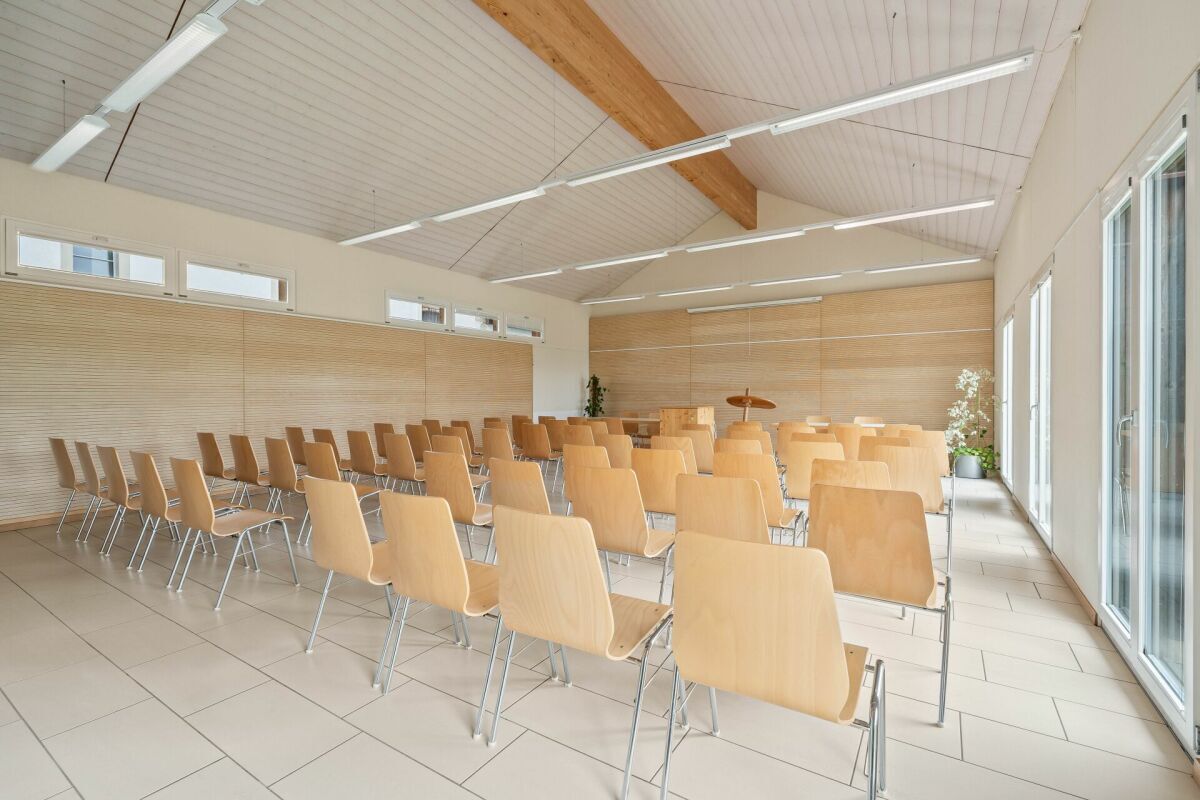
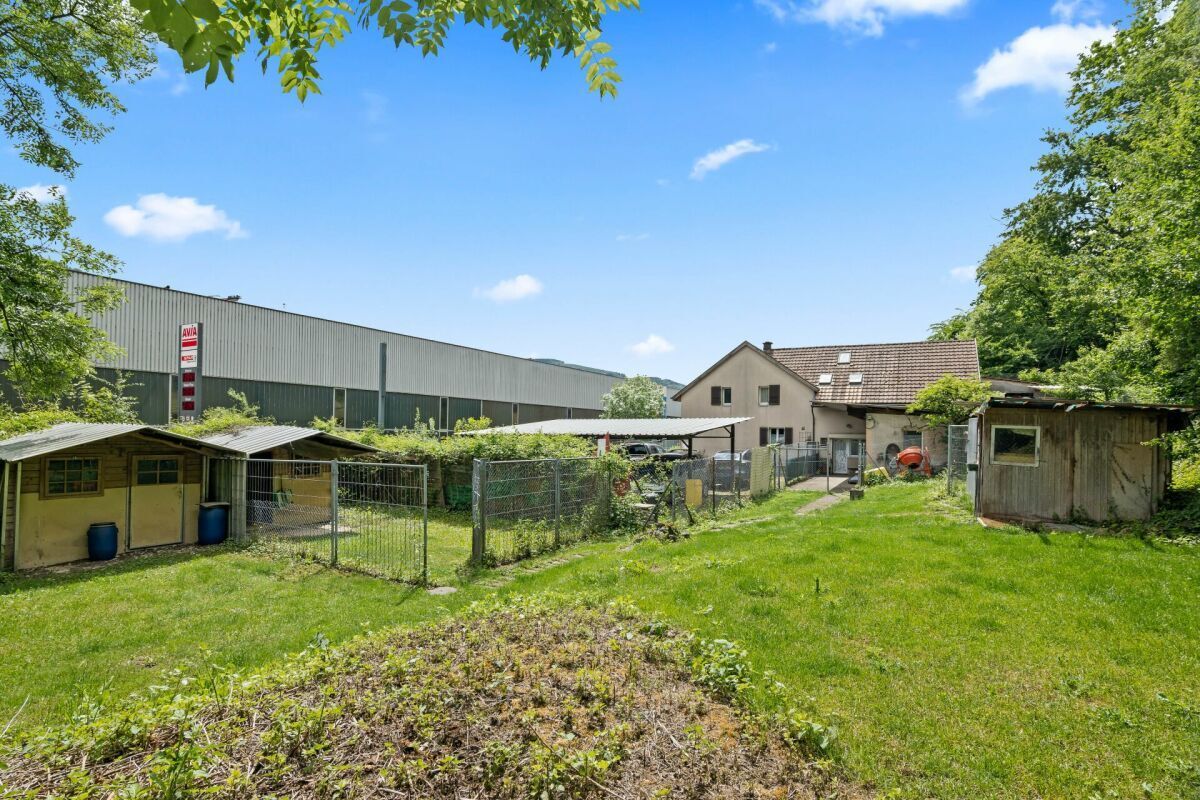
The building impresses with its extraordinary presence, its generous volume of around 3,408 m³ and its remarkable development potential. The existing structure offers a wide range of possibilities, including the possibility of using it as a multi-family dwelling (MFH) or a combined residential and work concept in the future. The
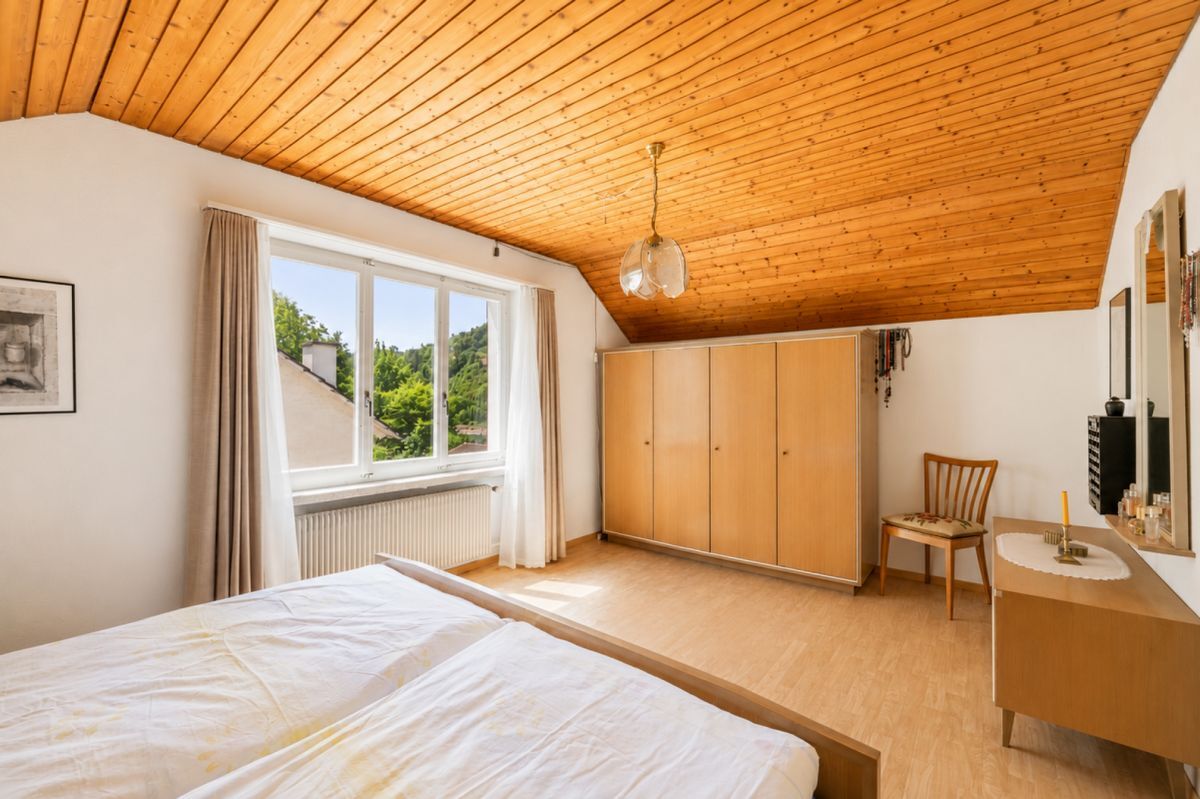
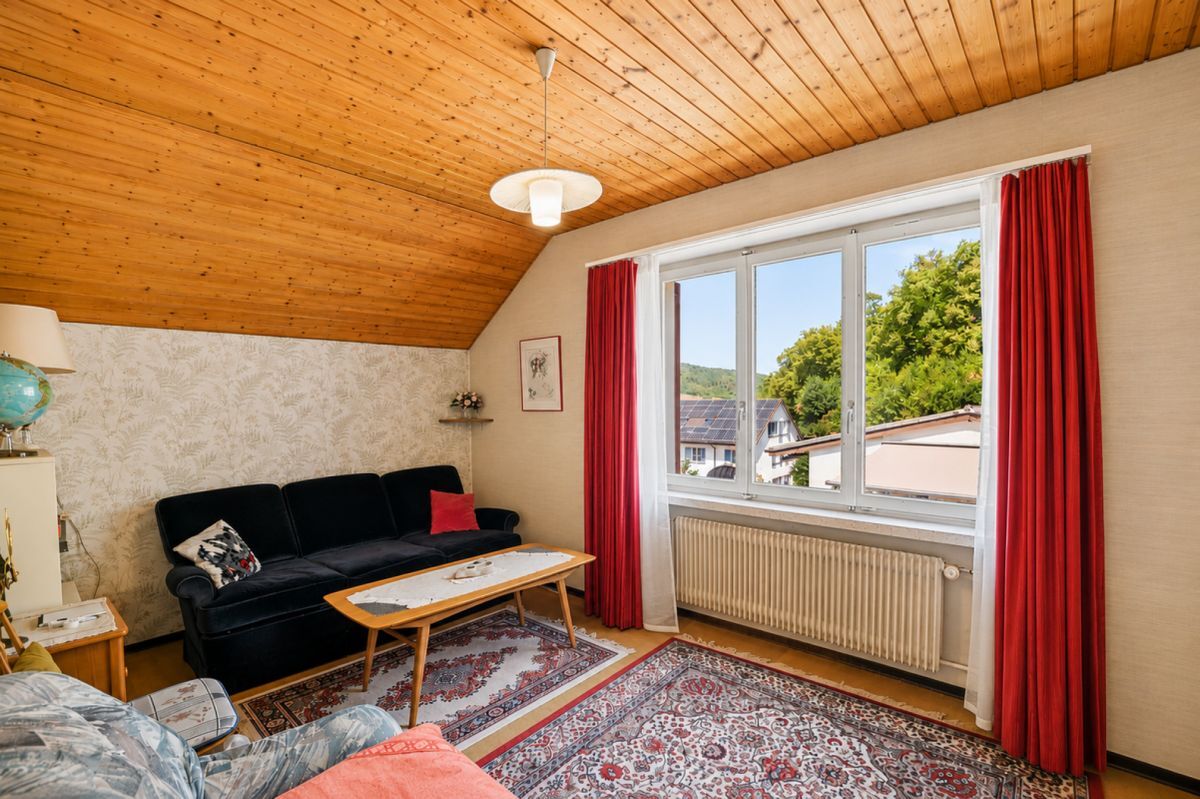
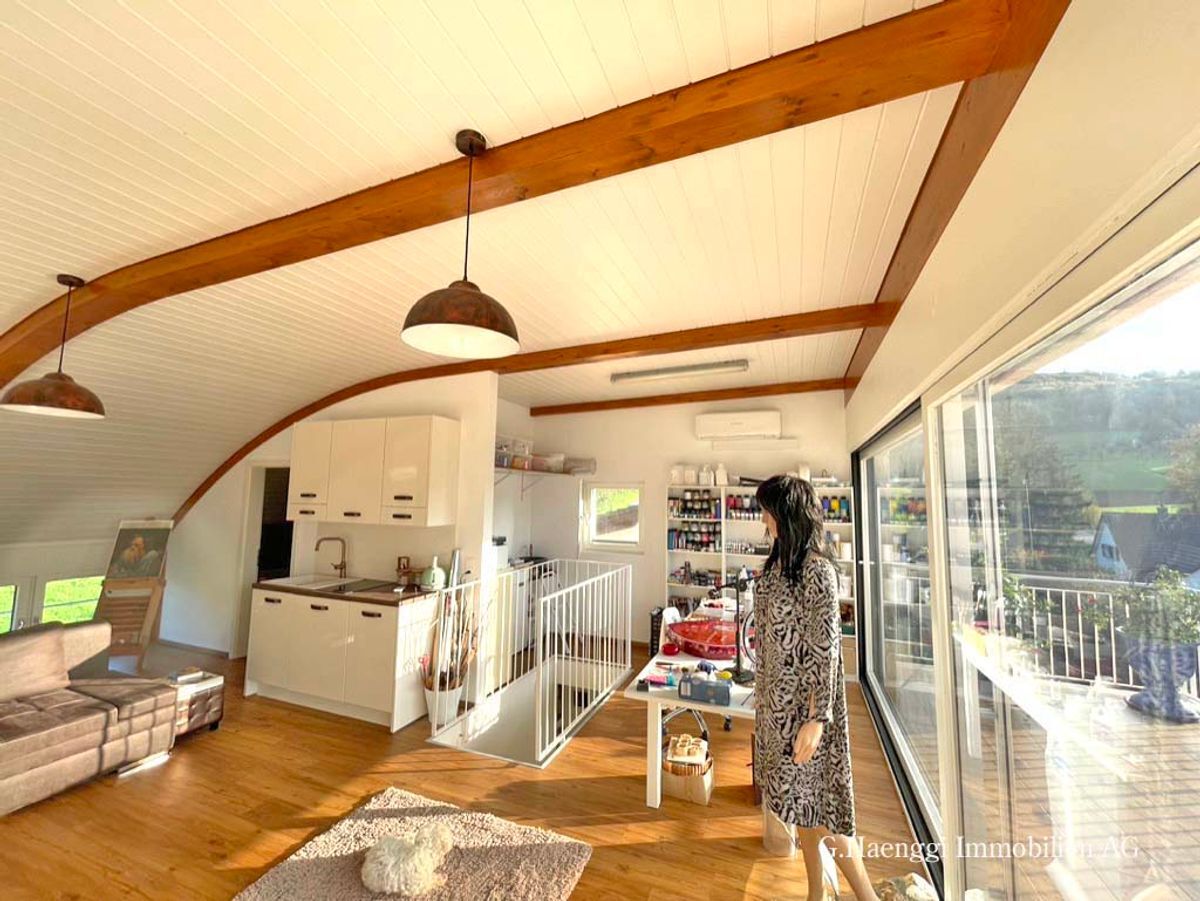
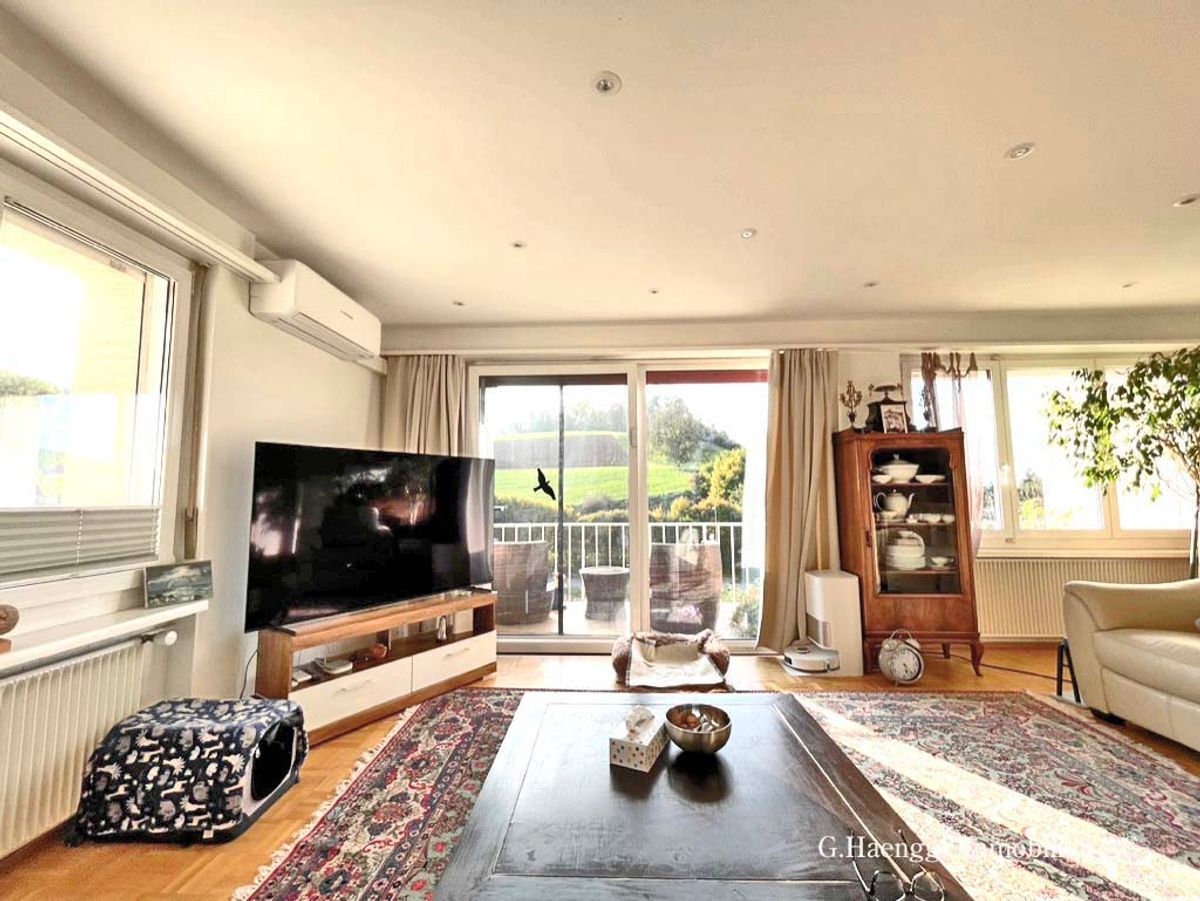
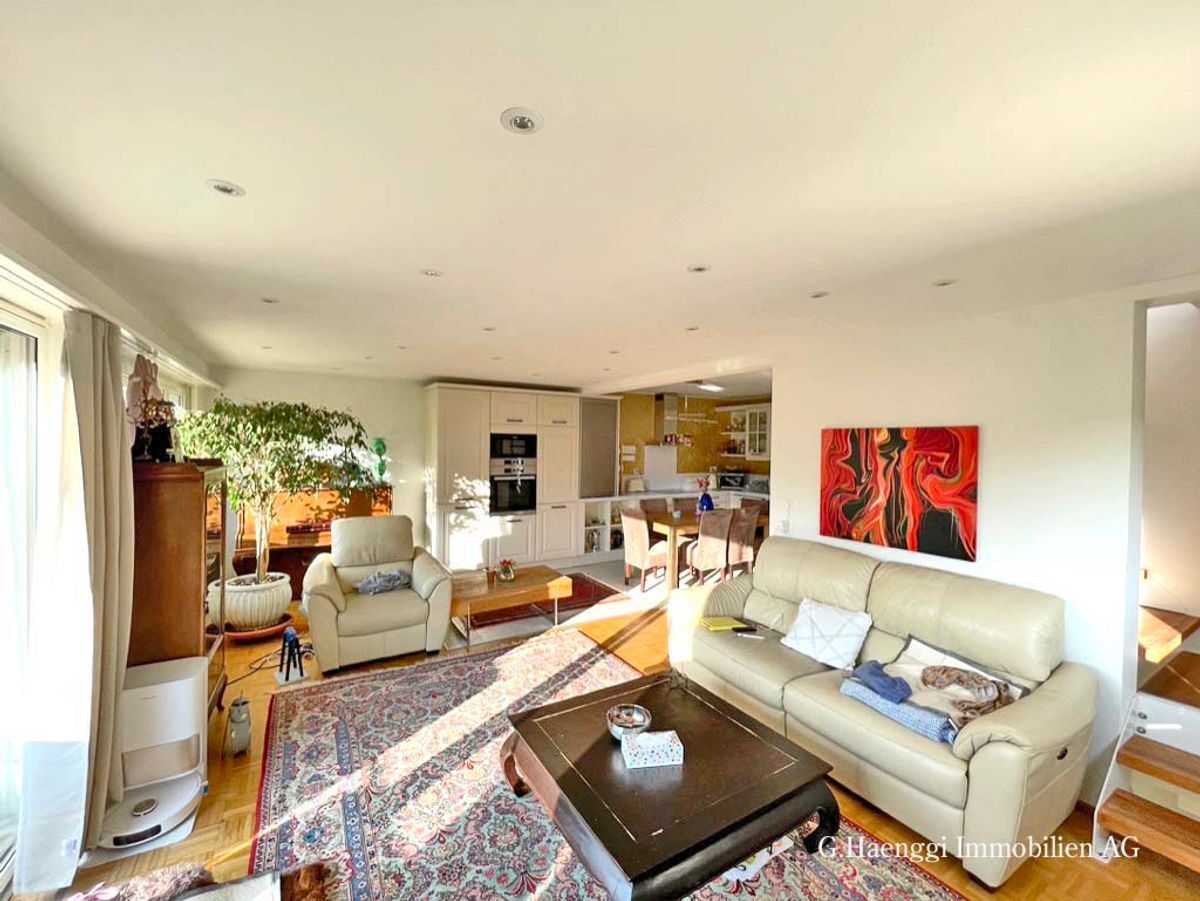
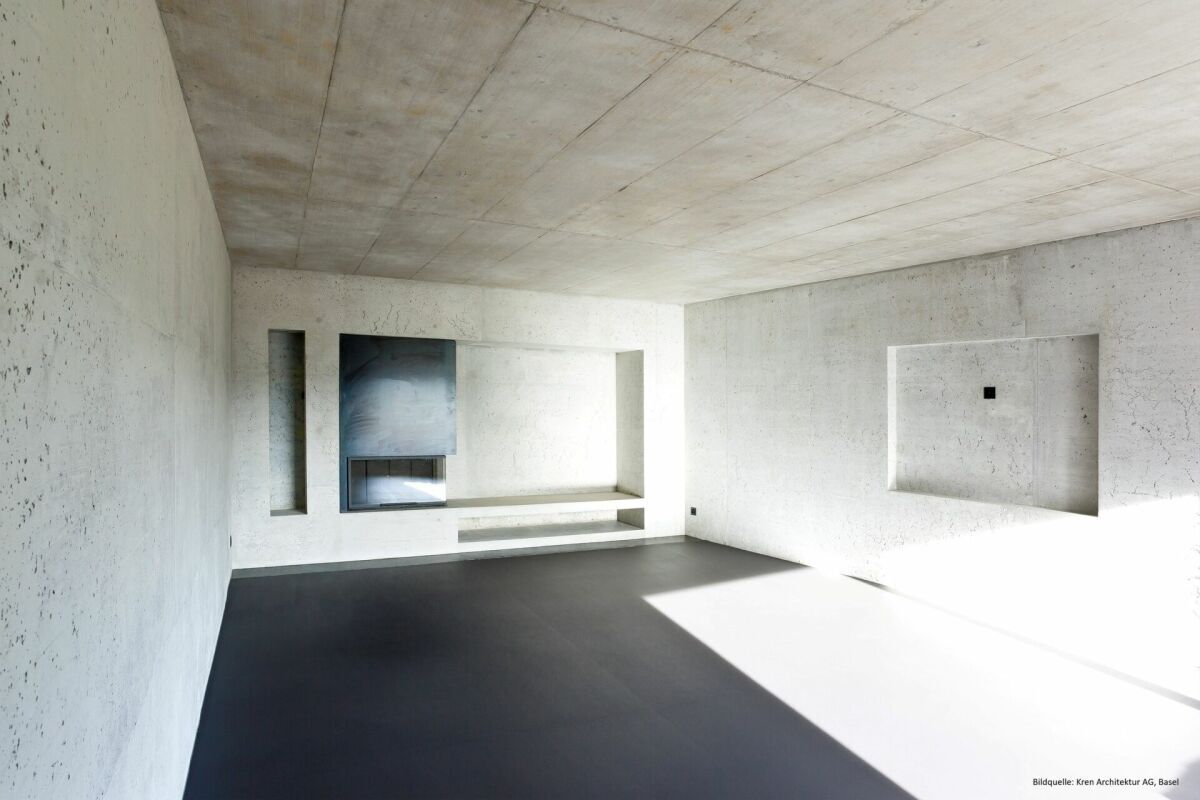
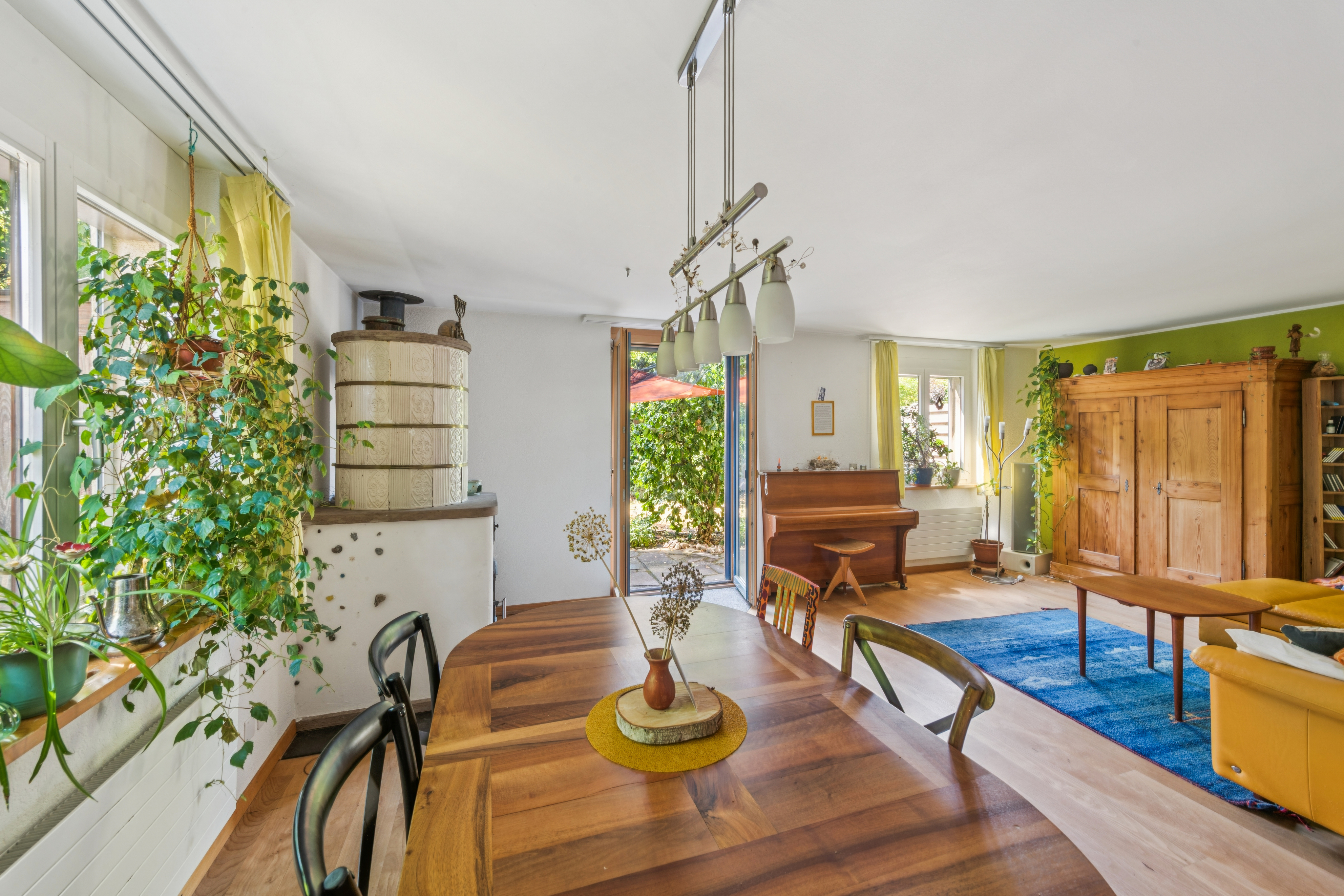
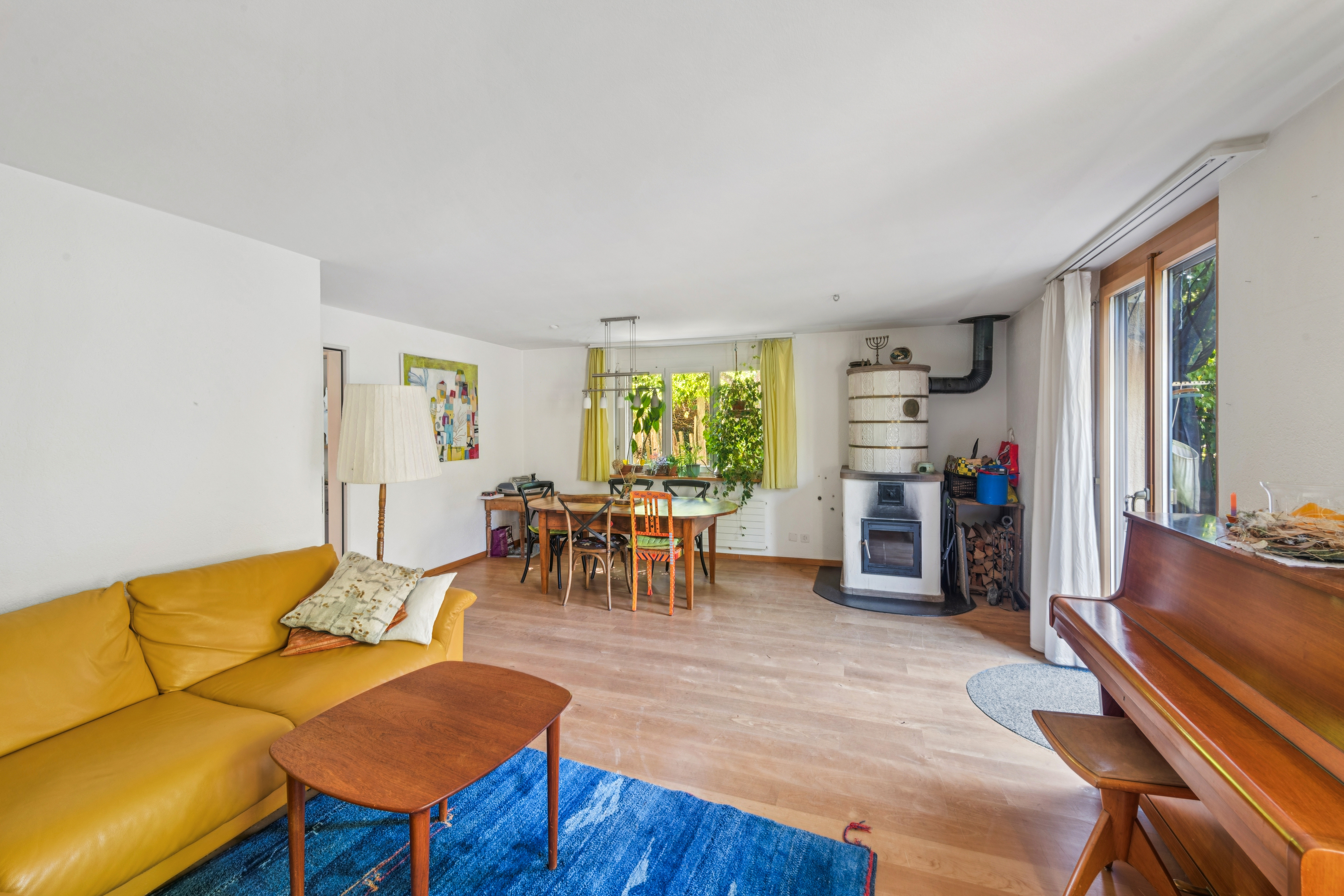
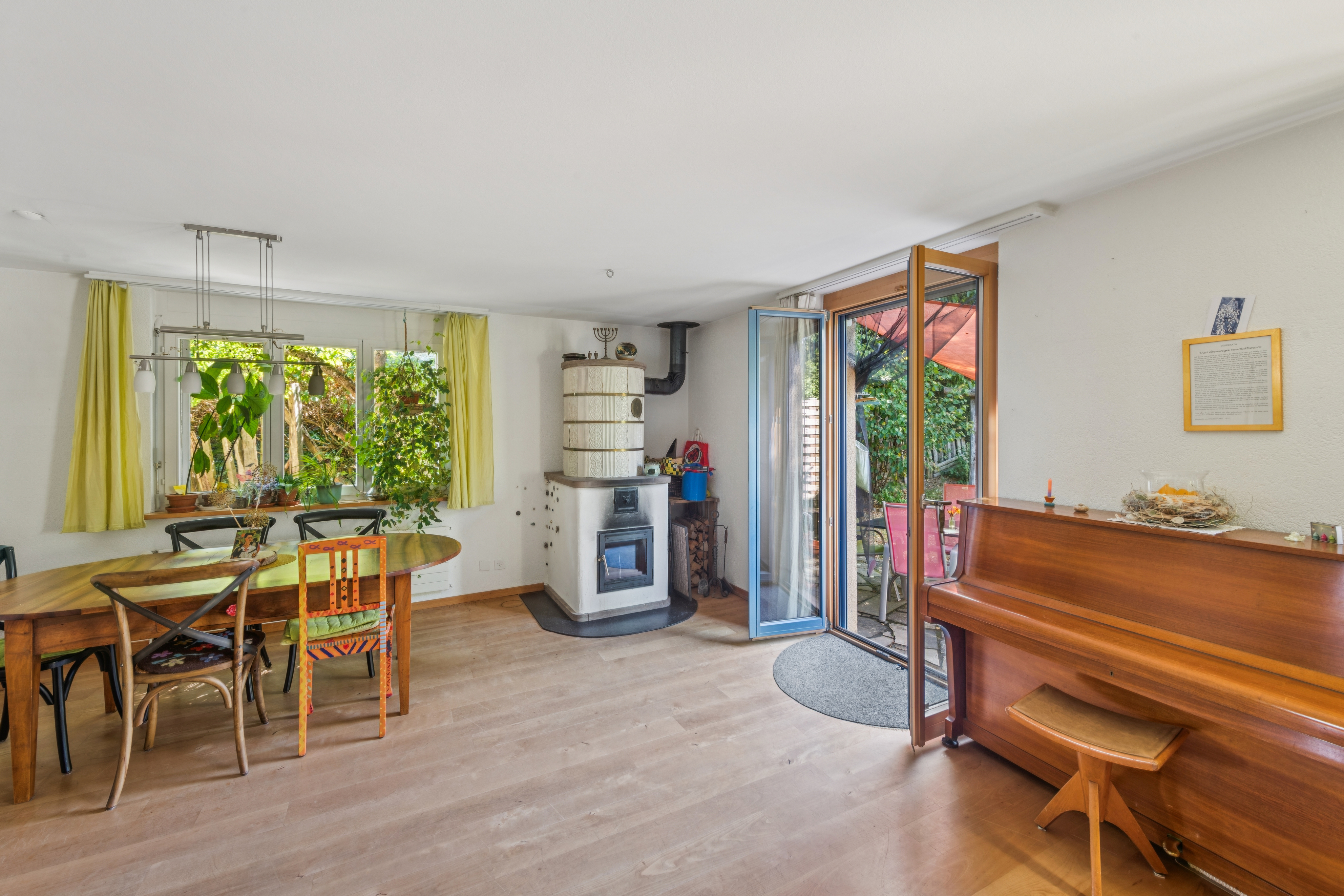
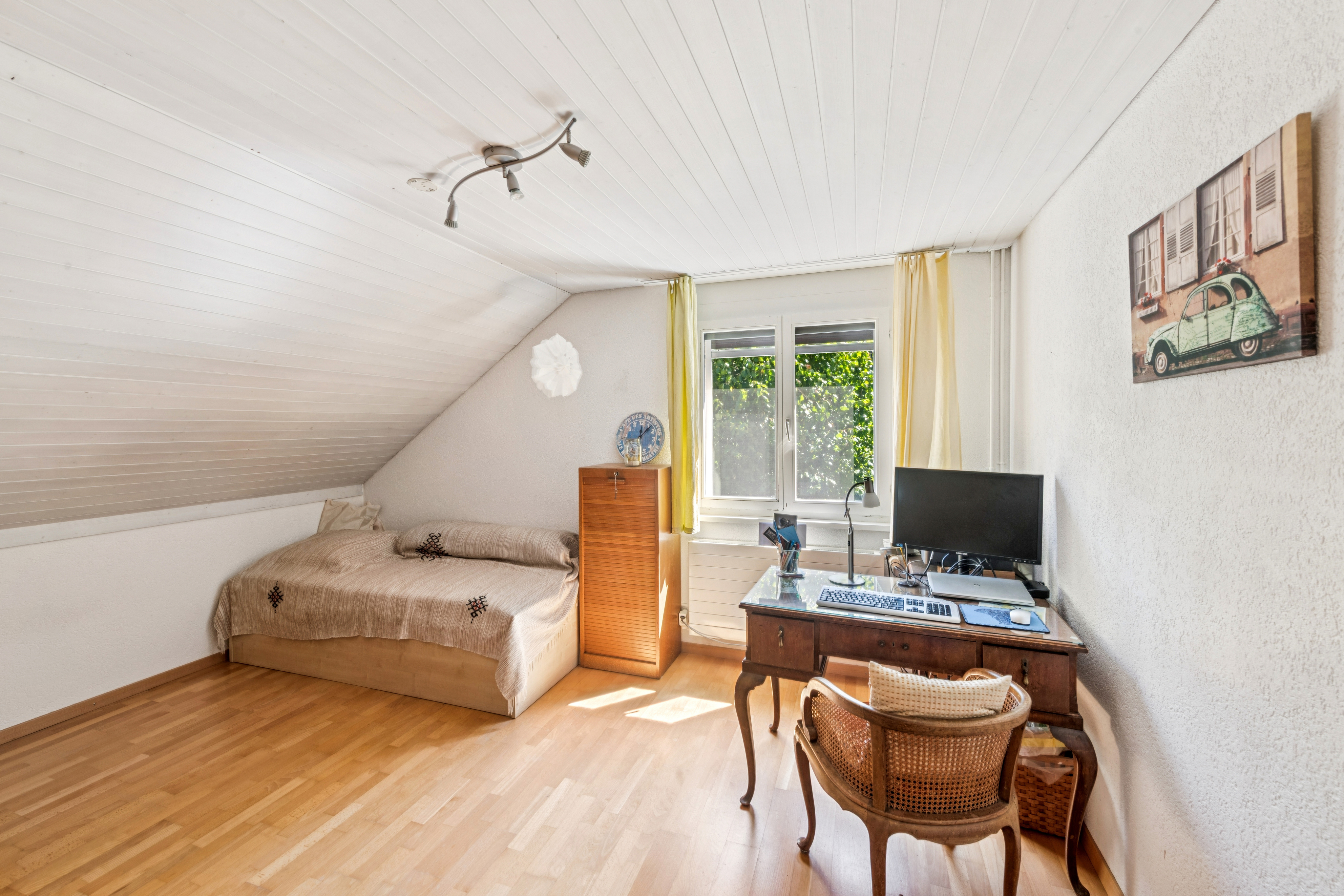
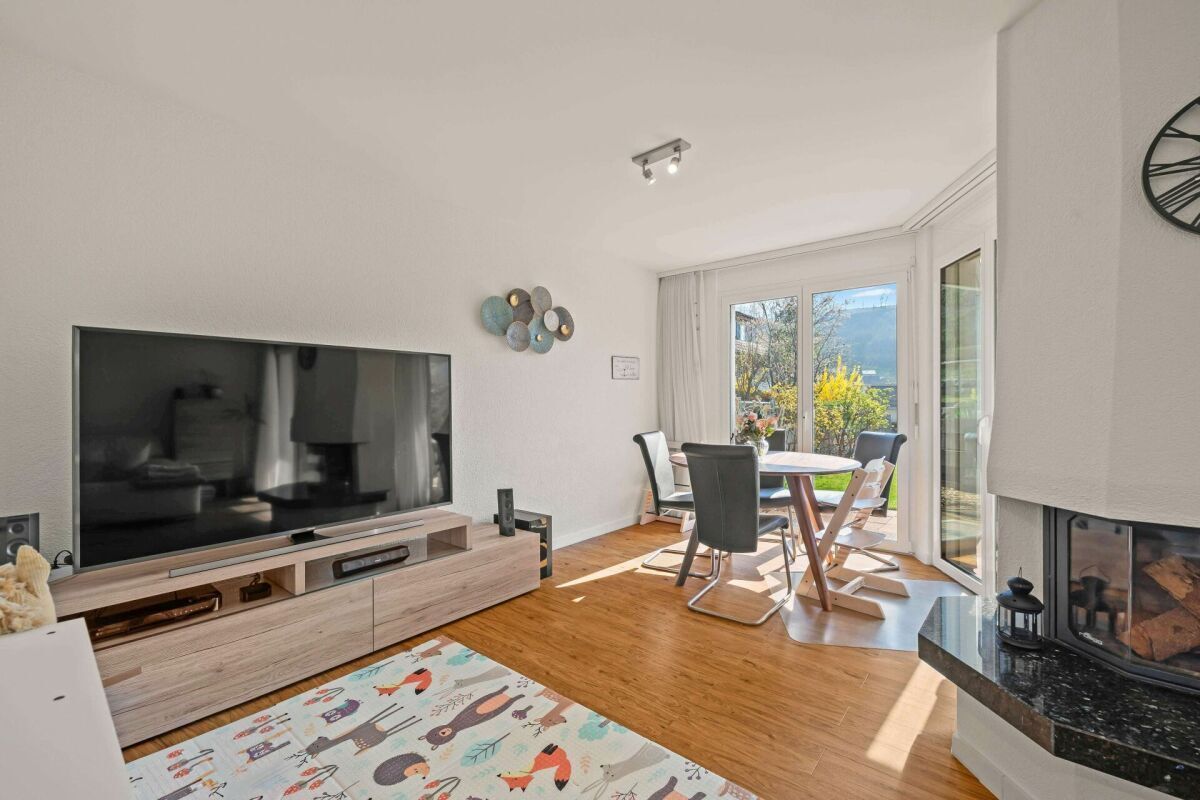
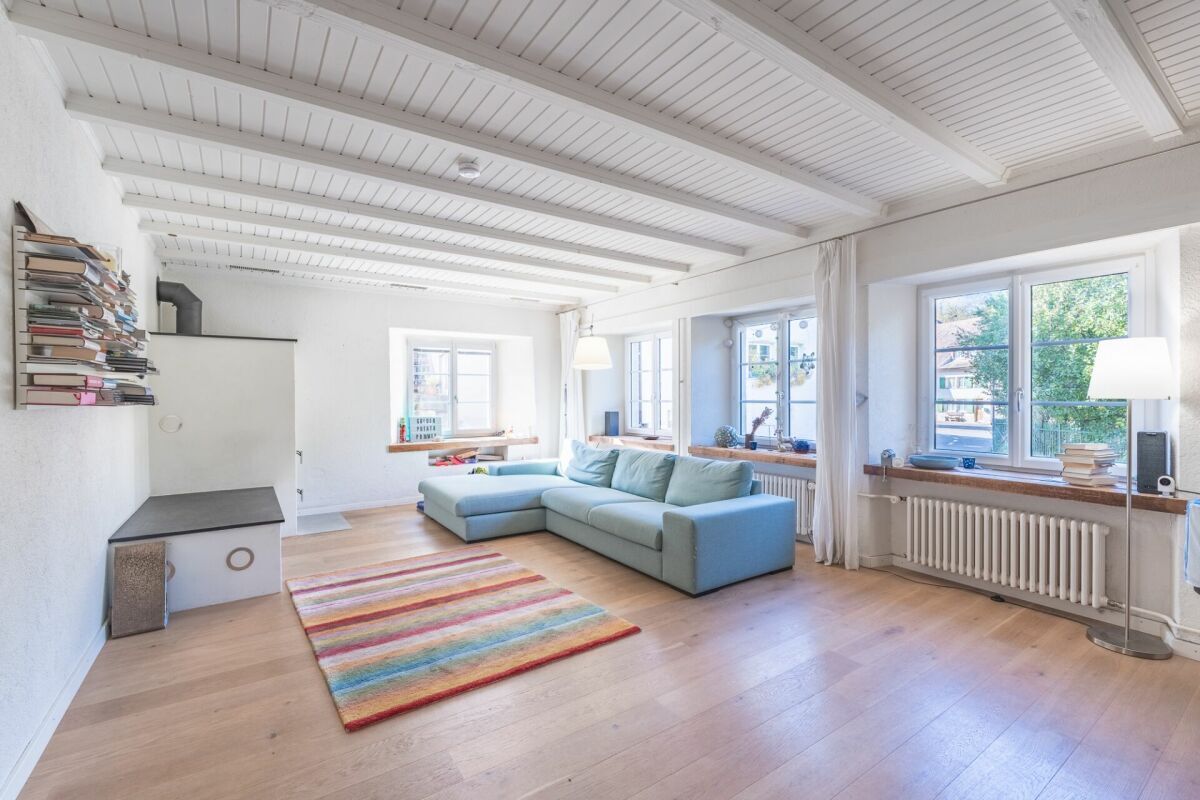
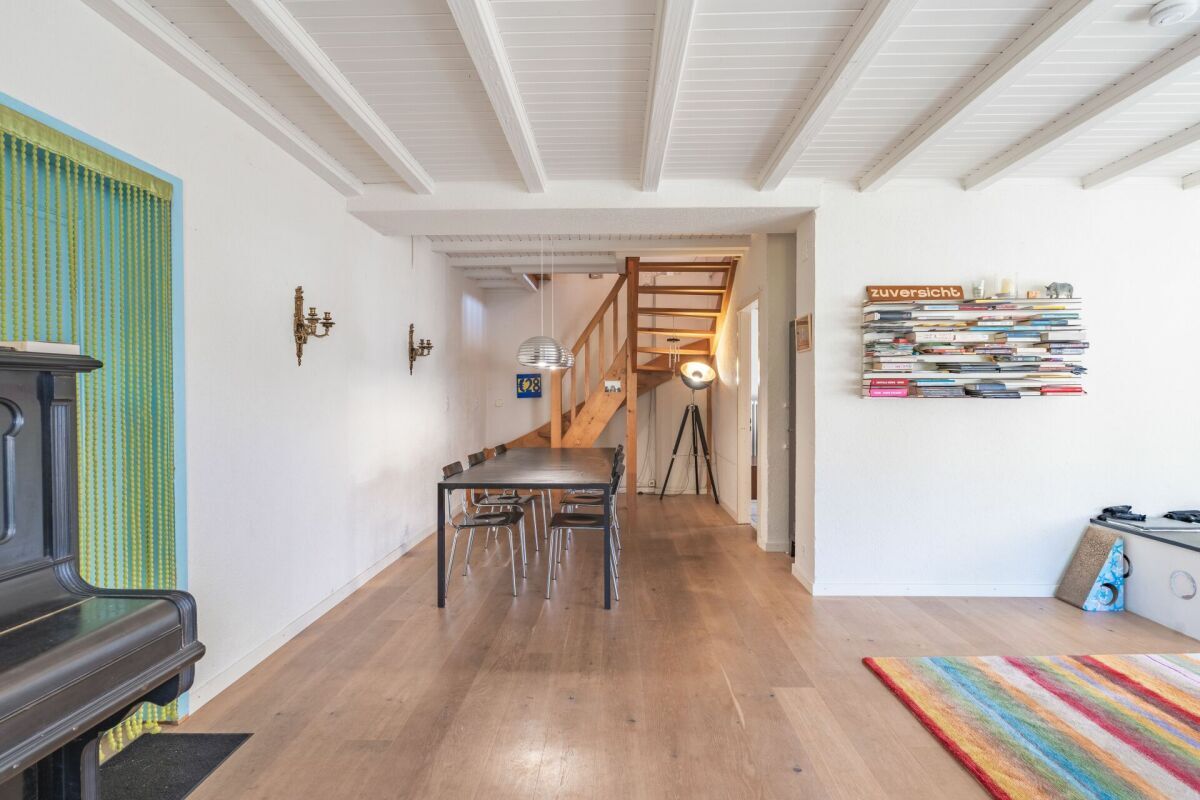
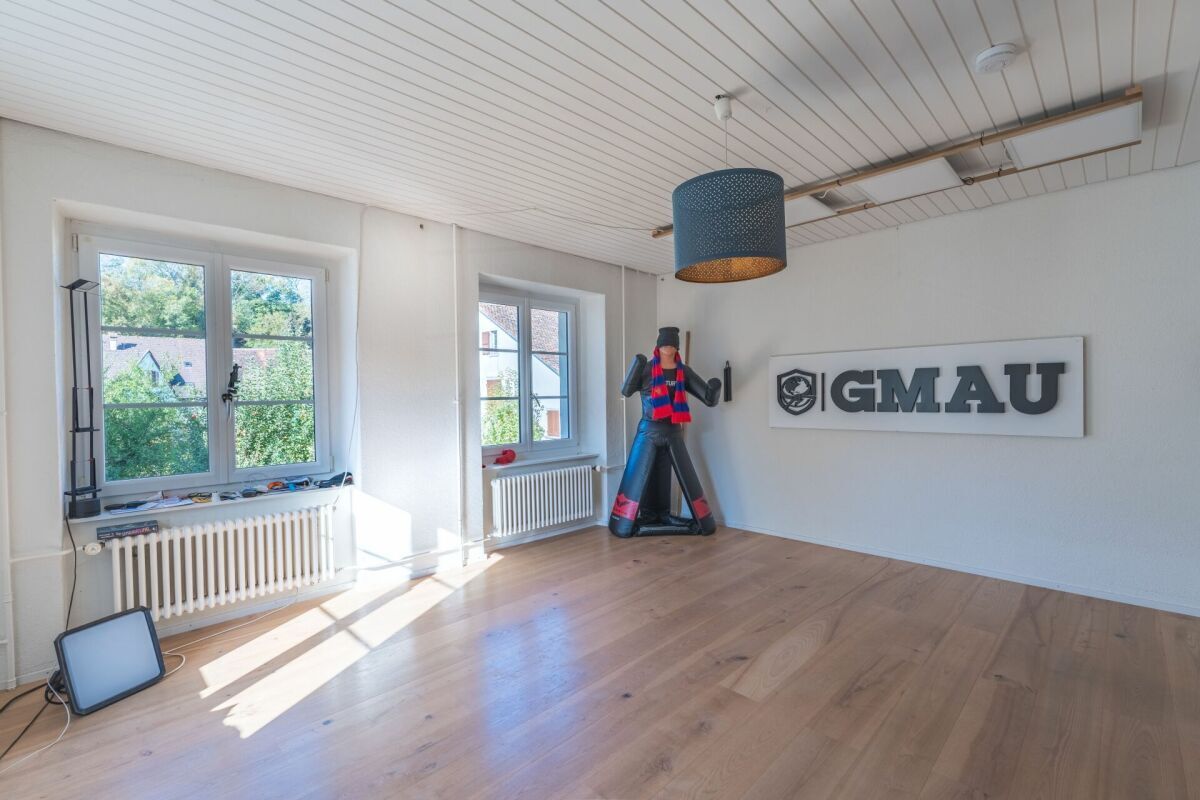
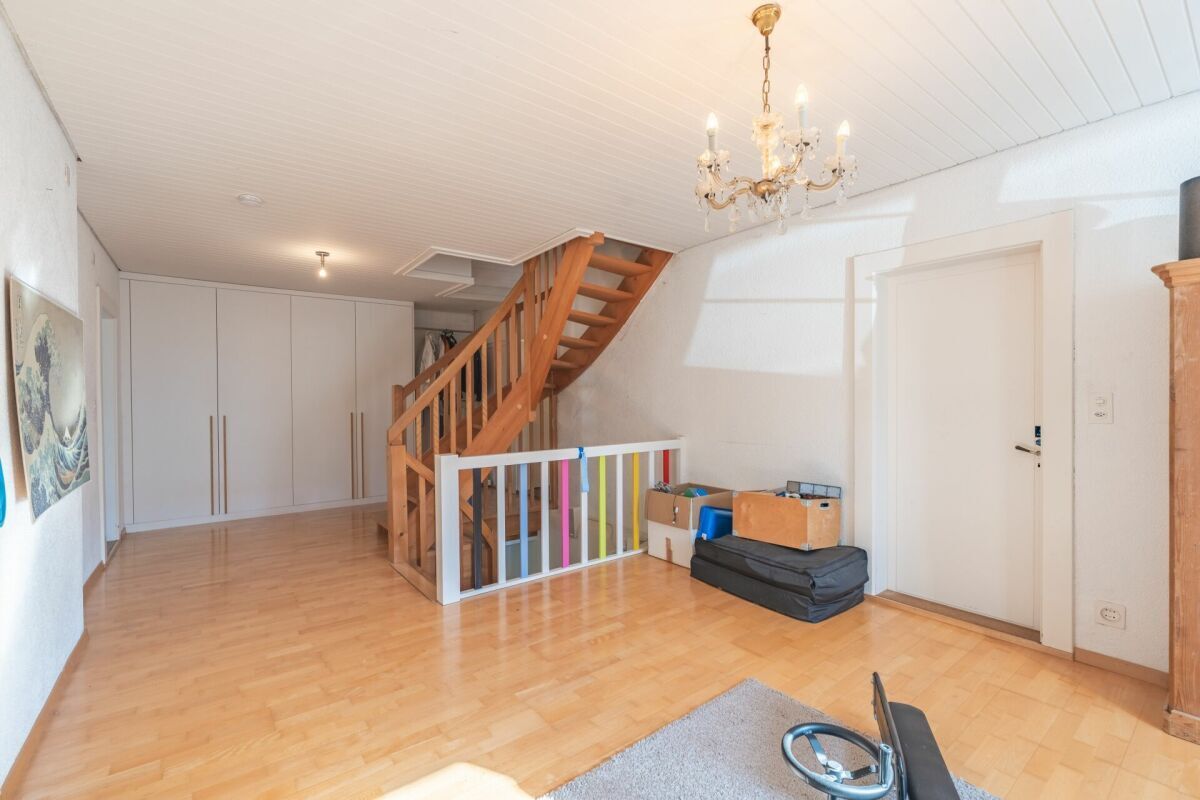
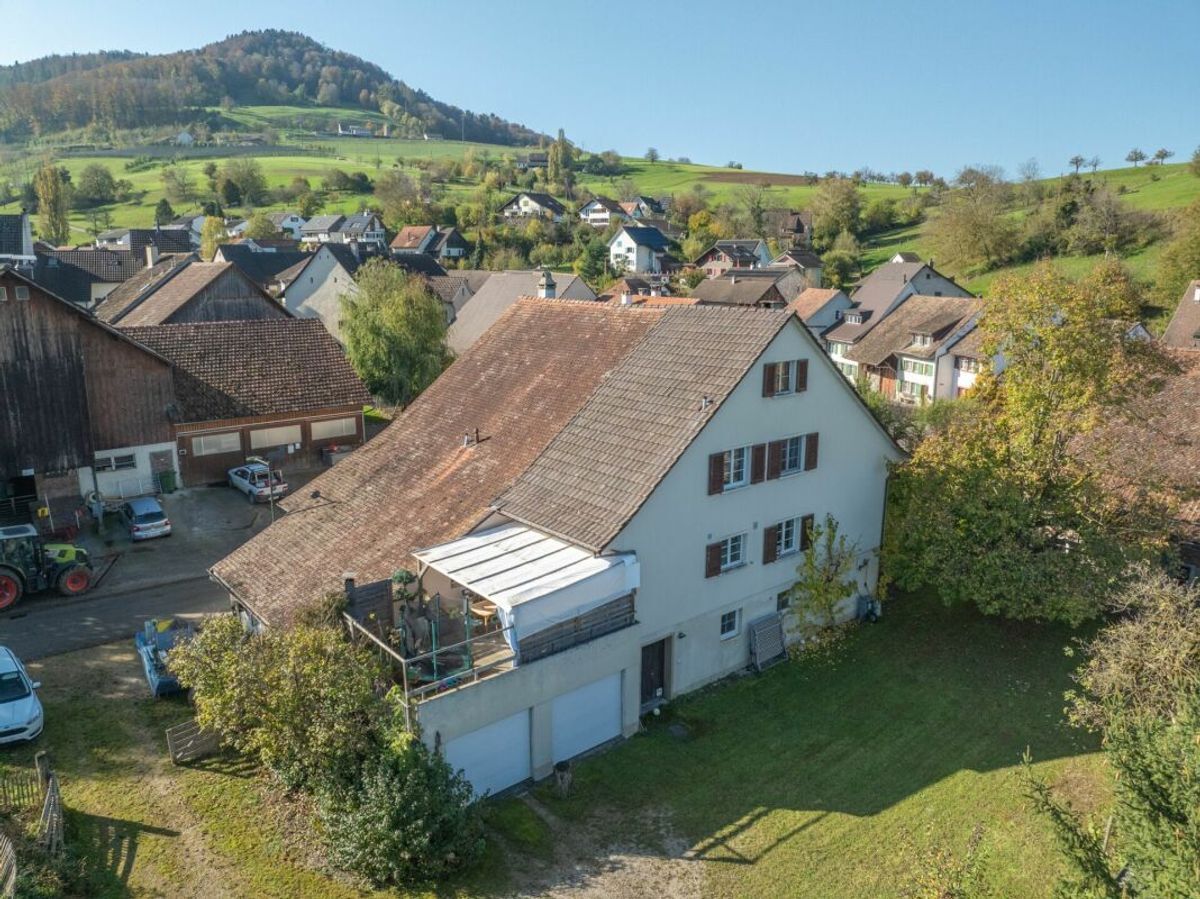
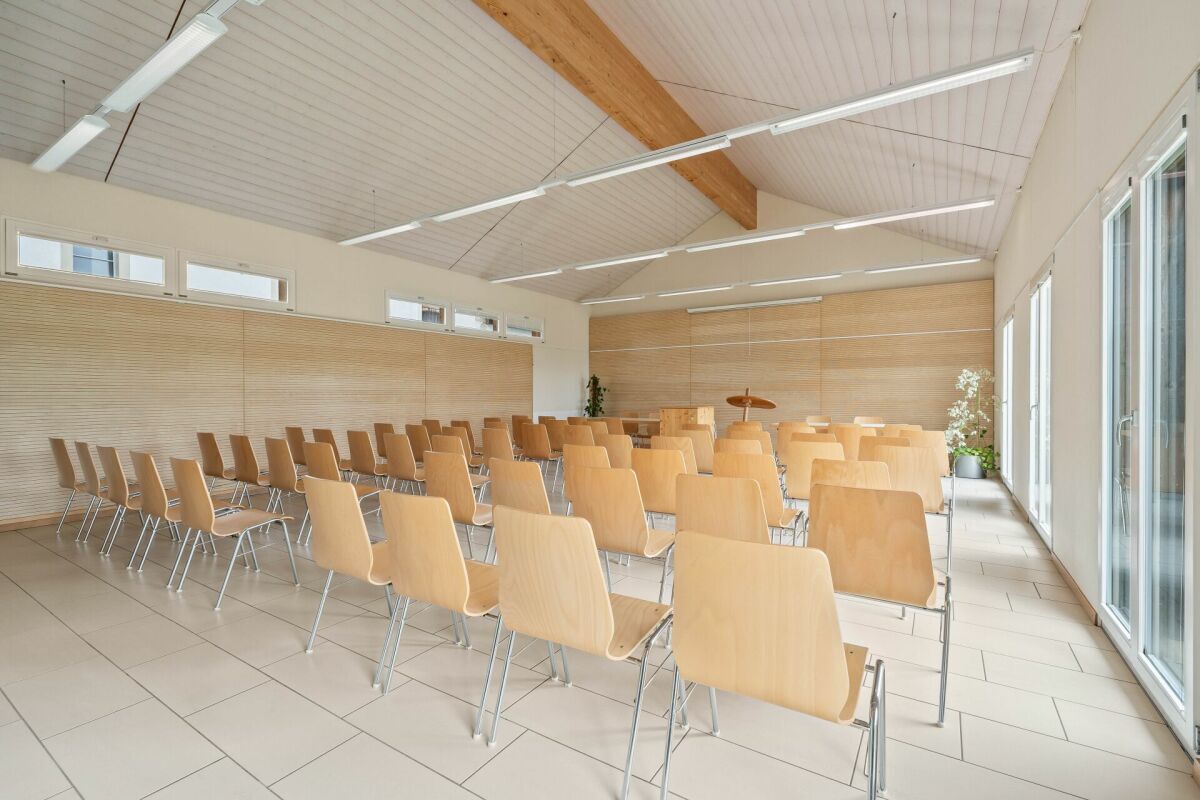
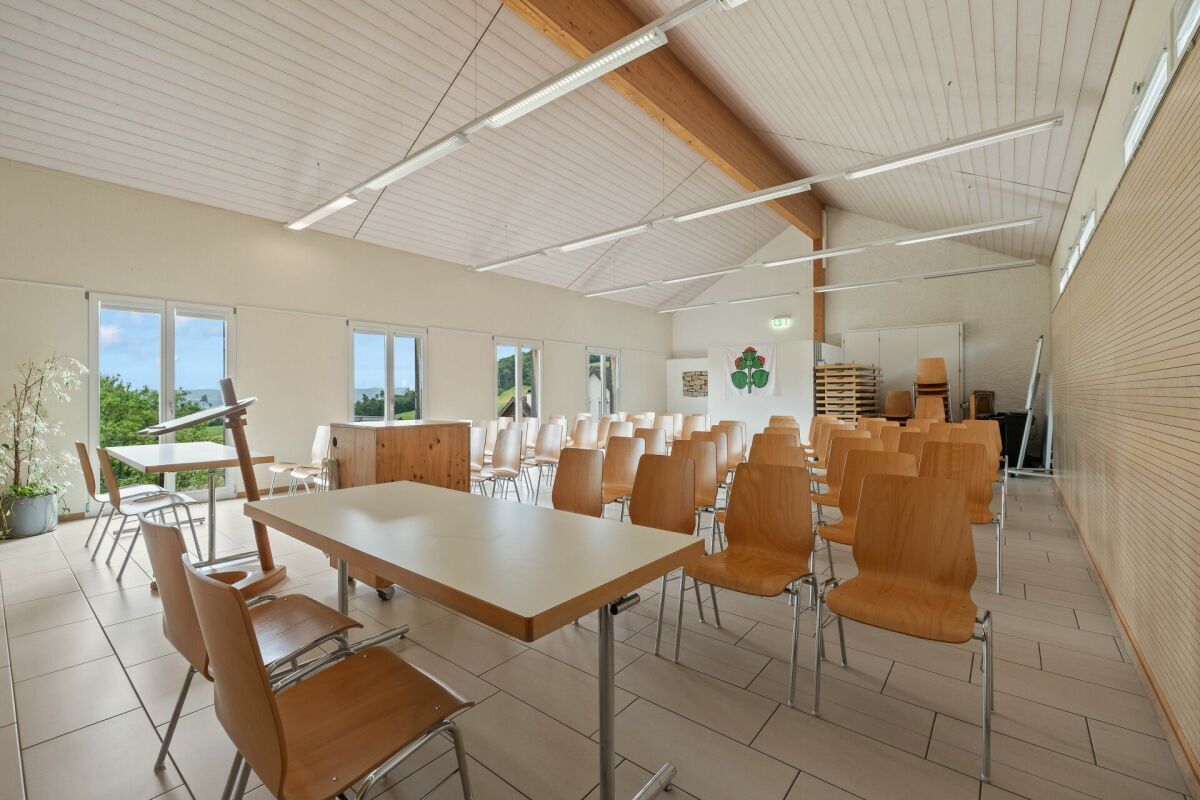
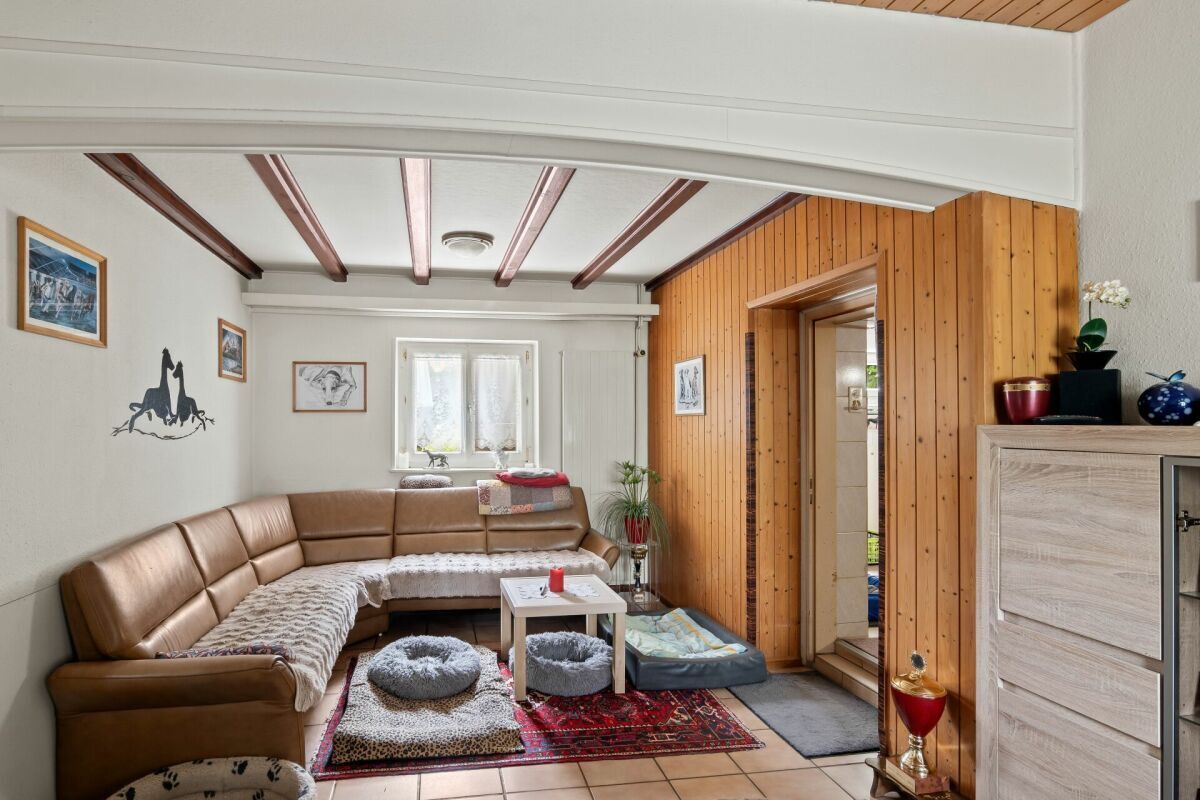
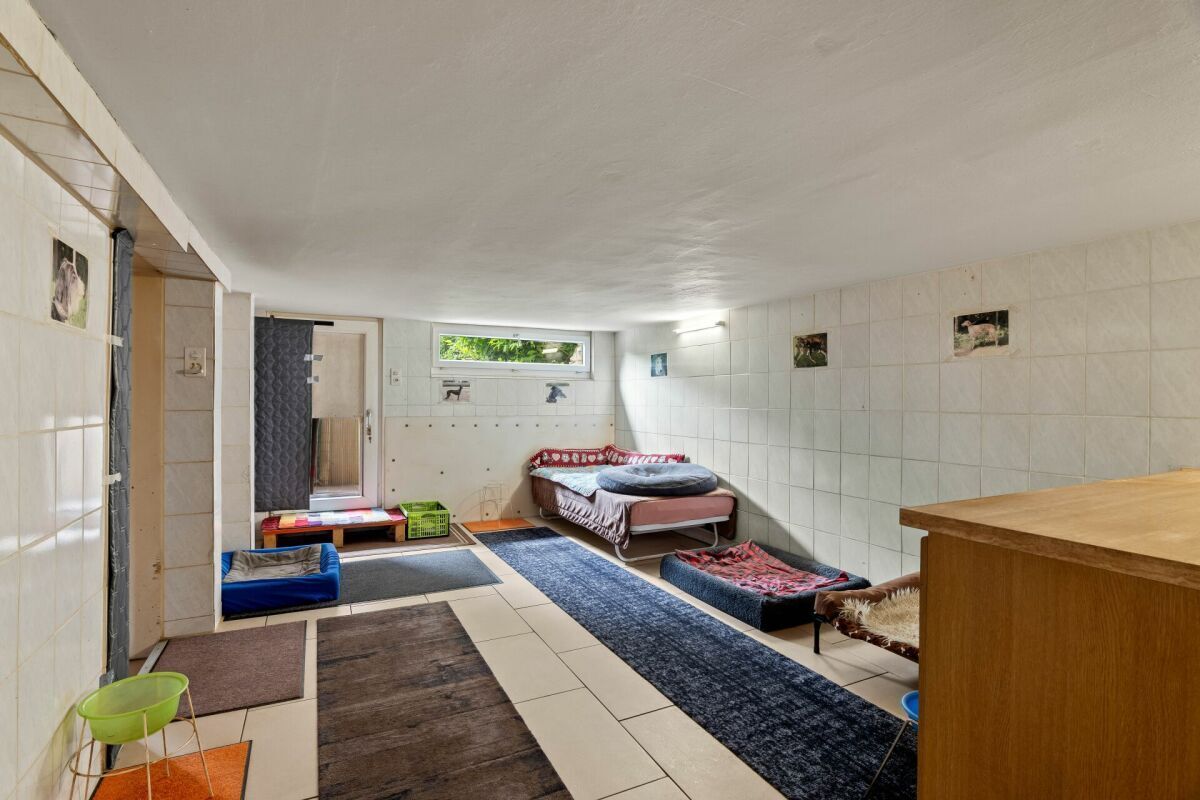
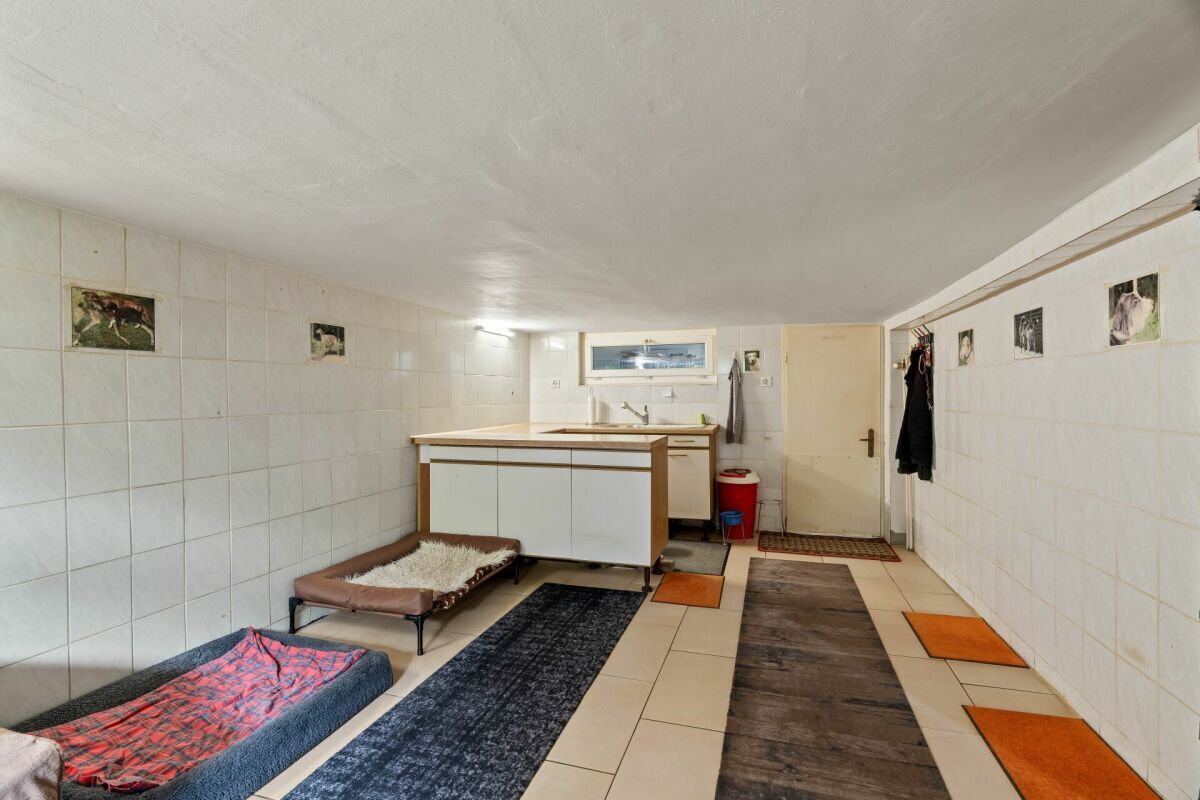
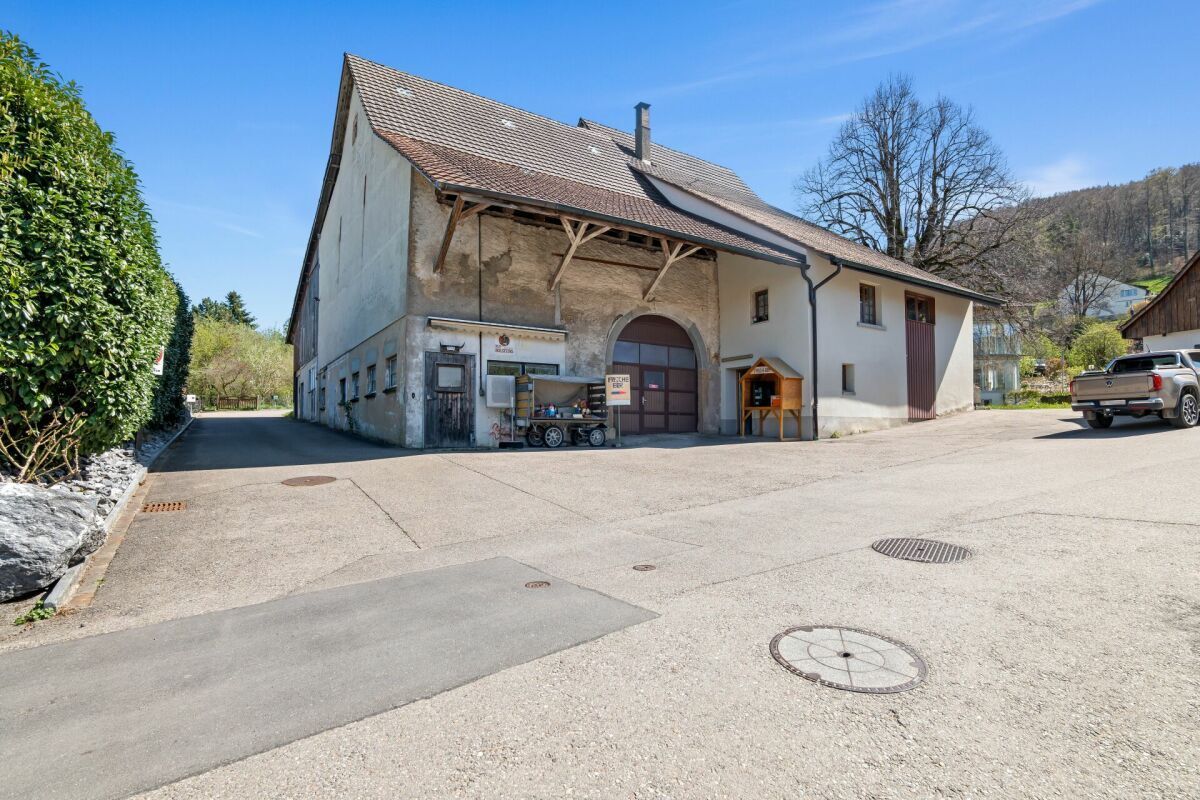
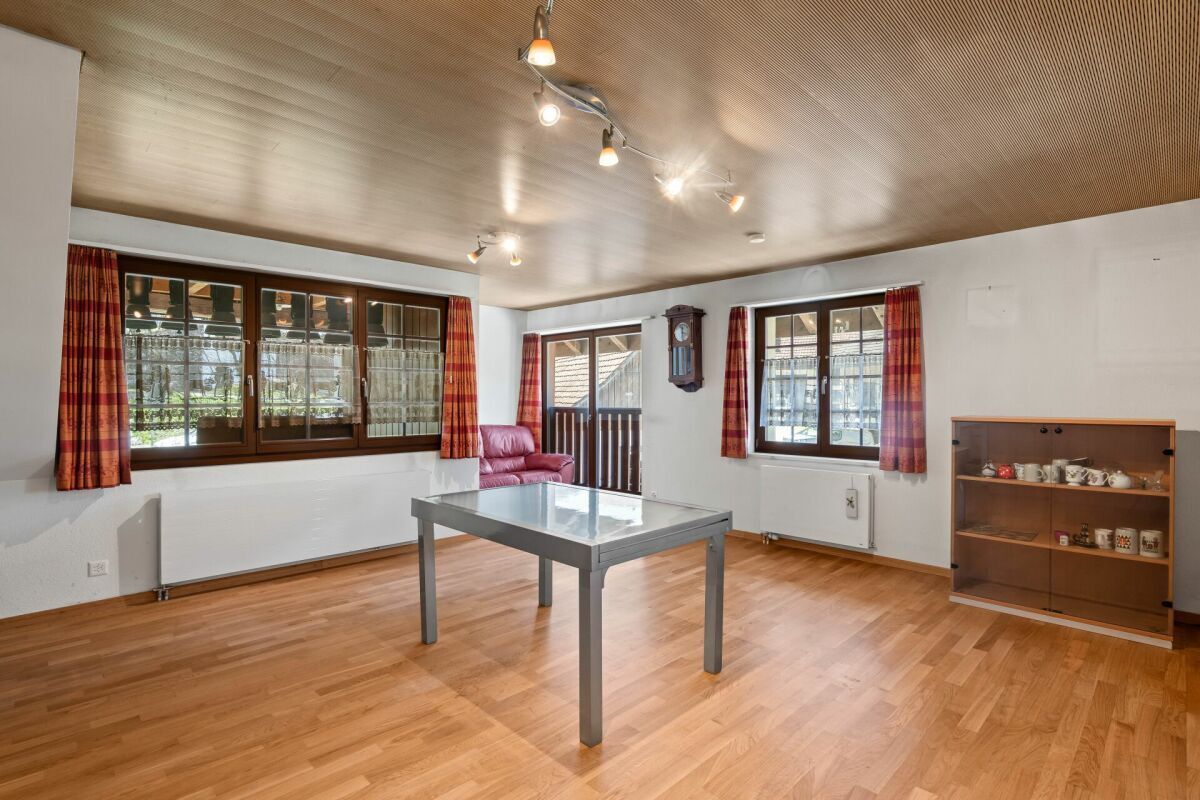
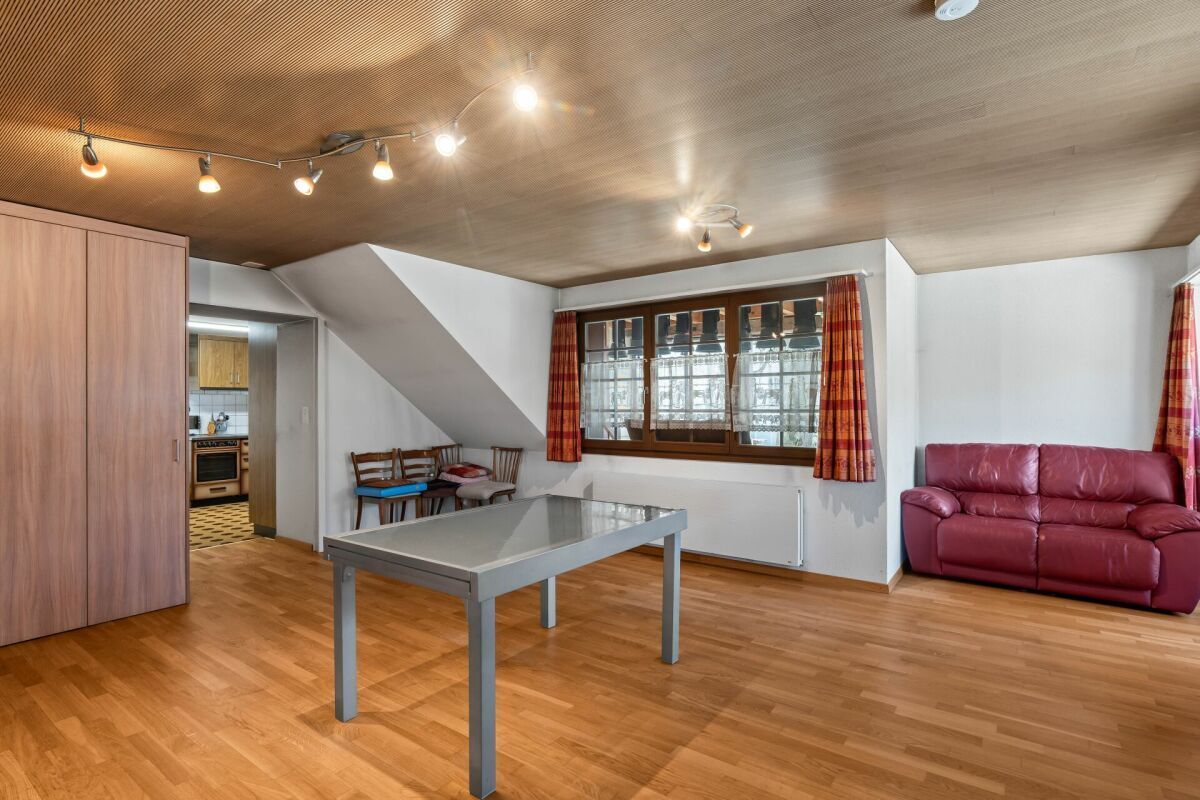
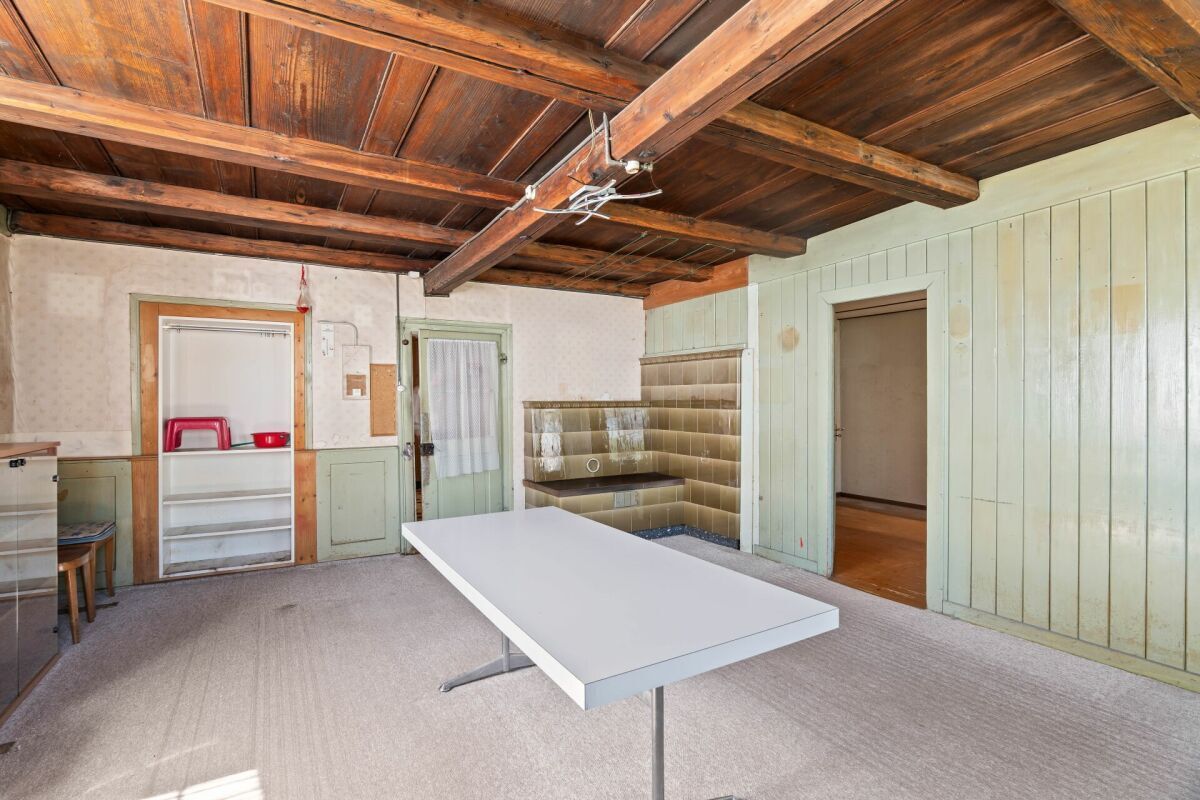
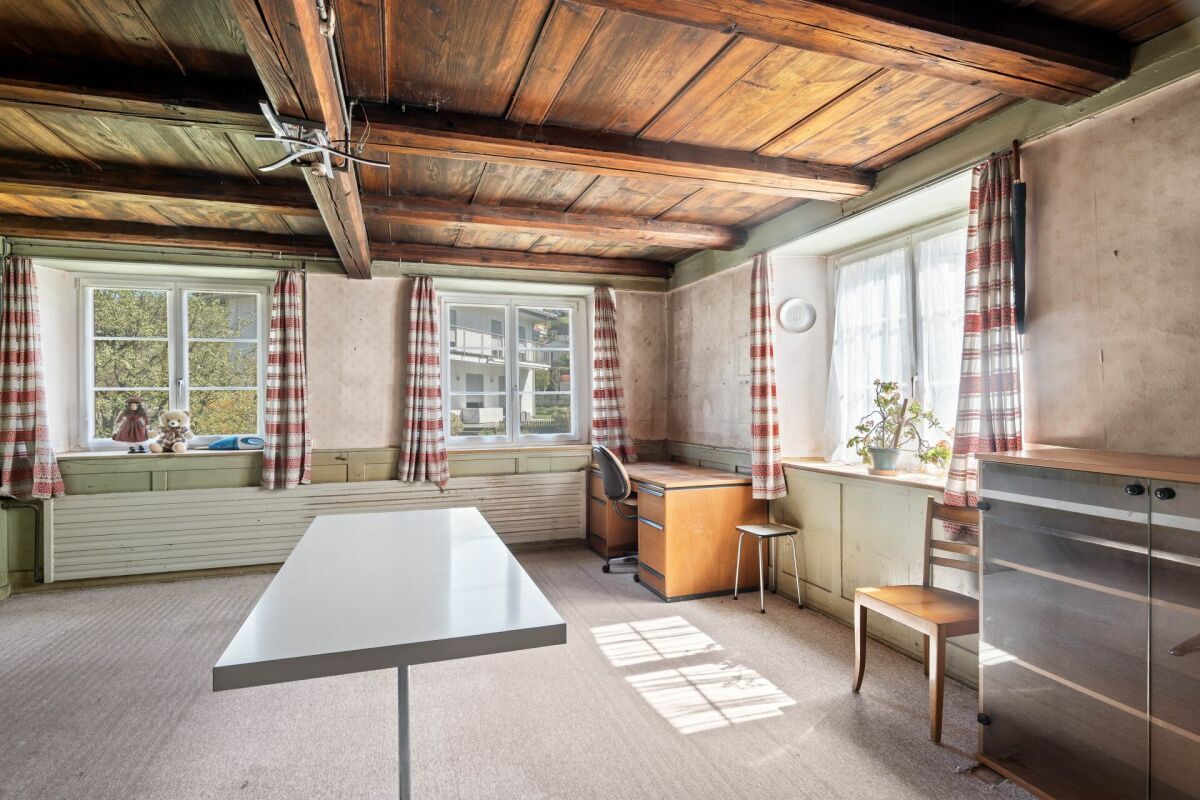
interior is characterized by original and historical elements. The traditional tiled stove is particularly noteworthy, as it lends the living area a warm and authentic atmosphere. The building is complemented by a characteristic vaulted cellar, which further emphasizes its historical character. The property includes an integrated stable and a workshop, which make the original agricultural use of the house visible to this day and at the same time open up a wide range of possibilities for use.
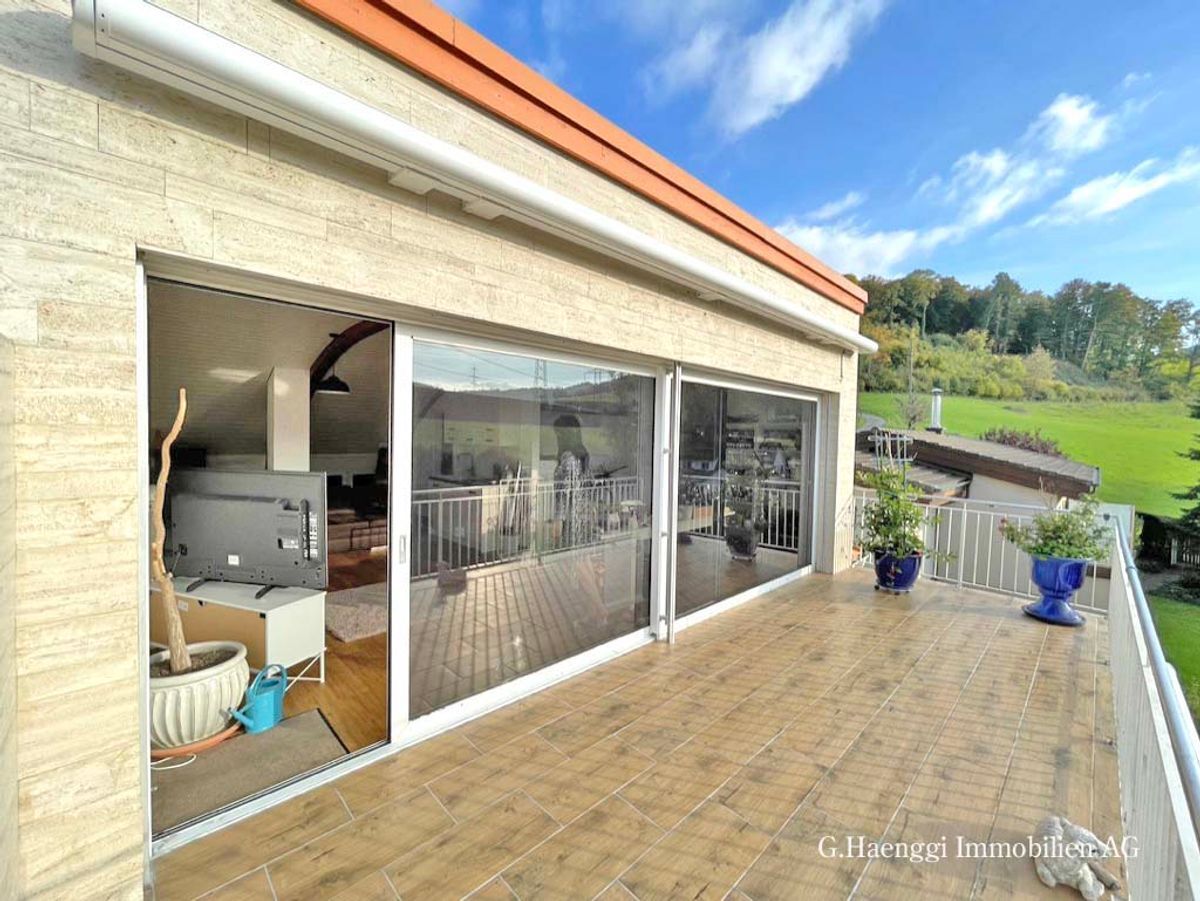
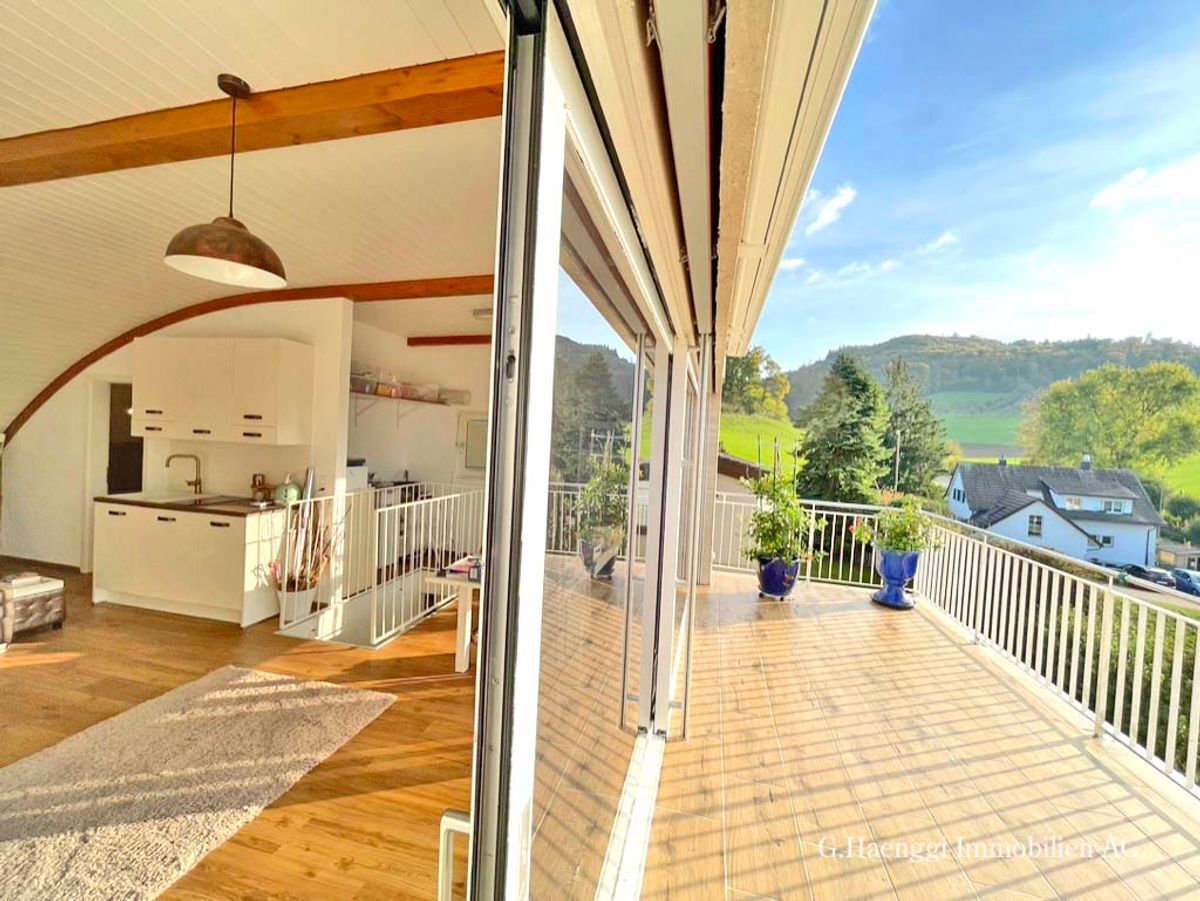
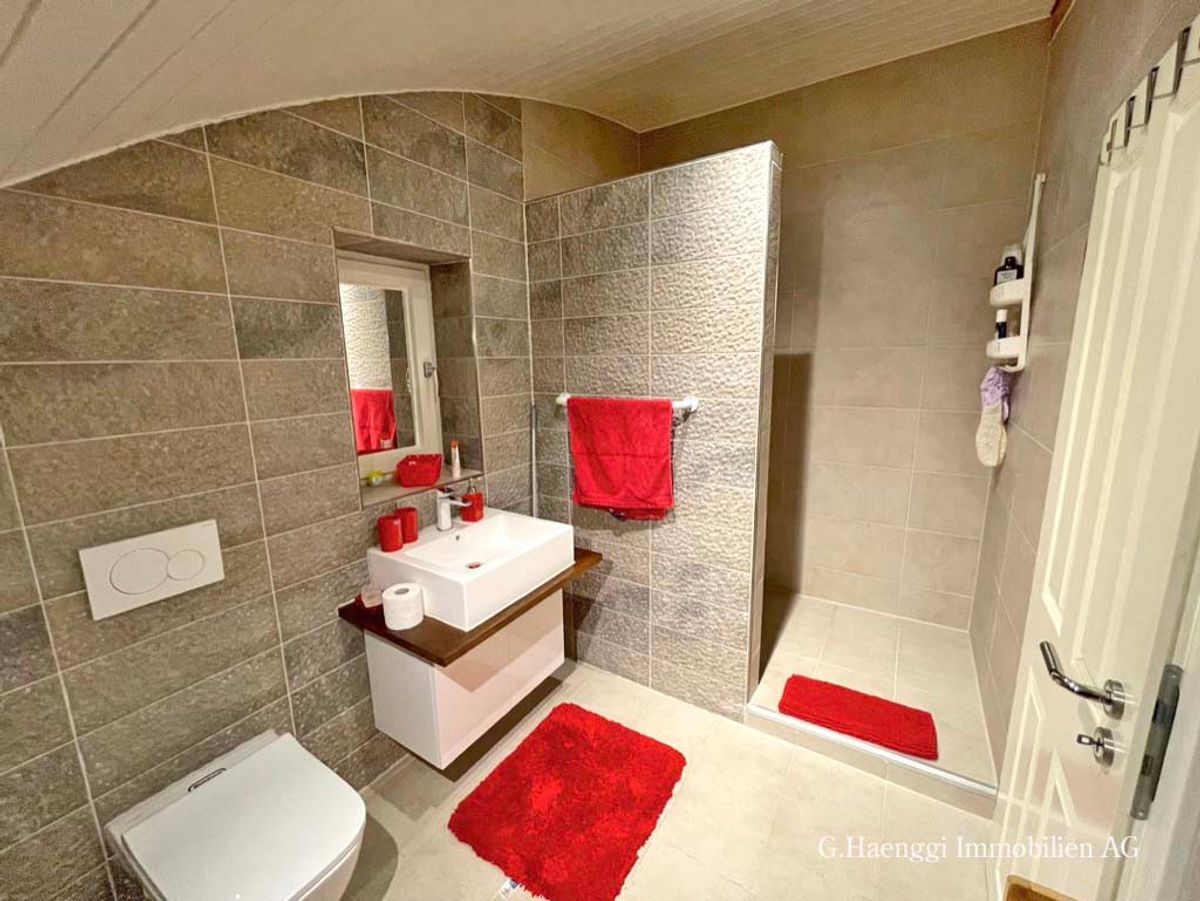
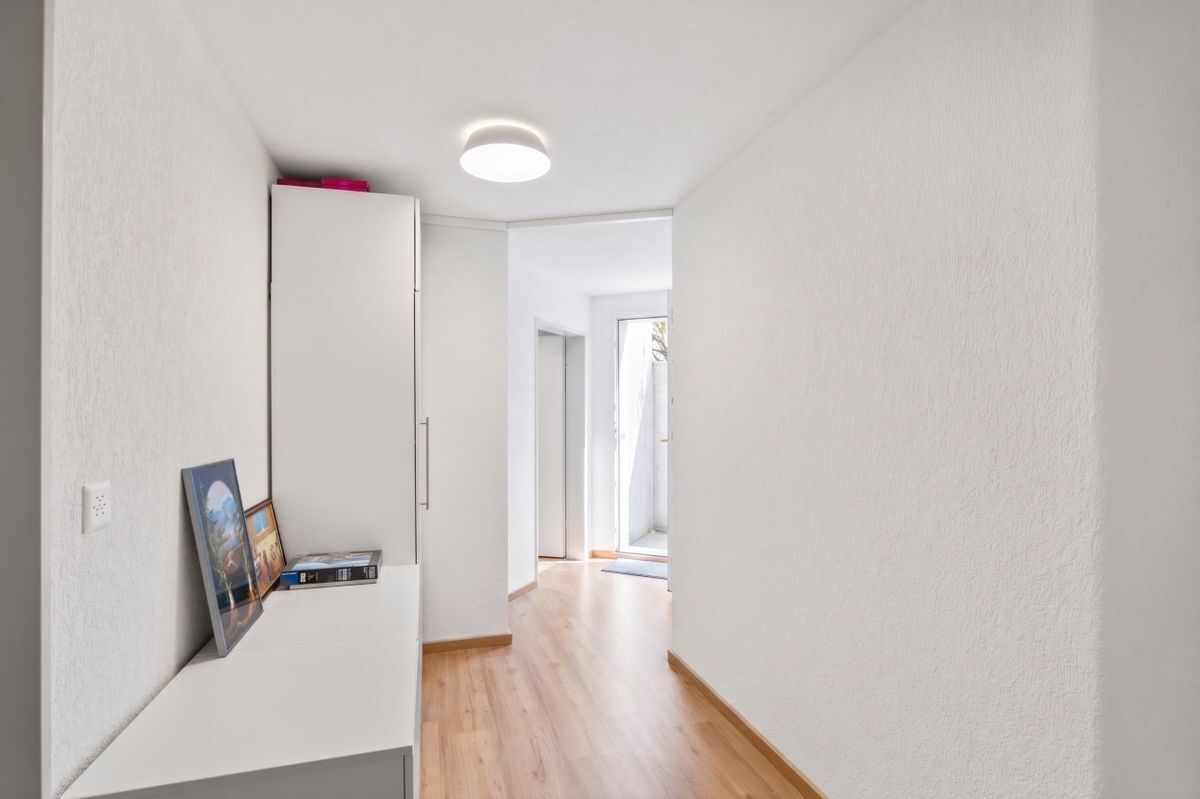
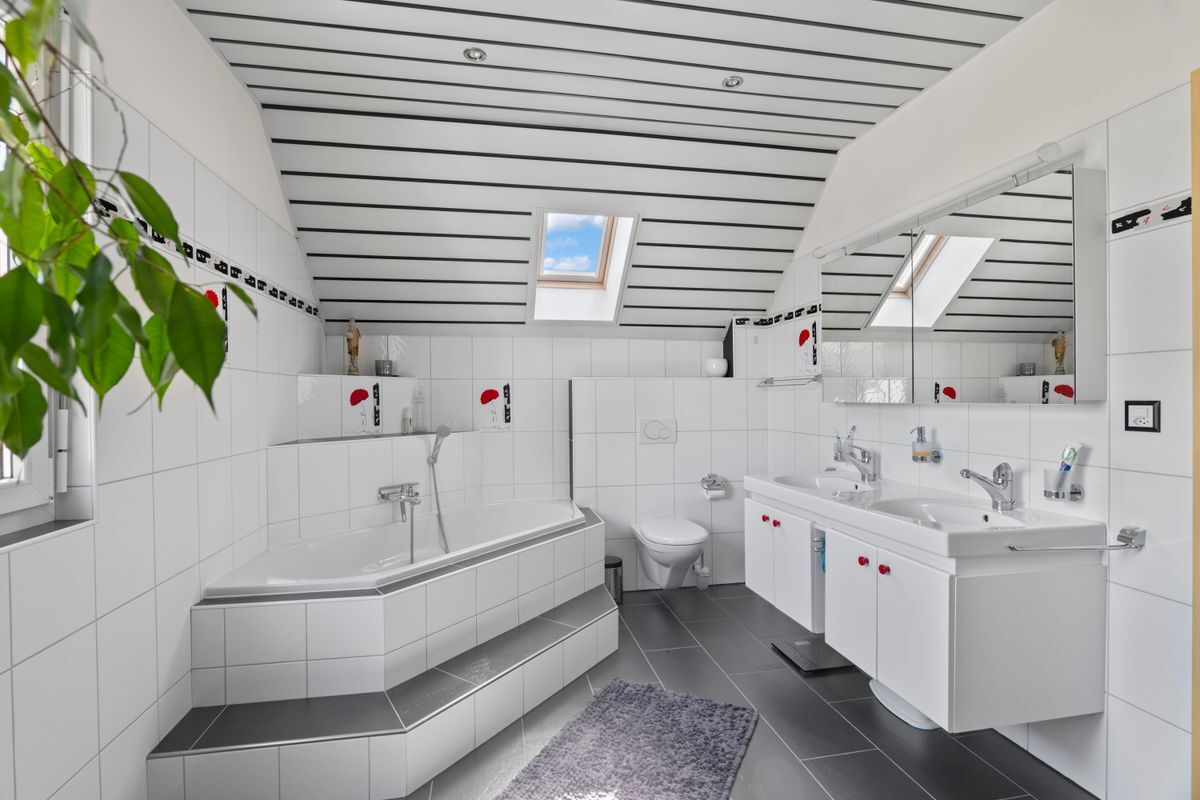
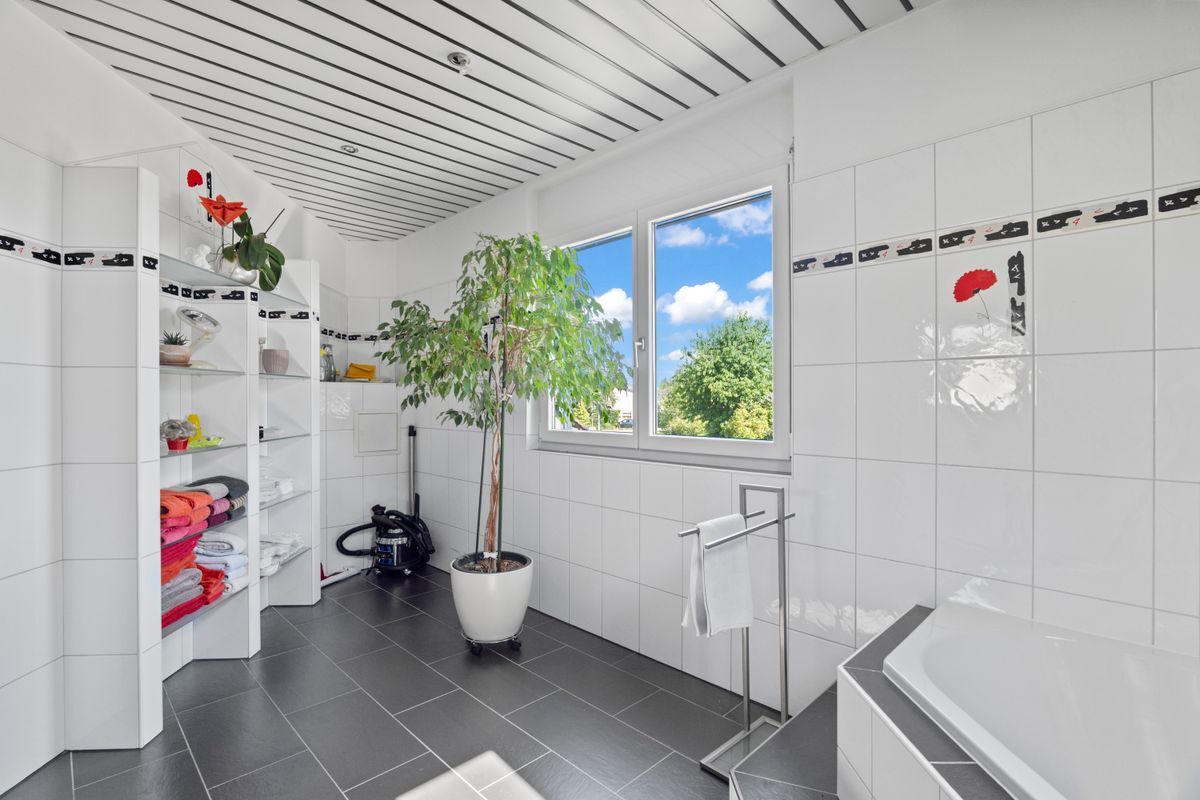
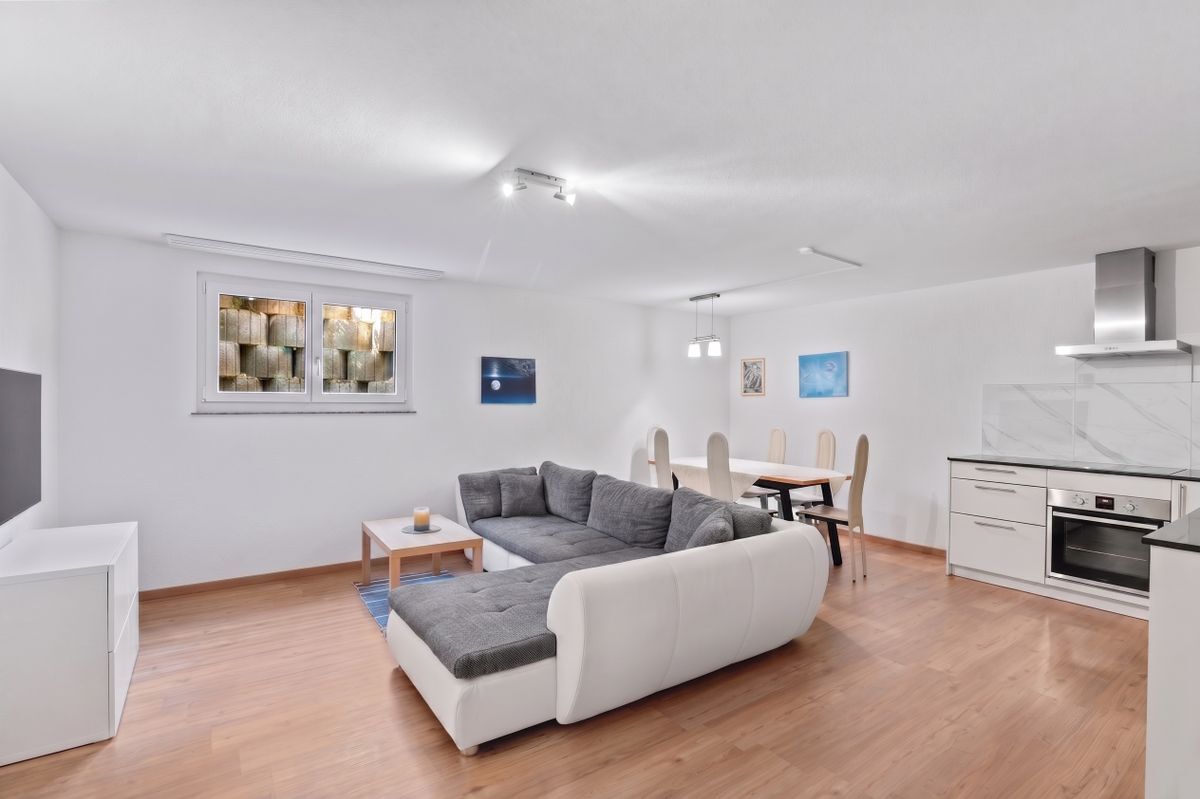
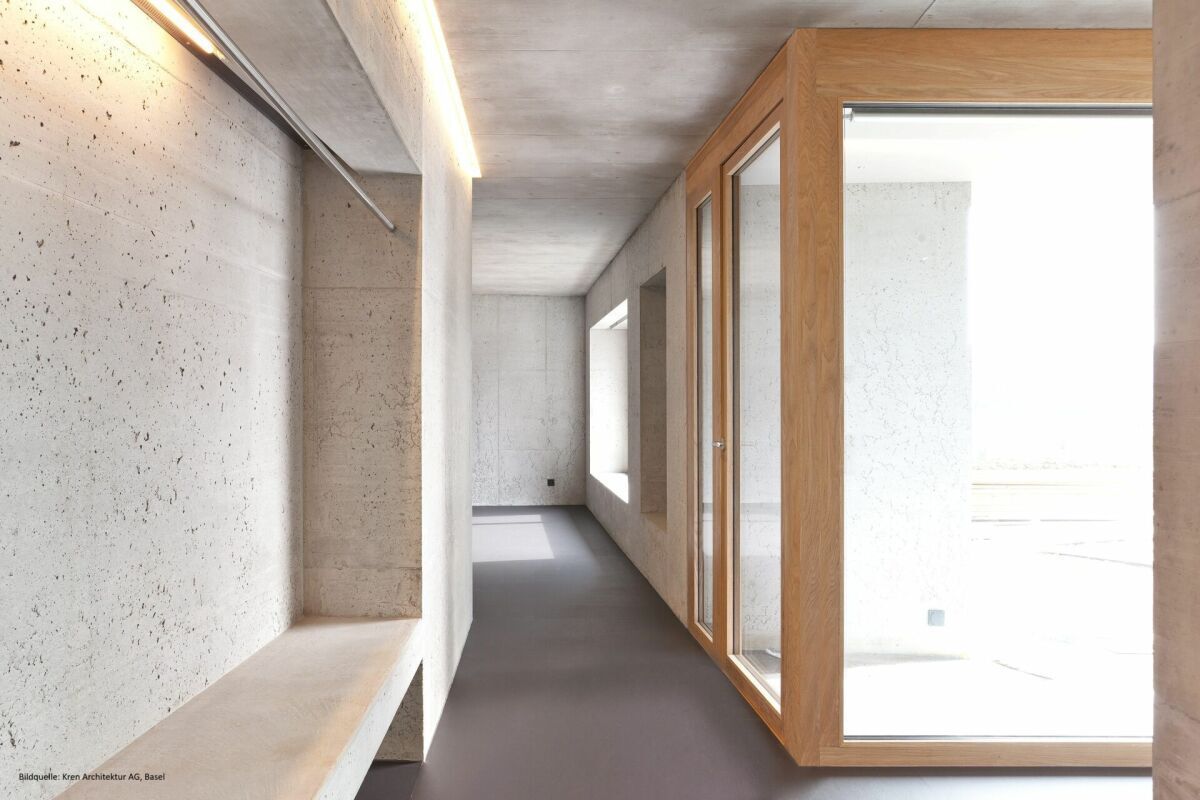
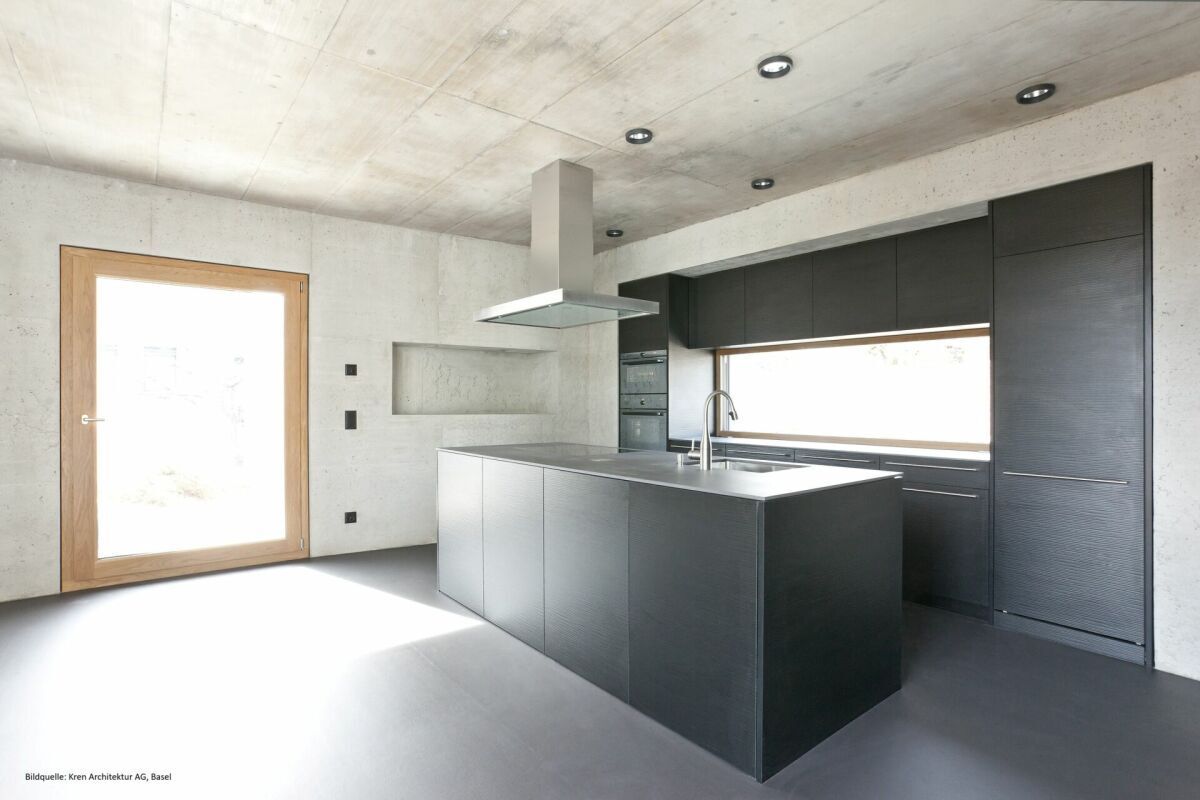
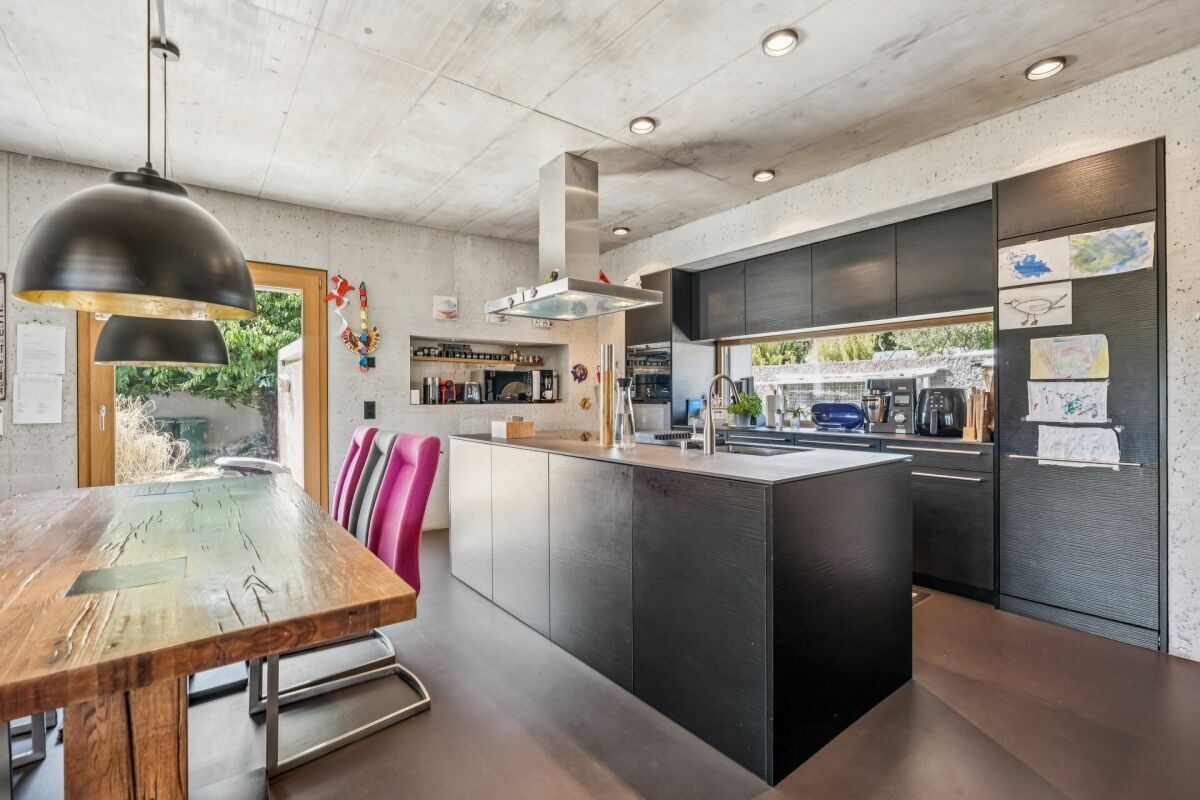
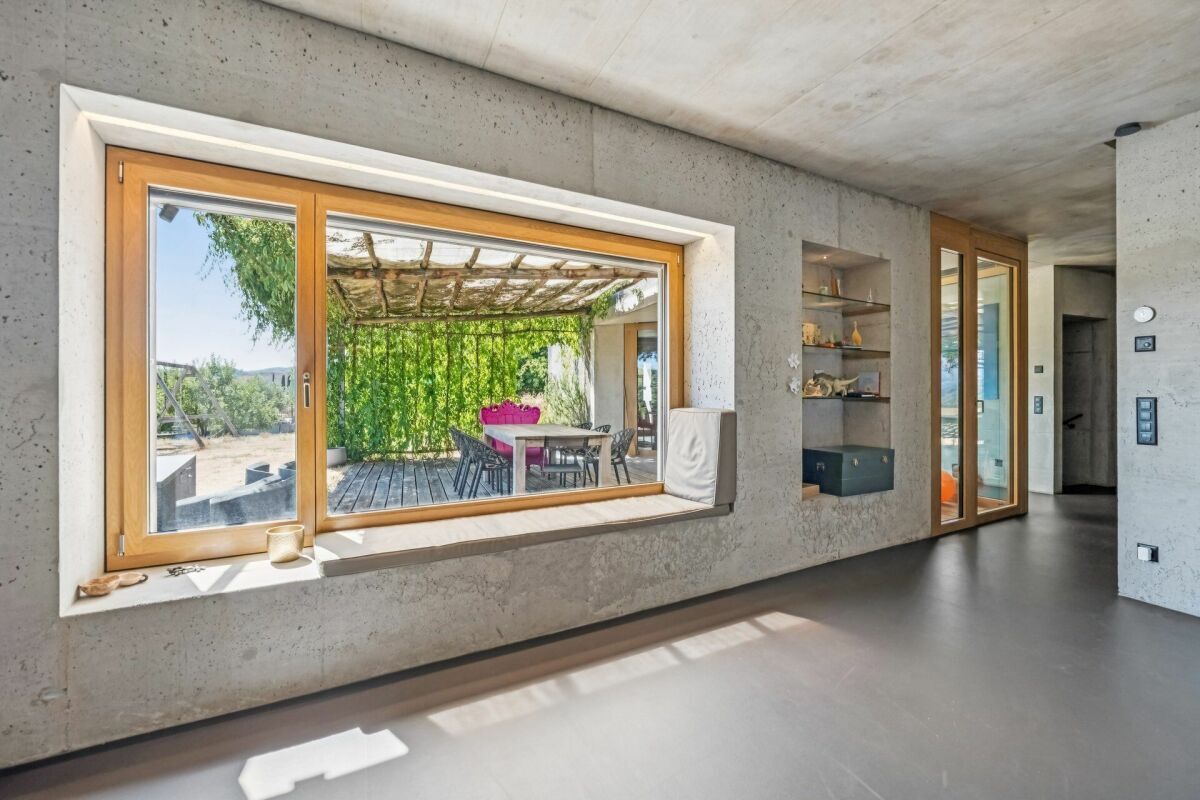
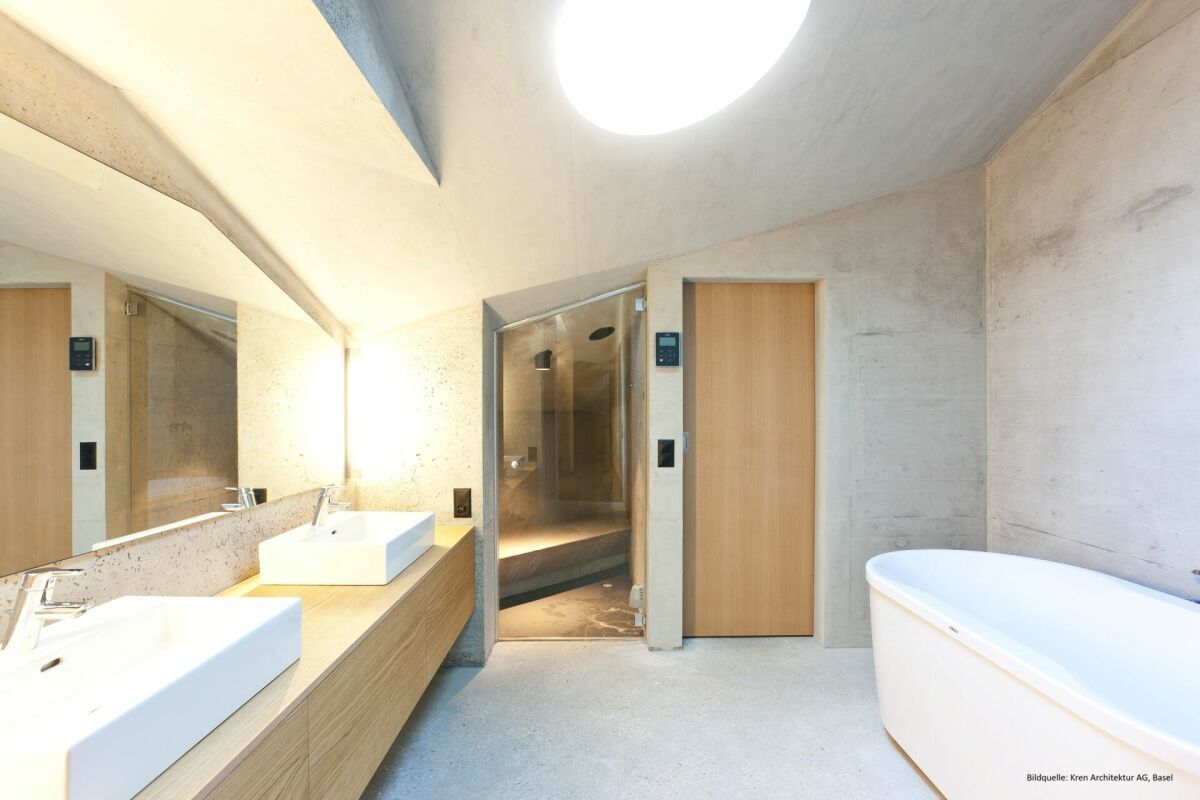
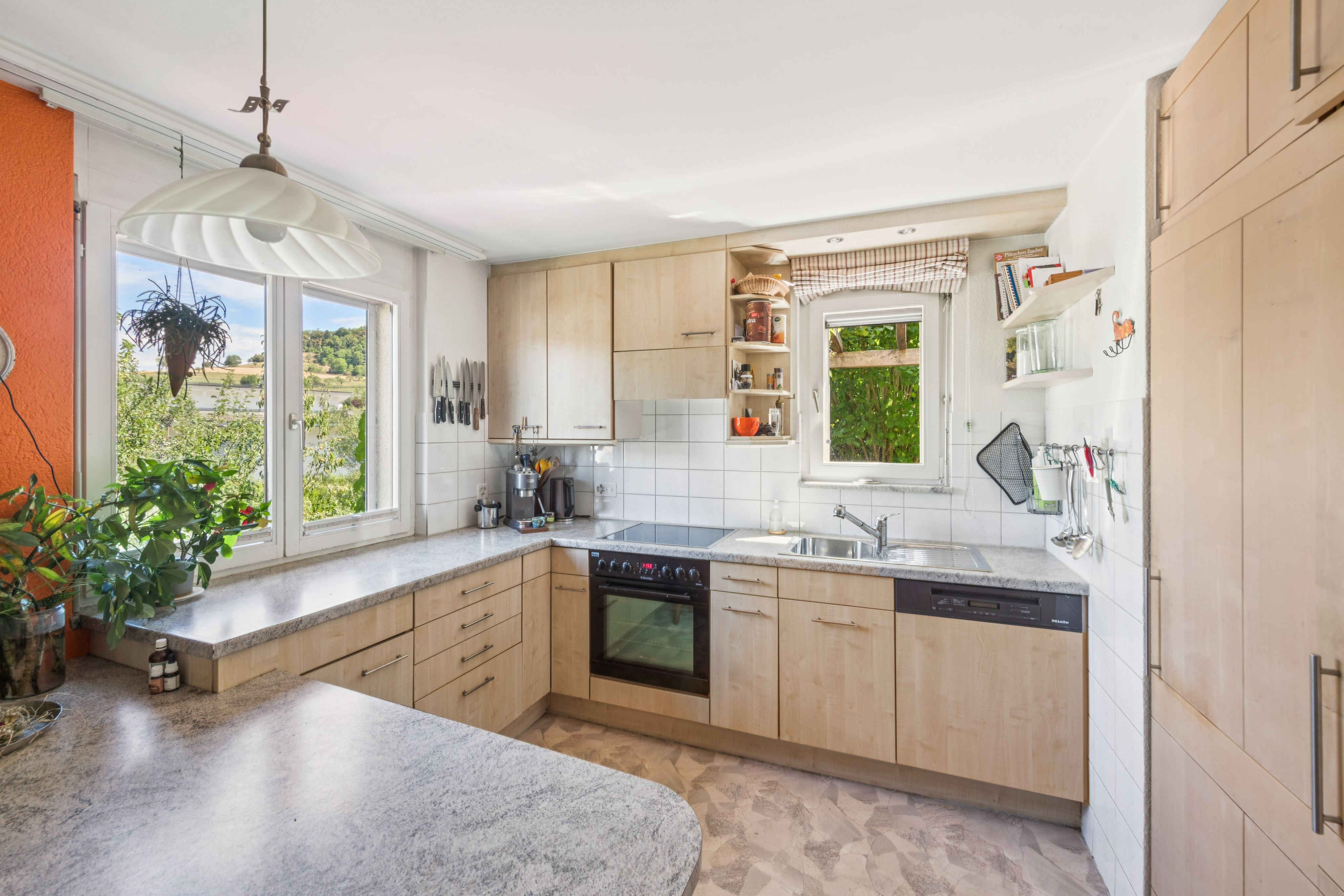
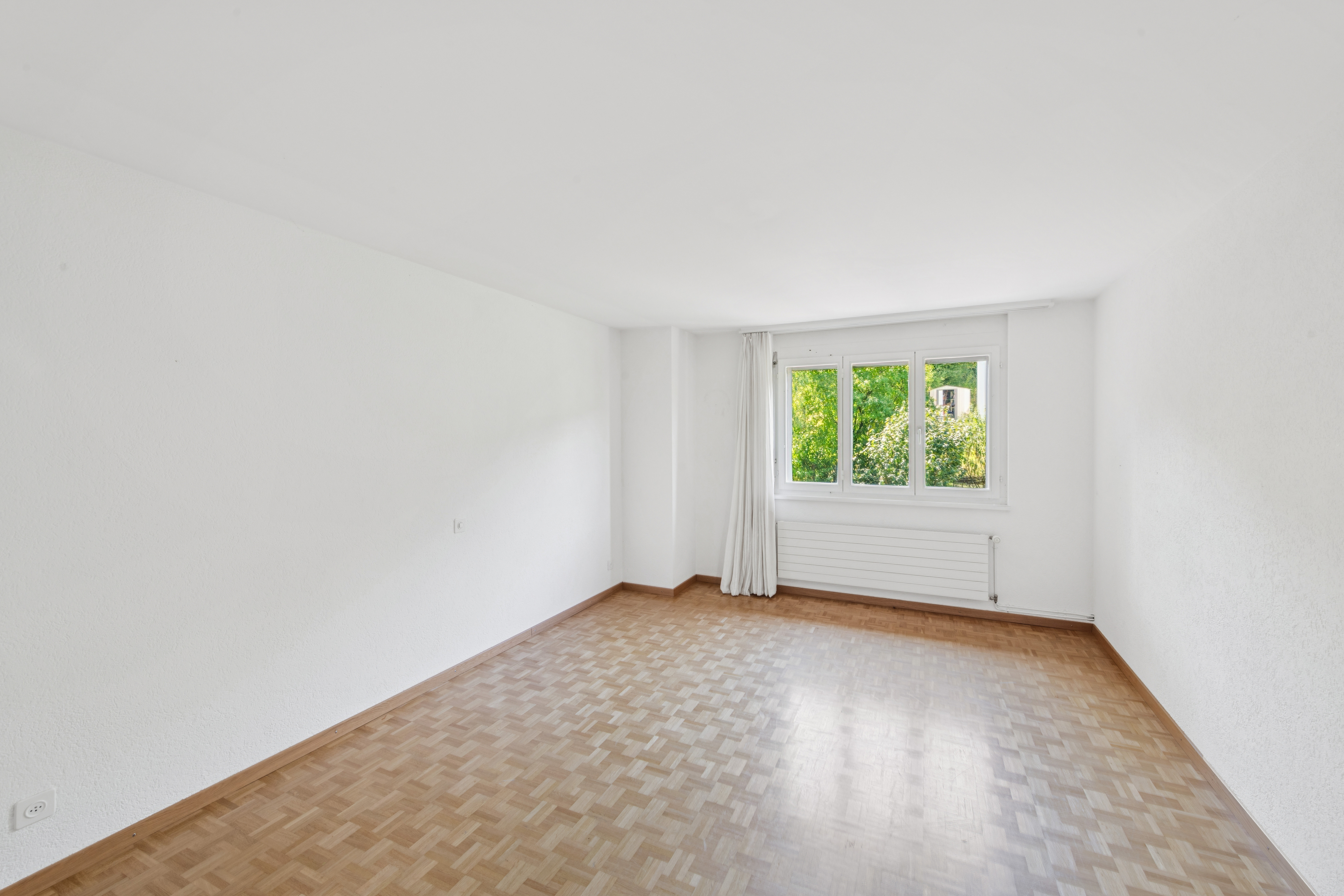
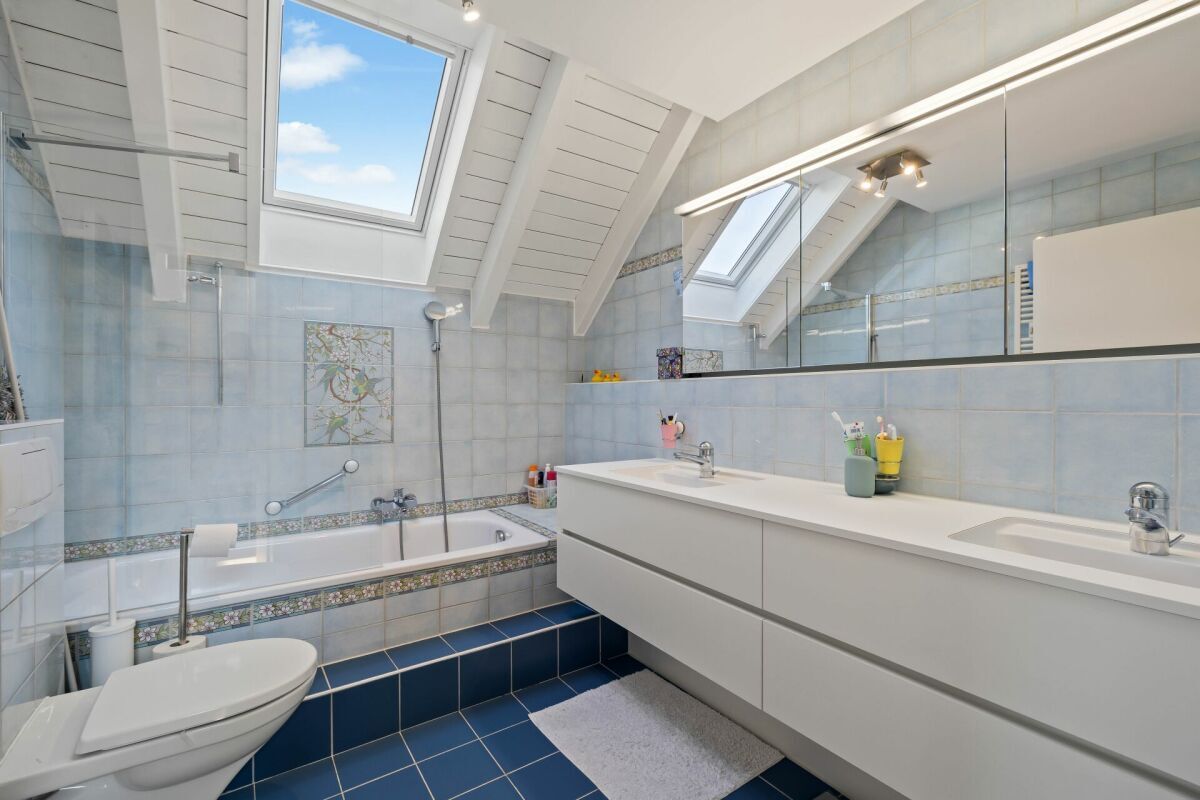
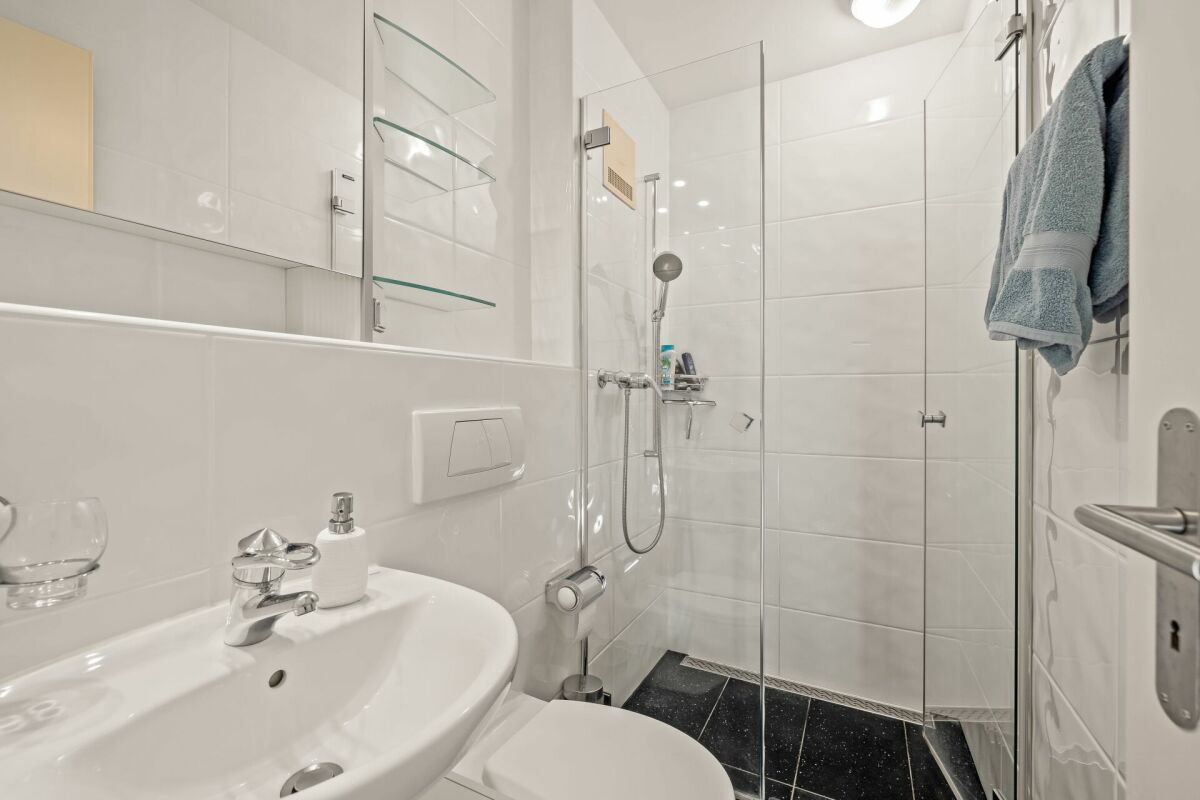
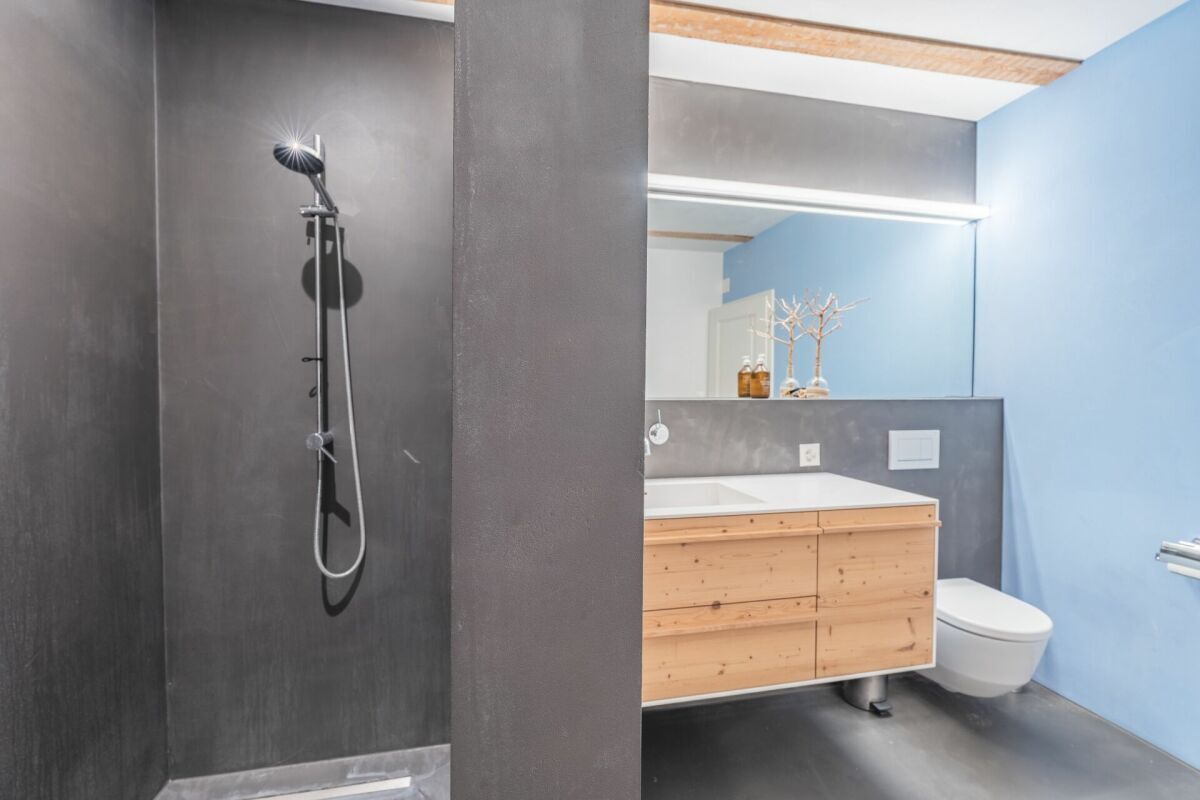
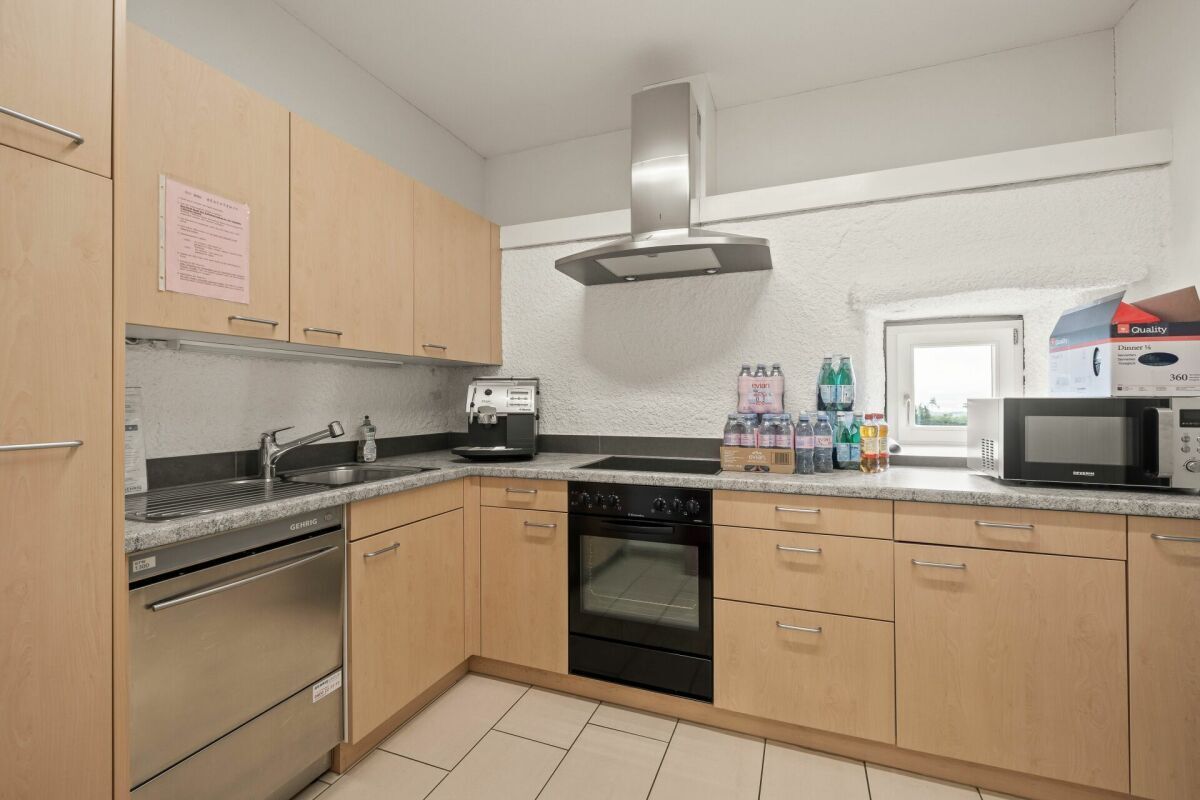
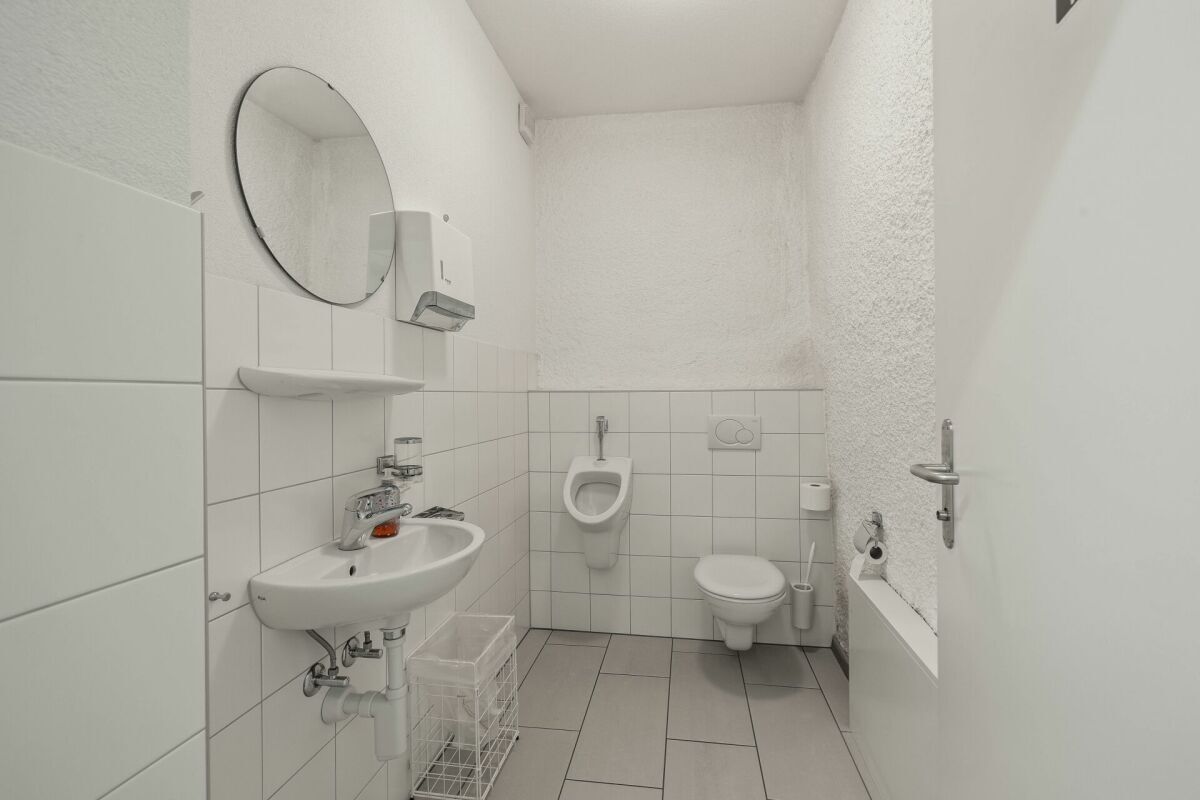
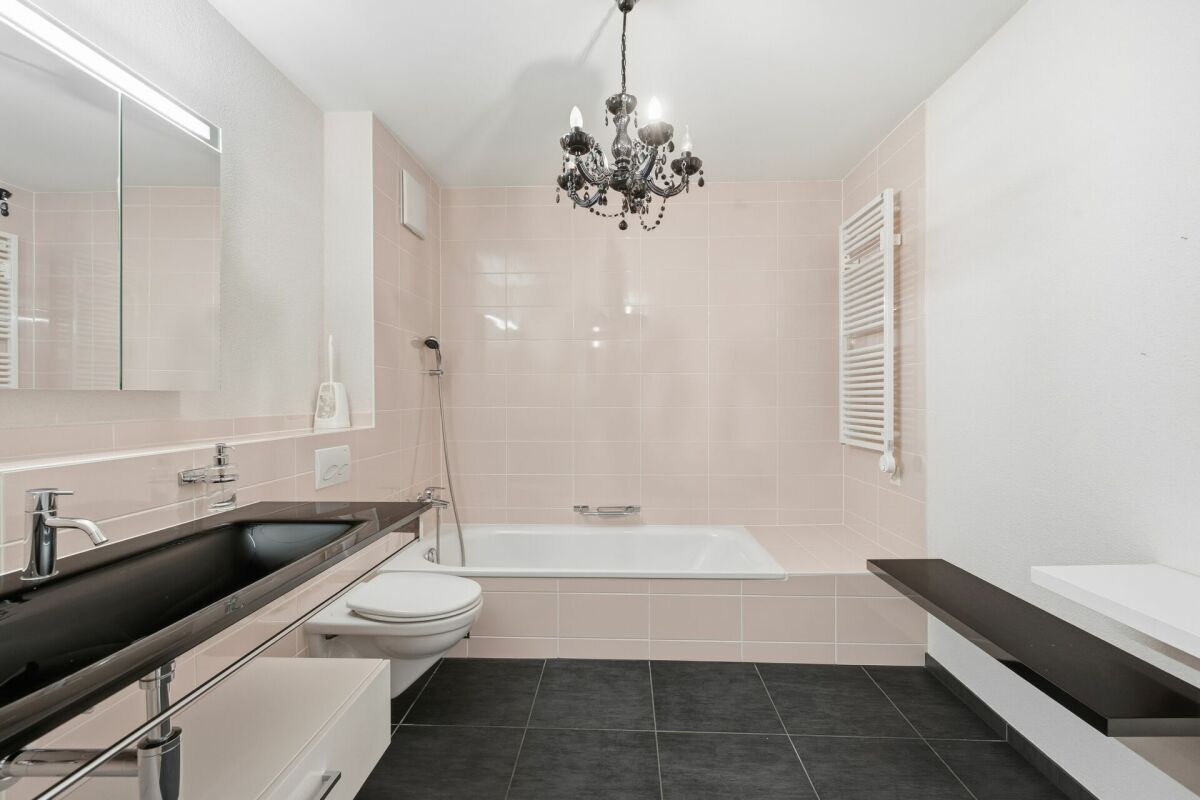
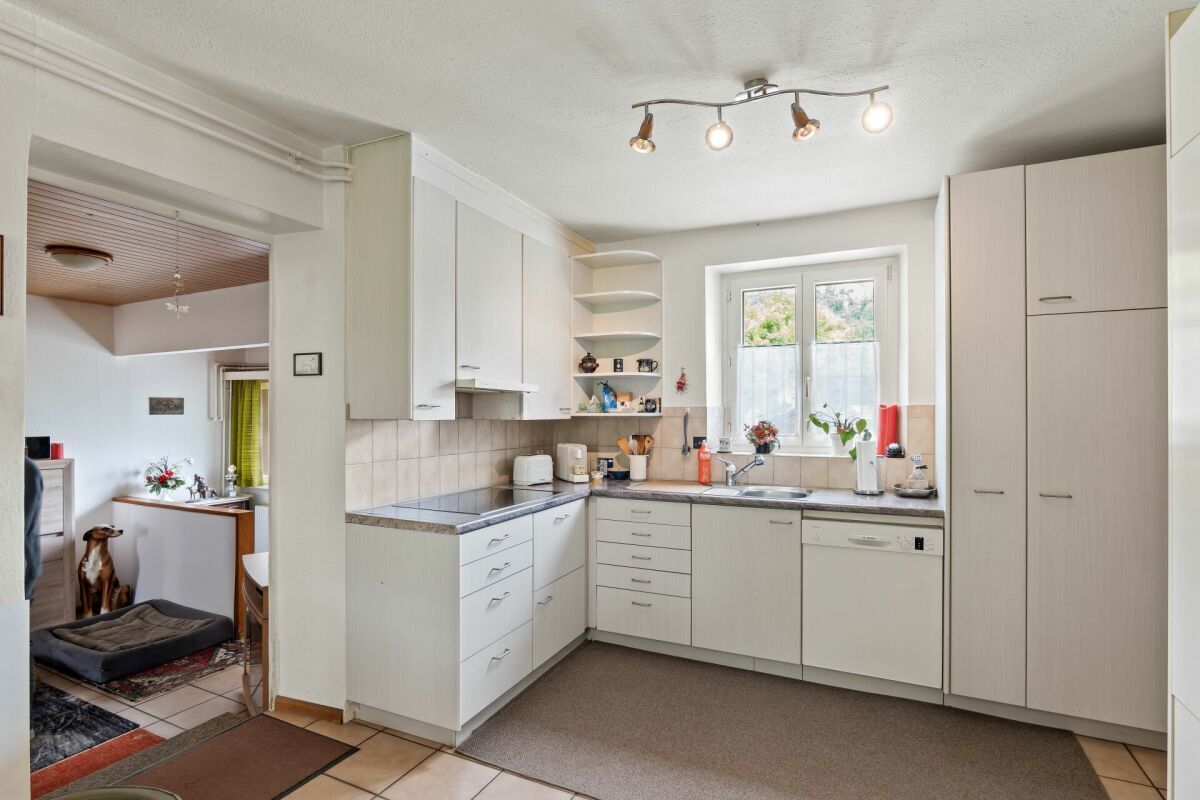
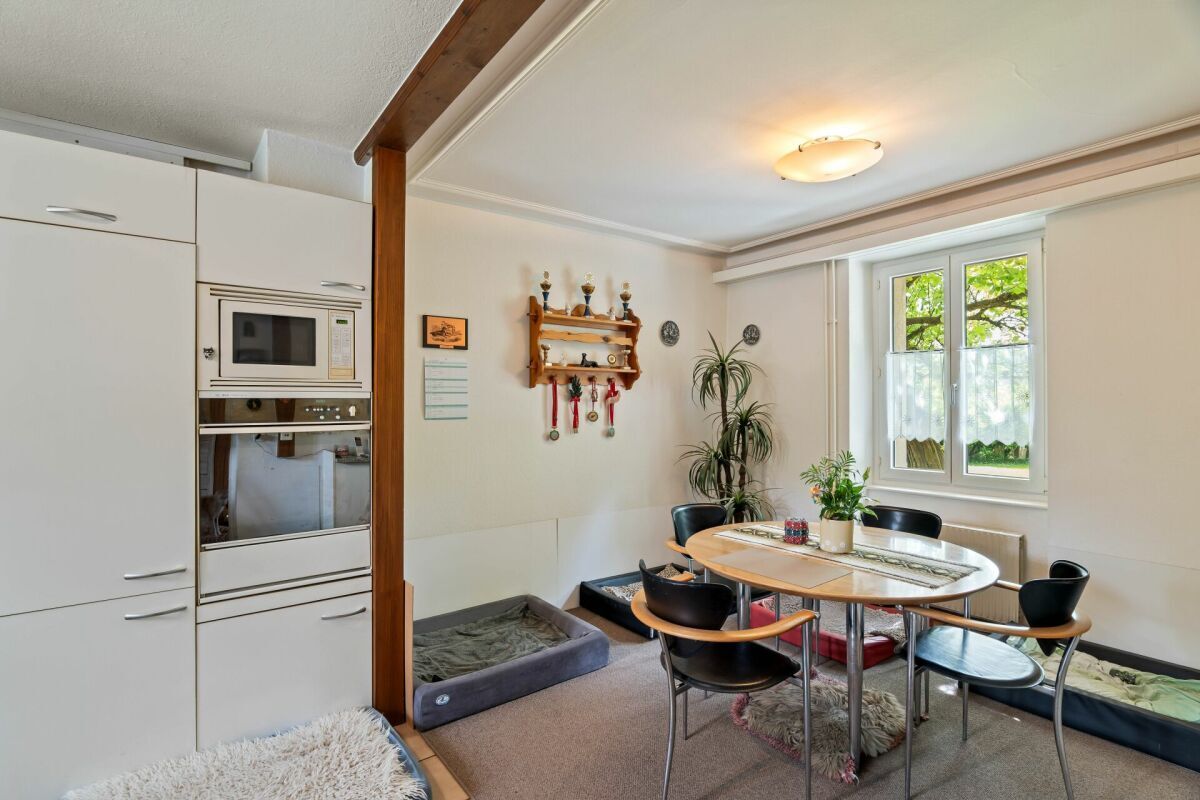
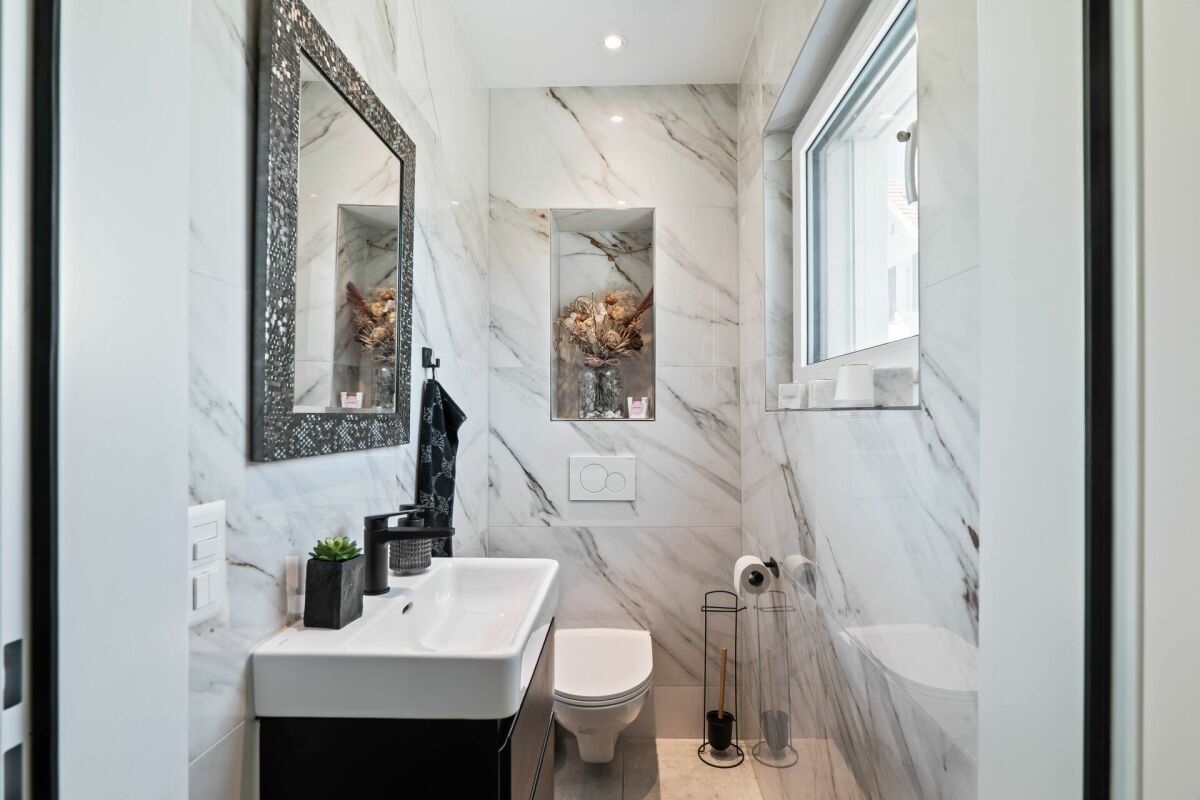
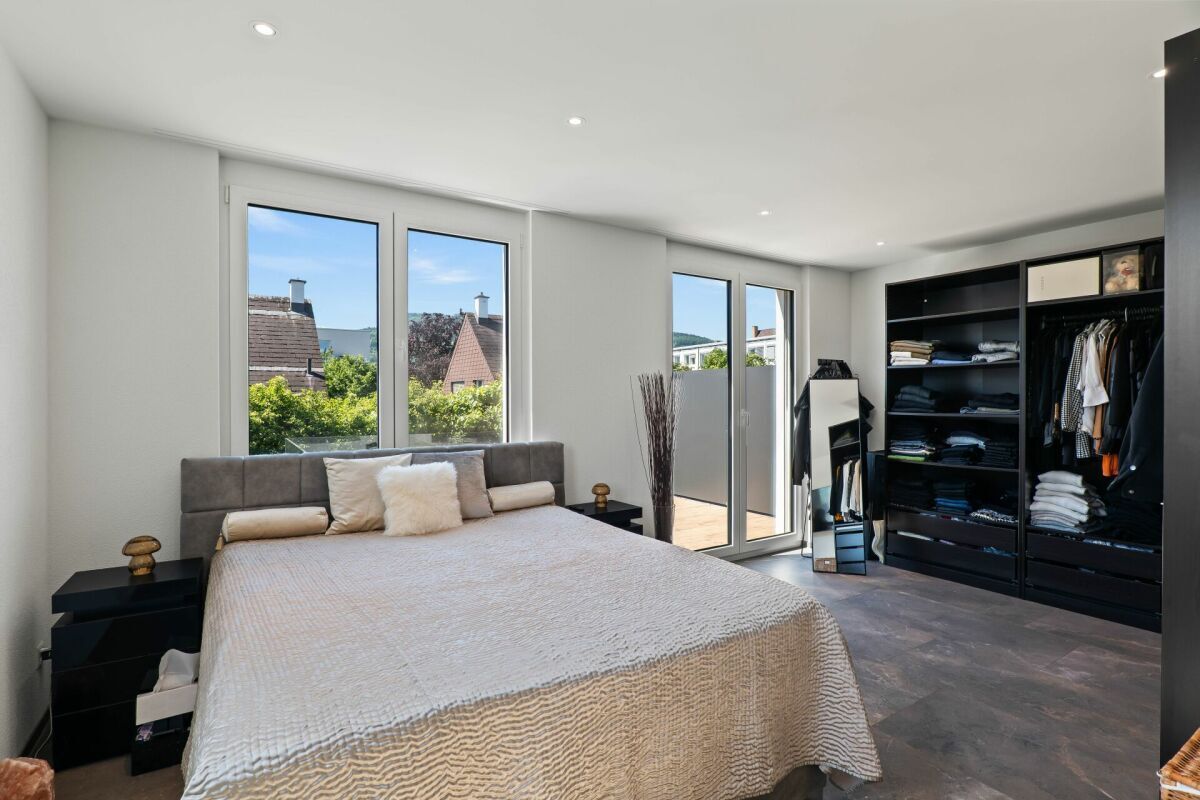
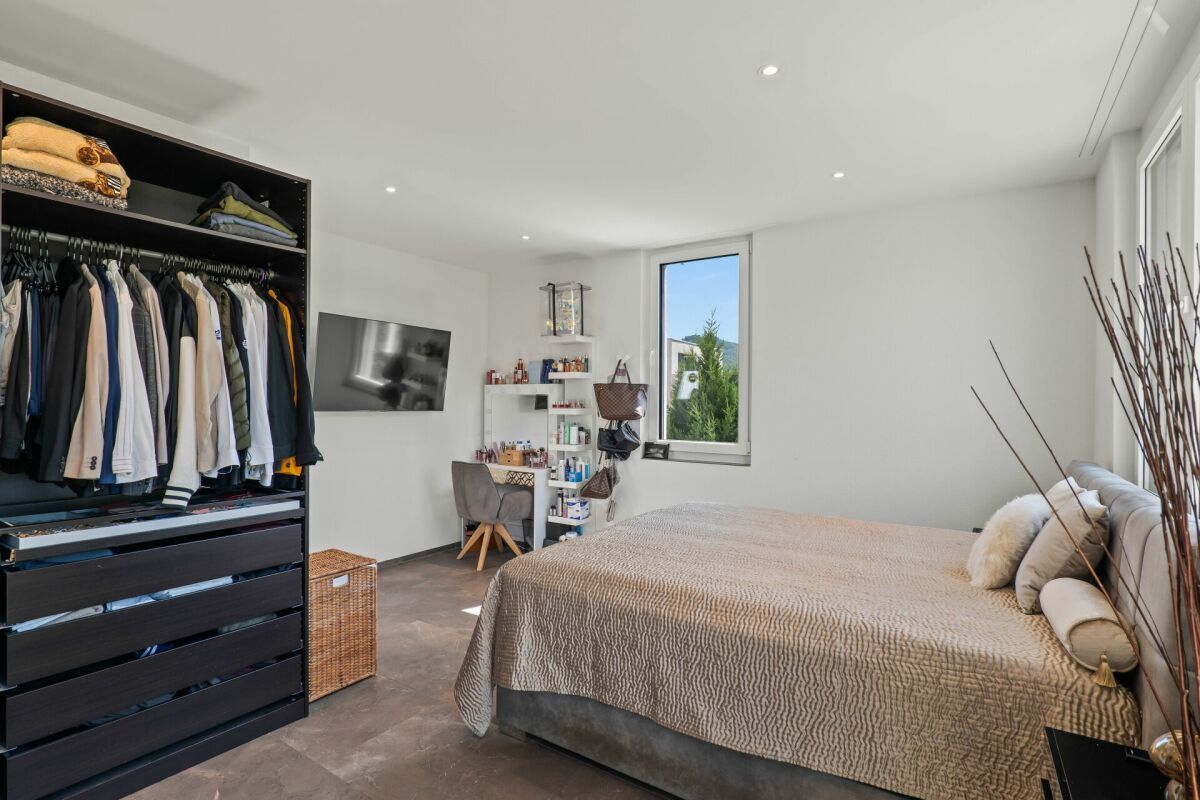
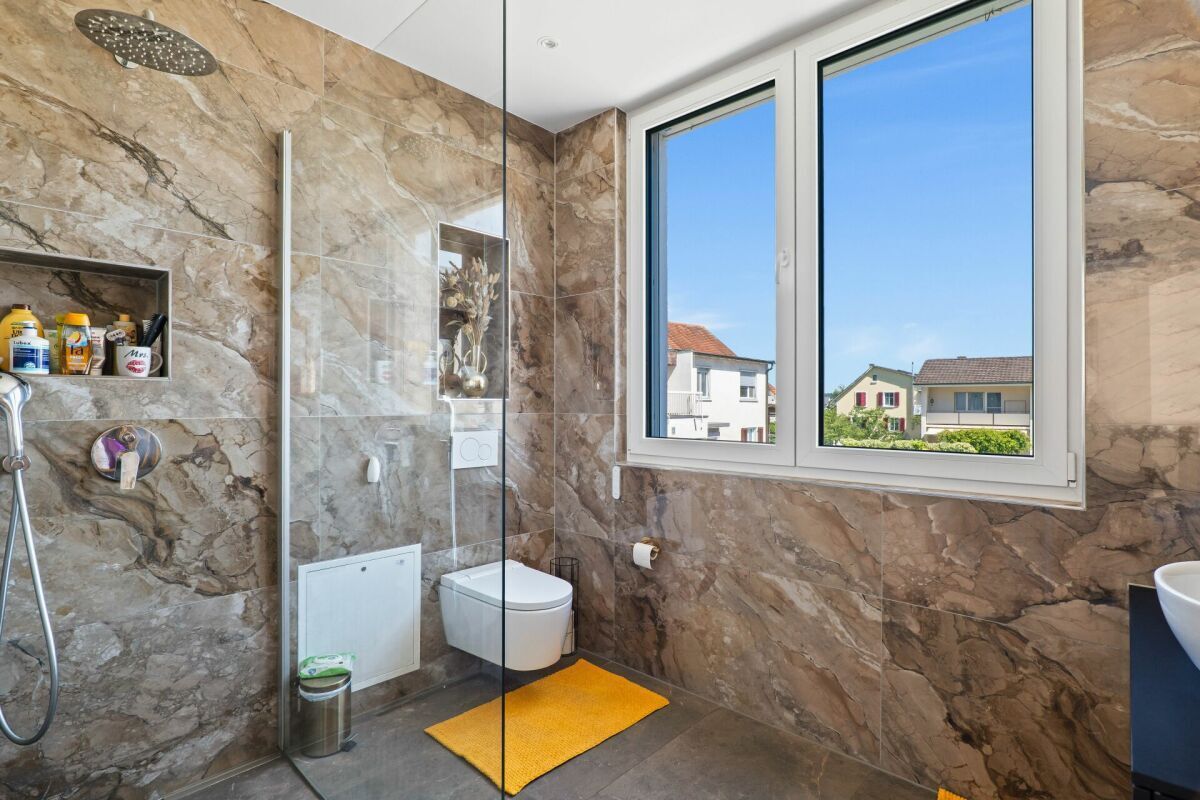
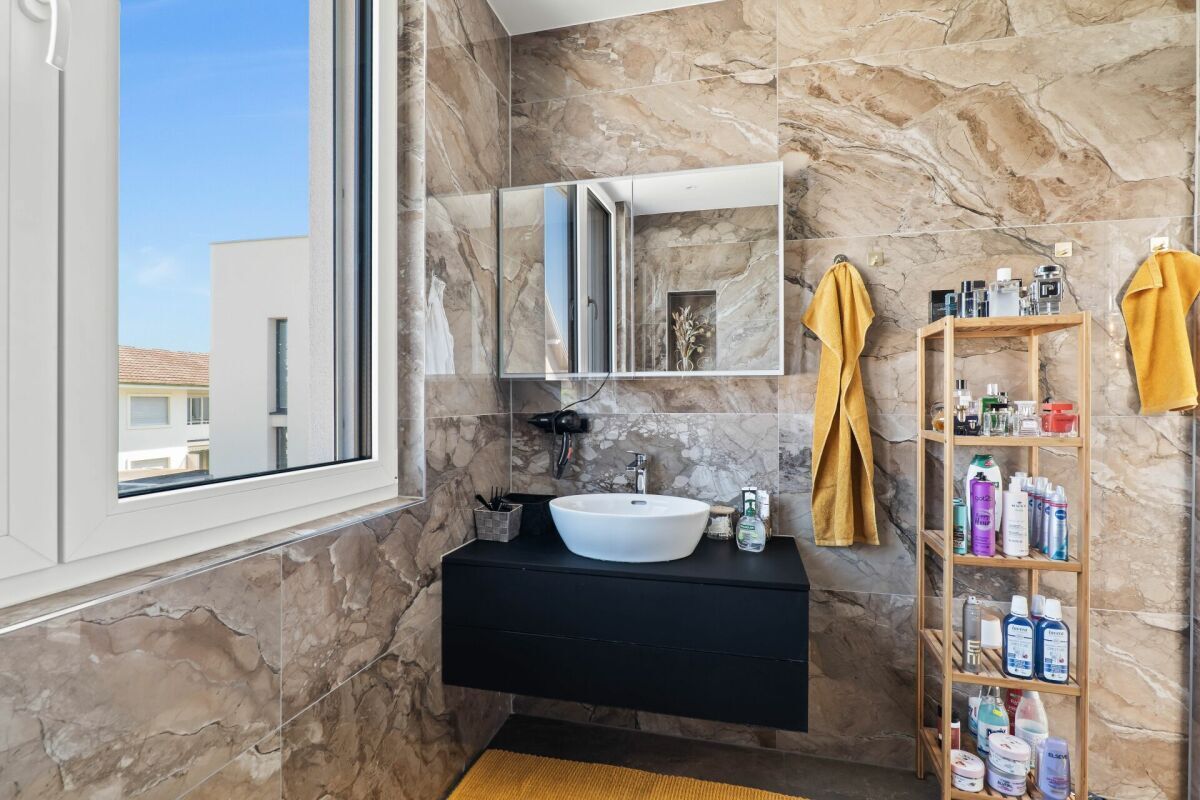
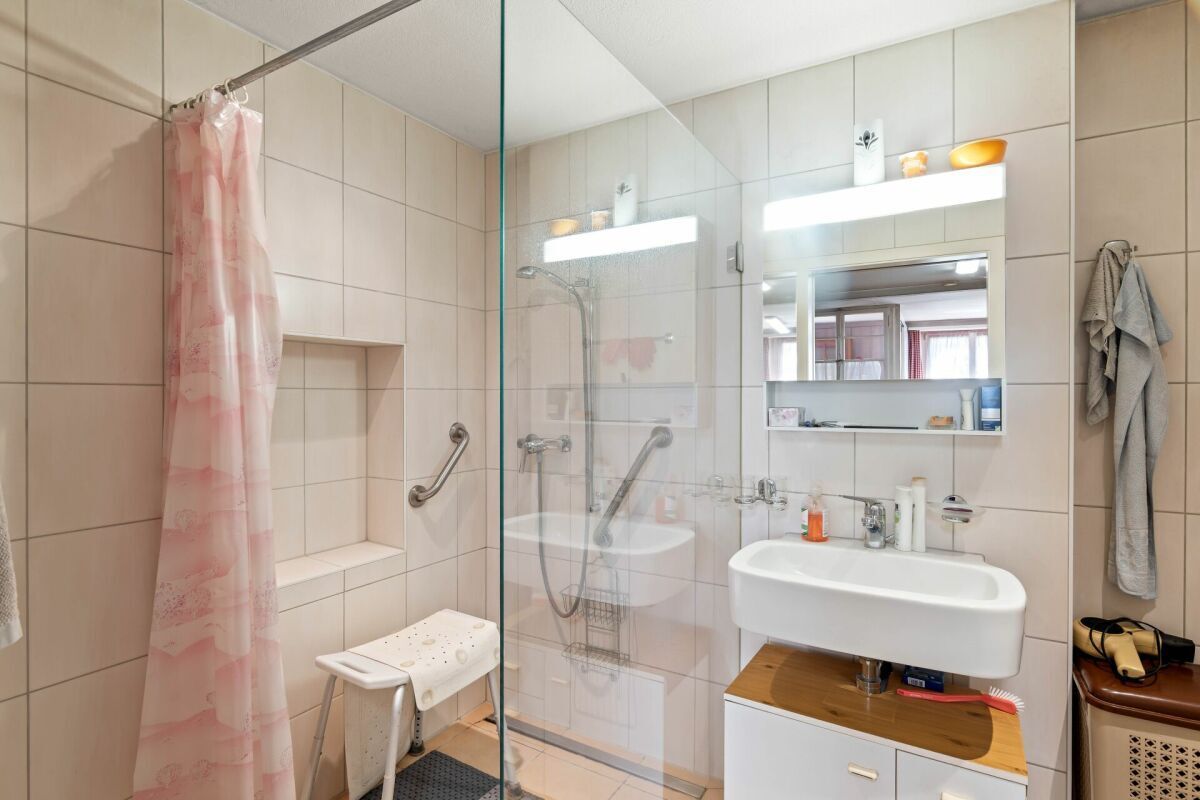
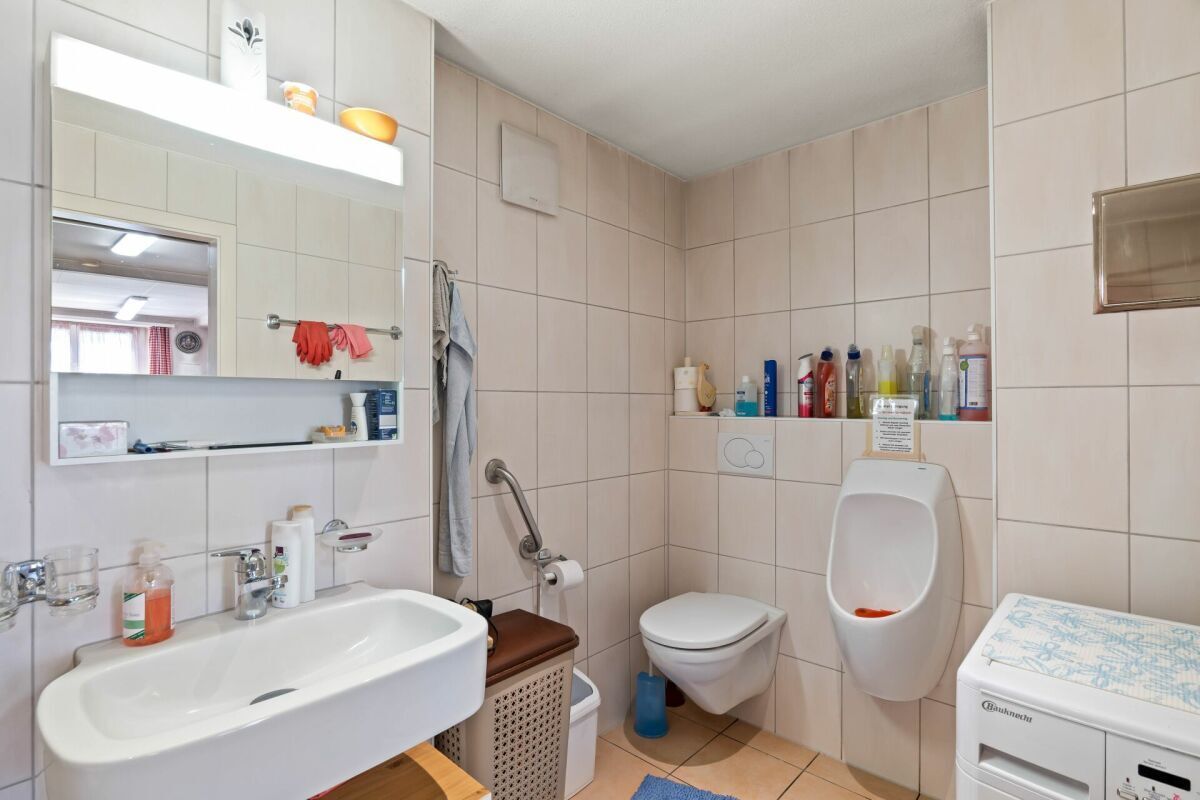
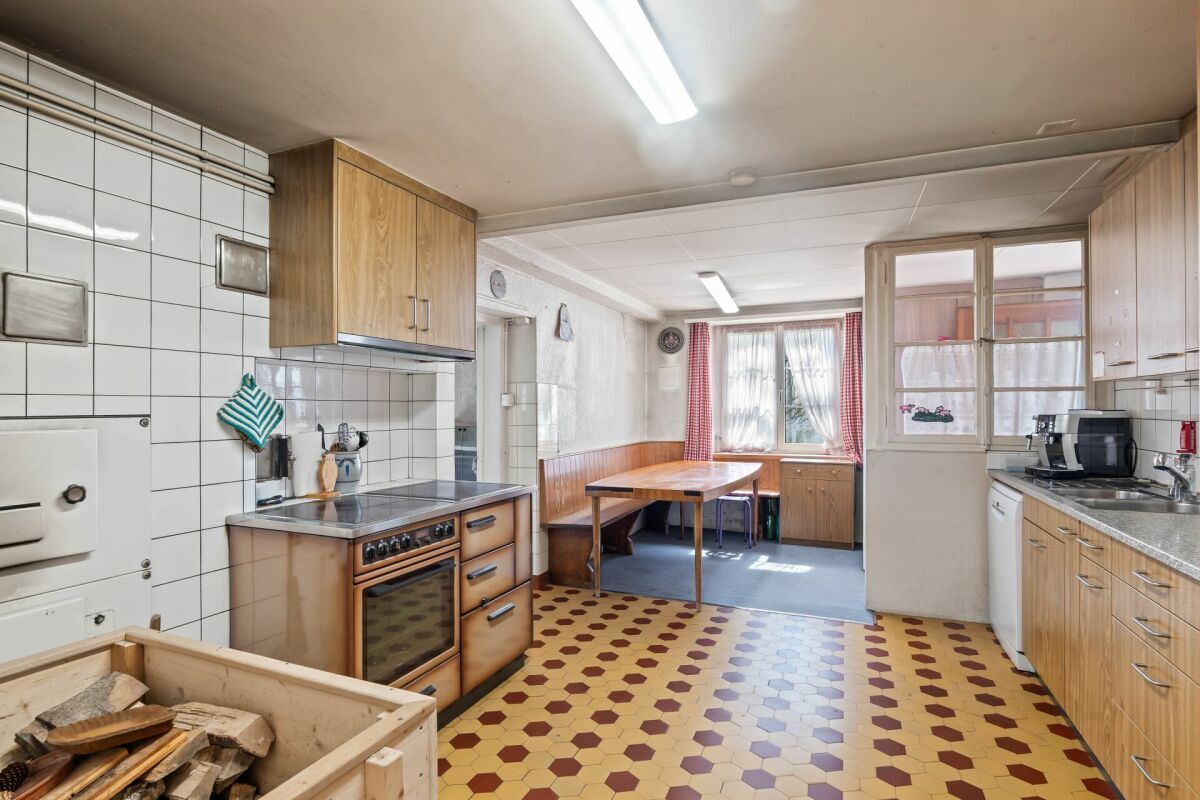
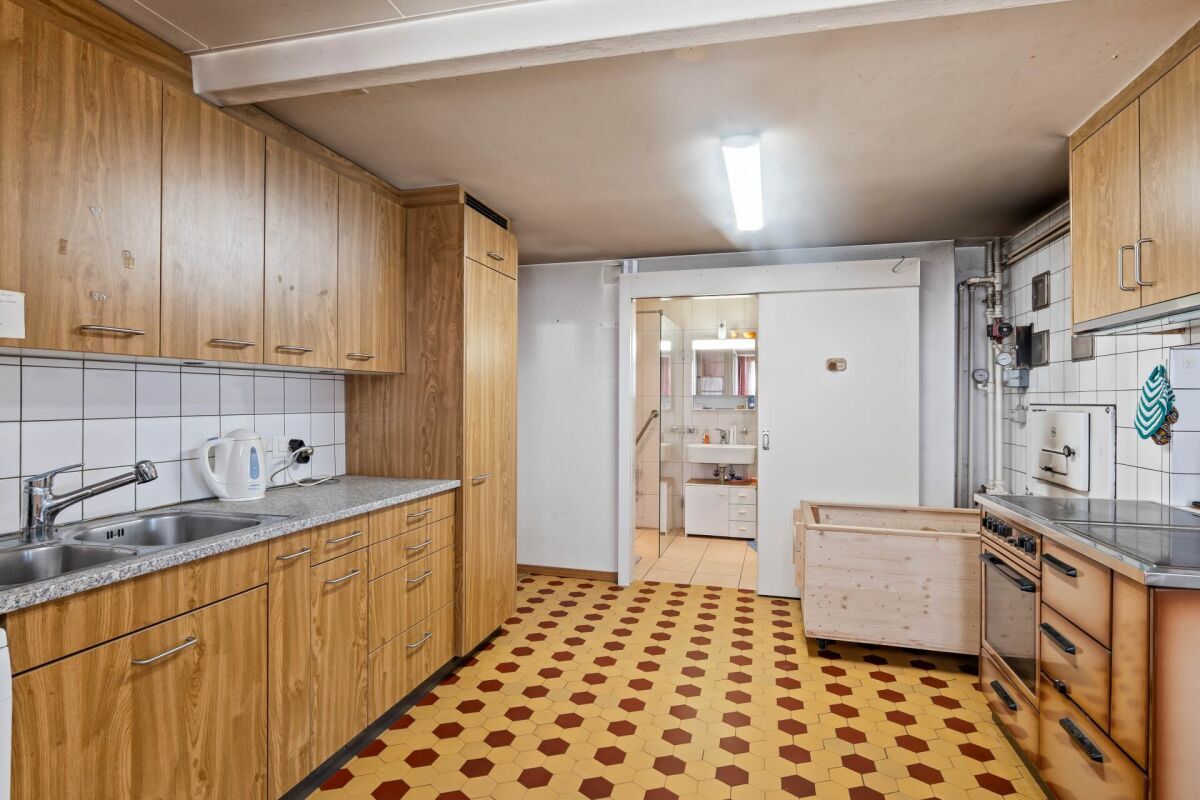
The property has been carefully renovated and maintained over the years. Important investments include the conversion and extension of the room and bathroom on the ground floor in 2012, which also involved renovating the façade and electrical system (renovation costs: approx. CHF 330,000), the expansion of the stable and water pipes (1990), the installation of an electric gate (1990) and the replacement of windows in the living and sleeping areas (1990). This has enabled the functionality to be continuously modernized without losing its historical character.
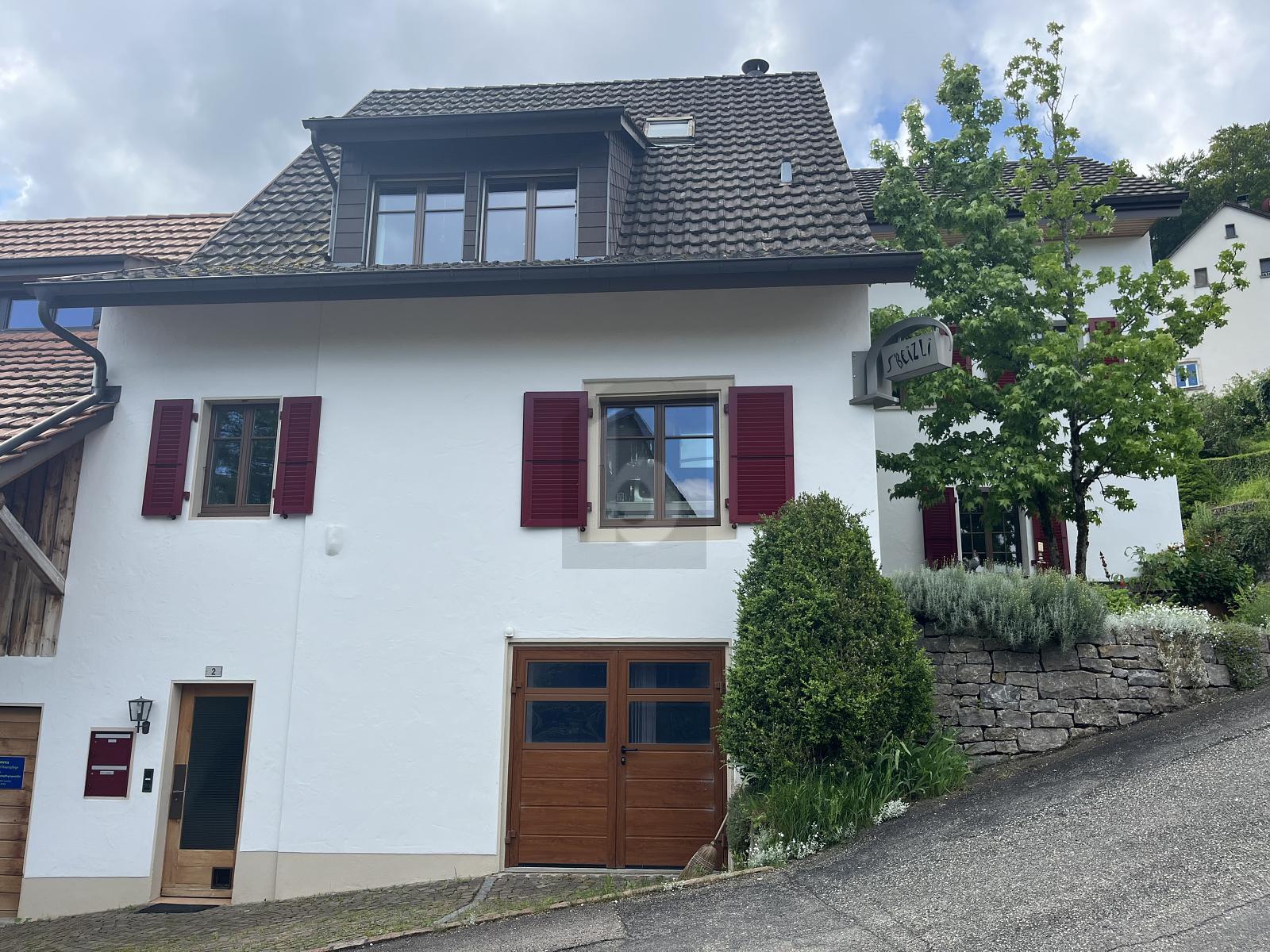
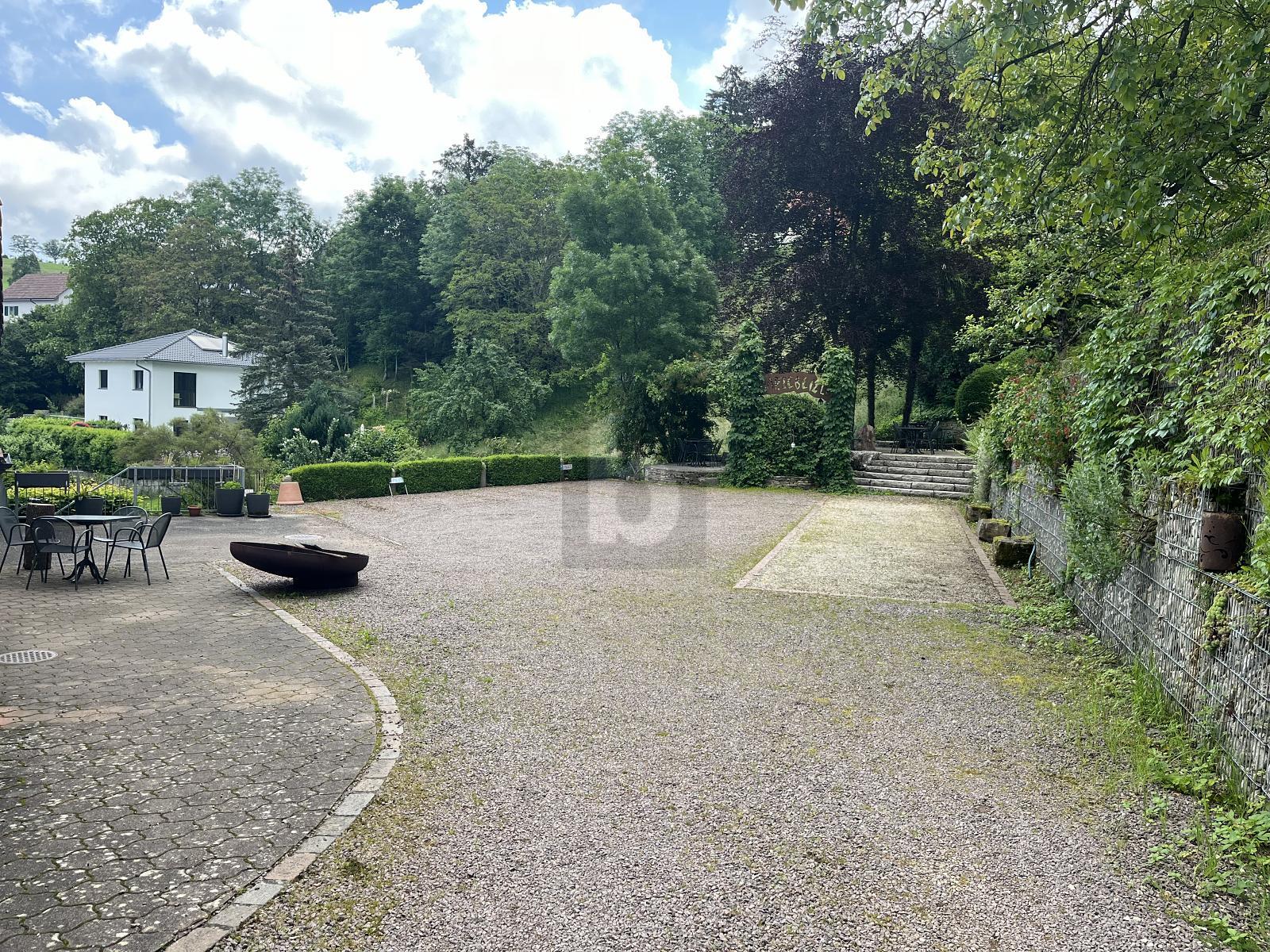
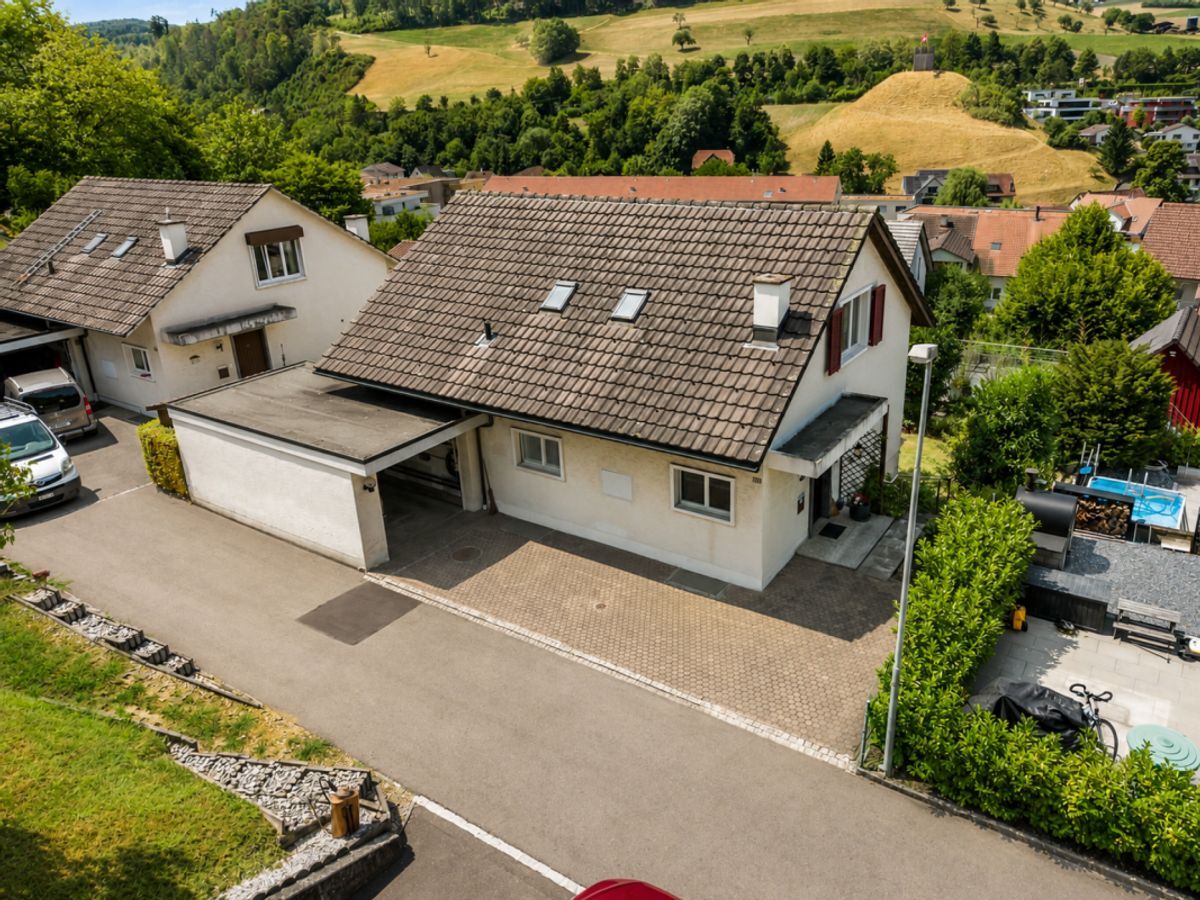
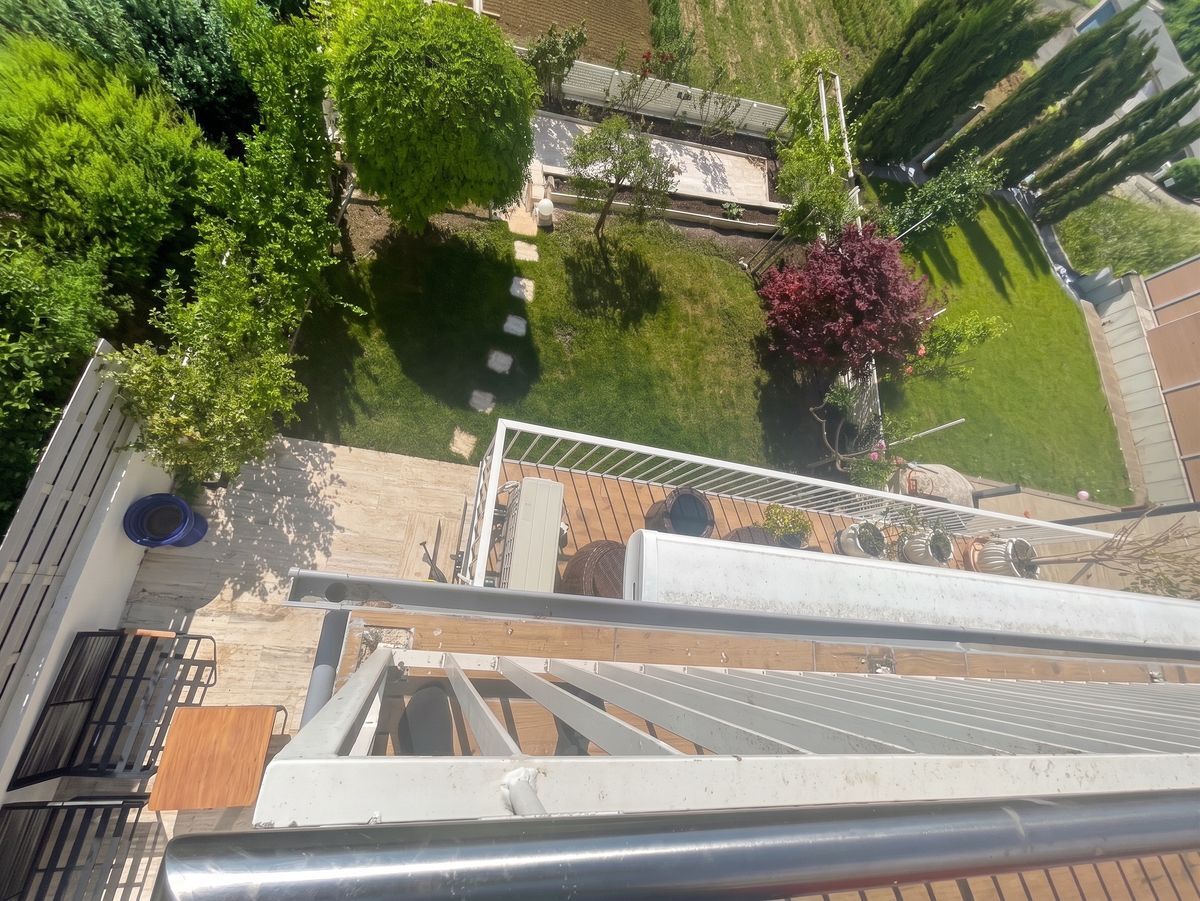
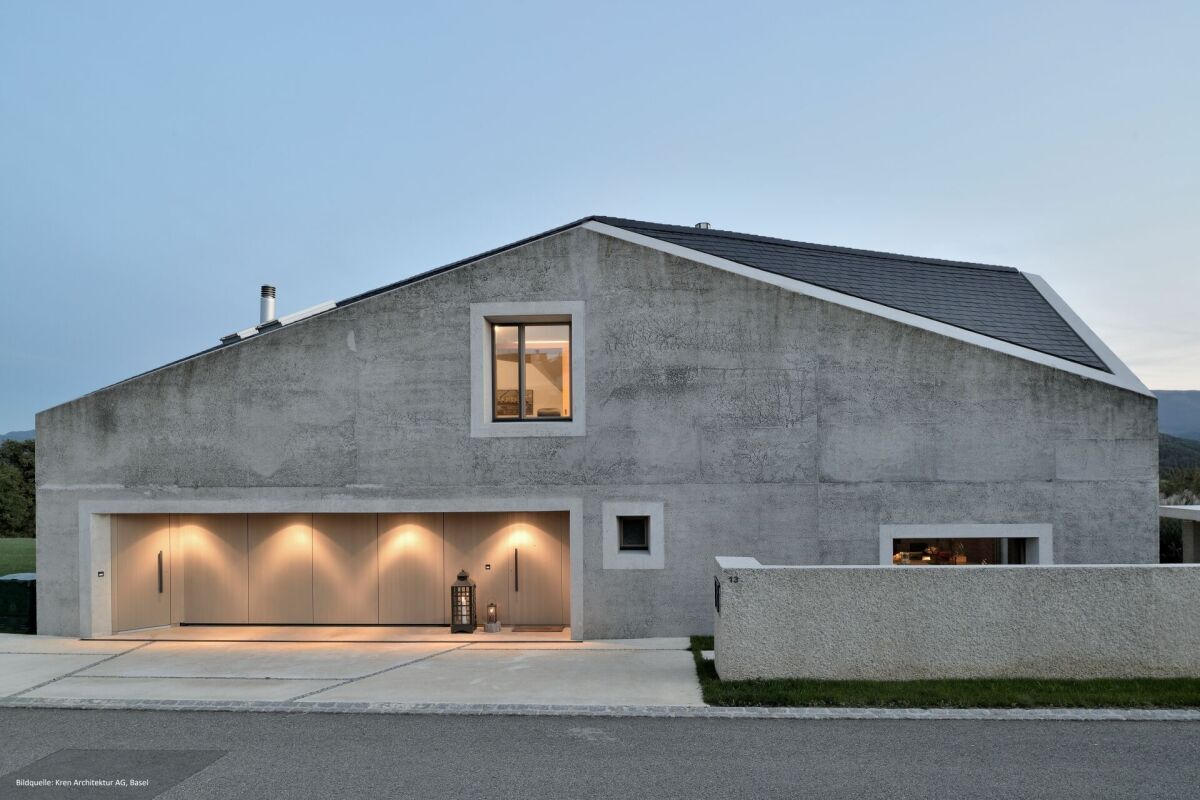
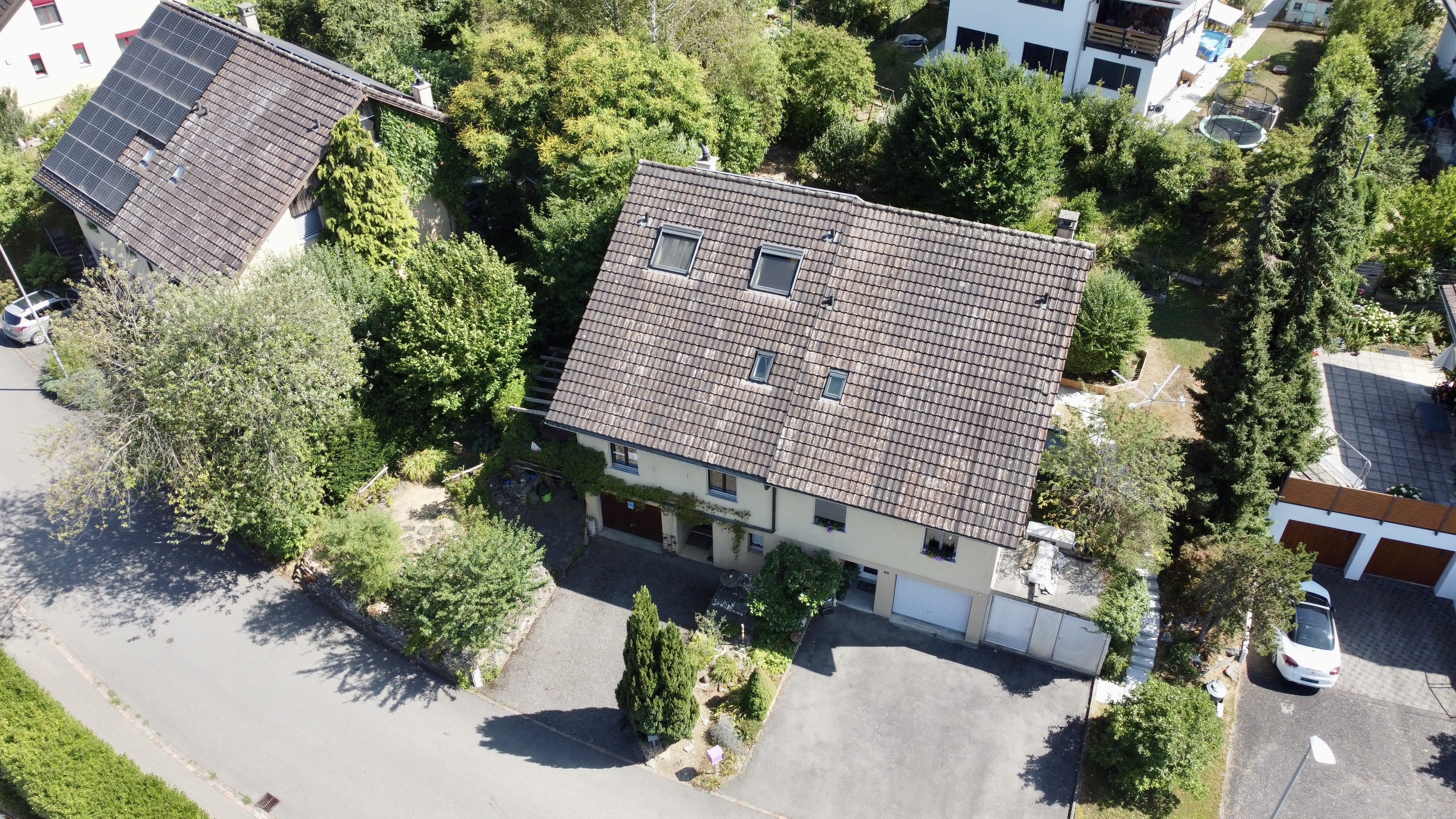
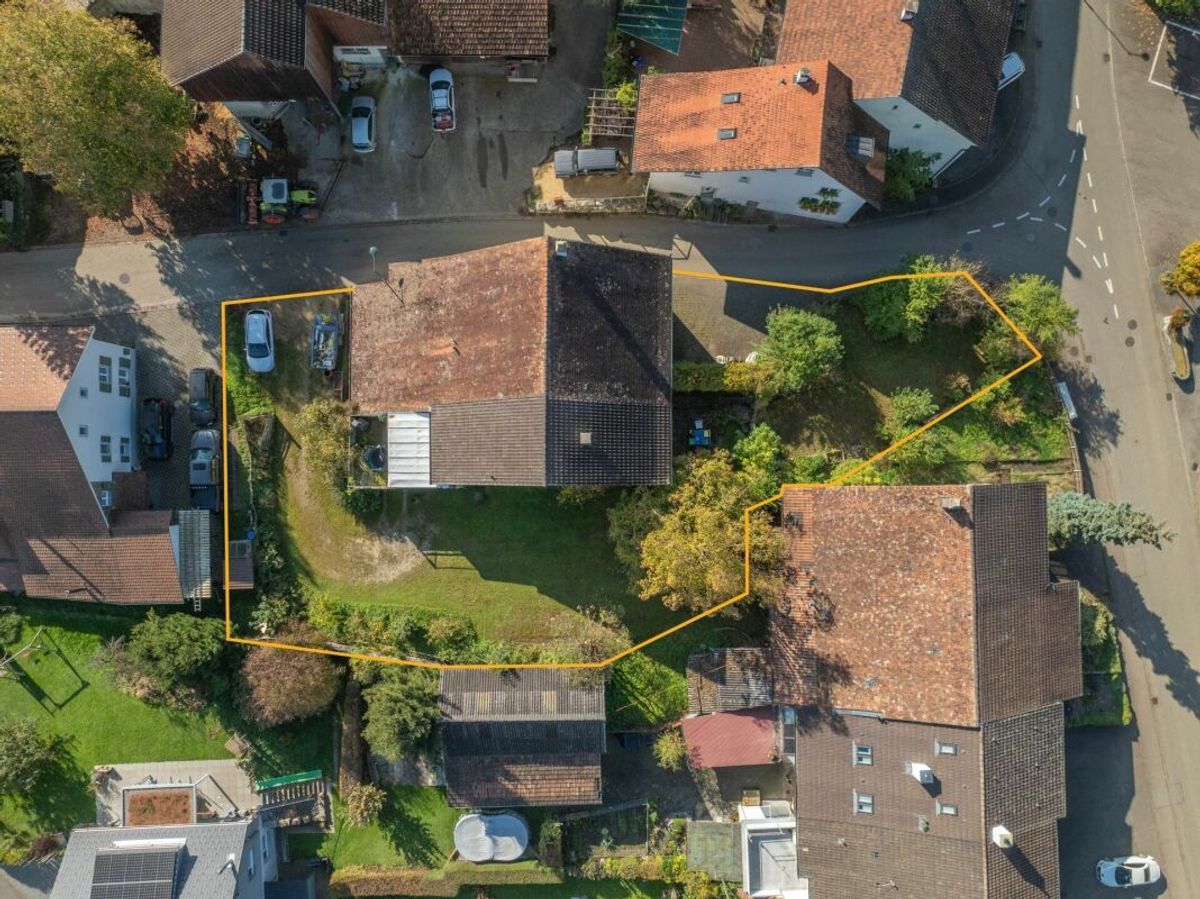
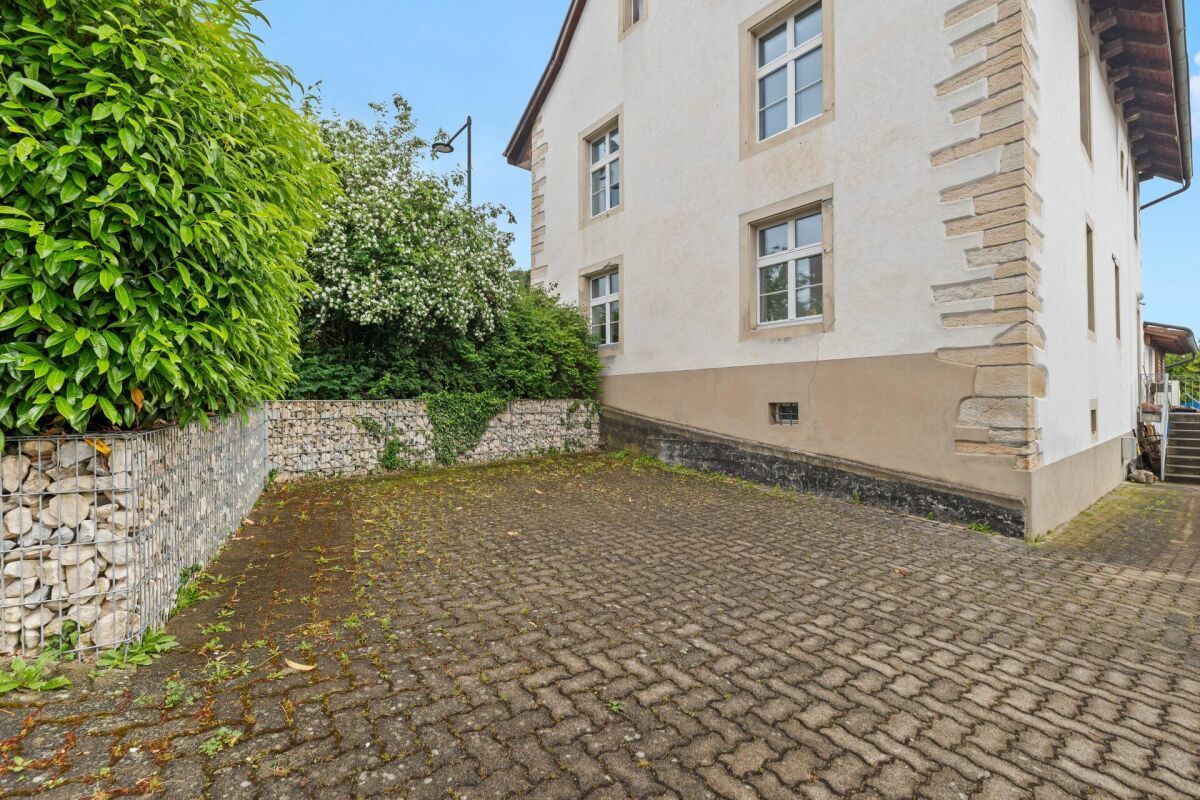
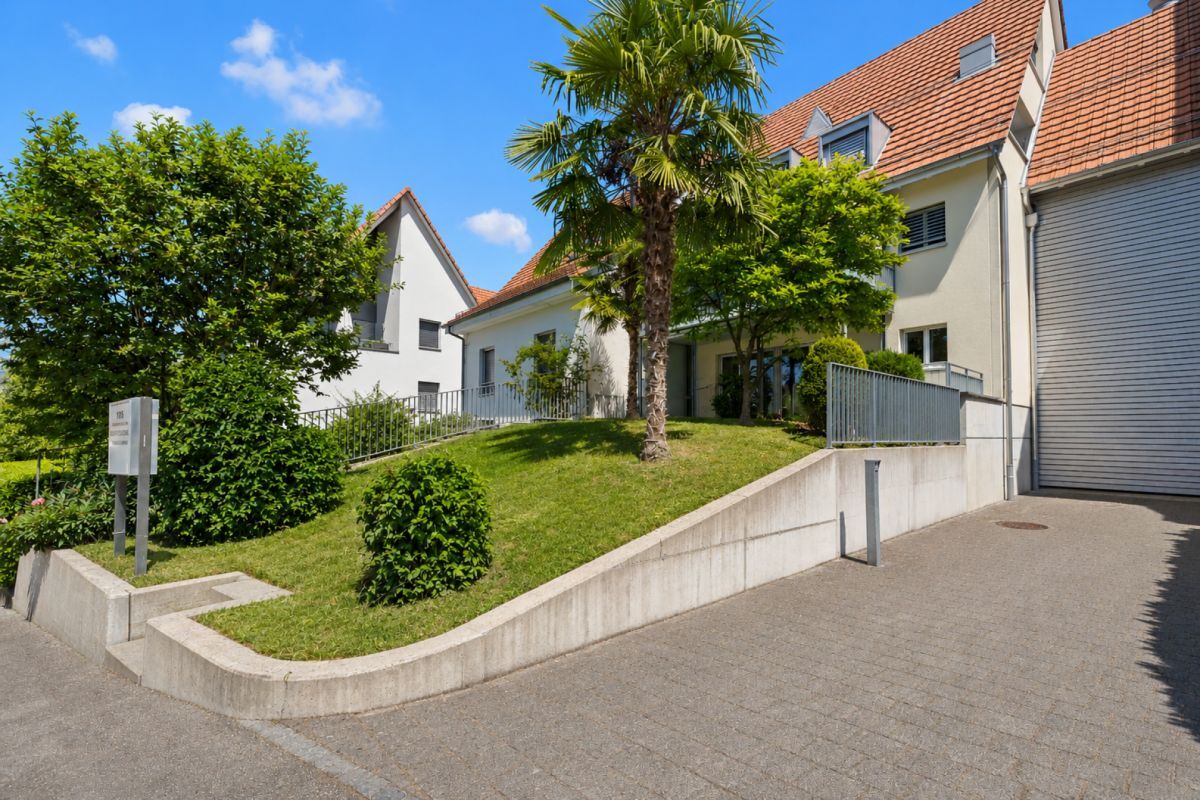
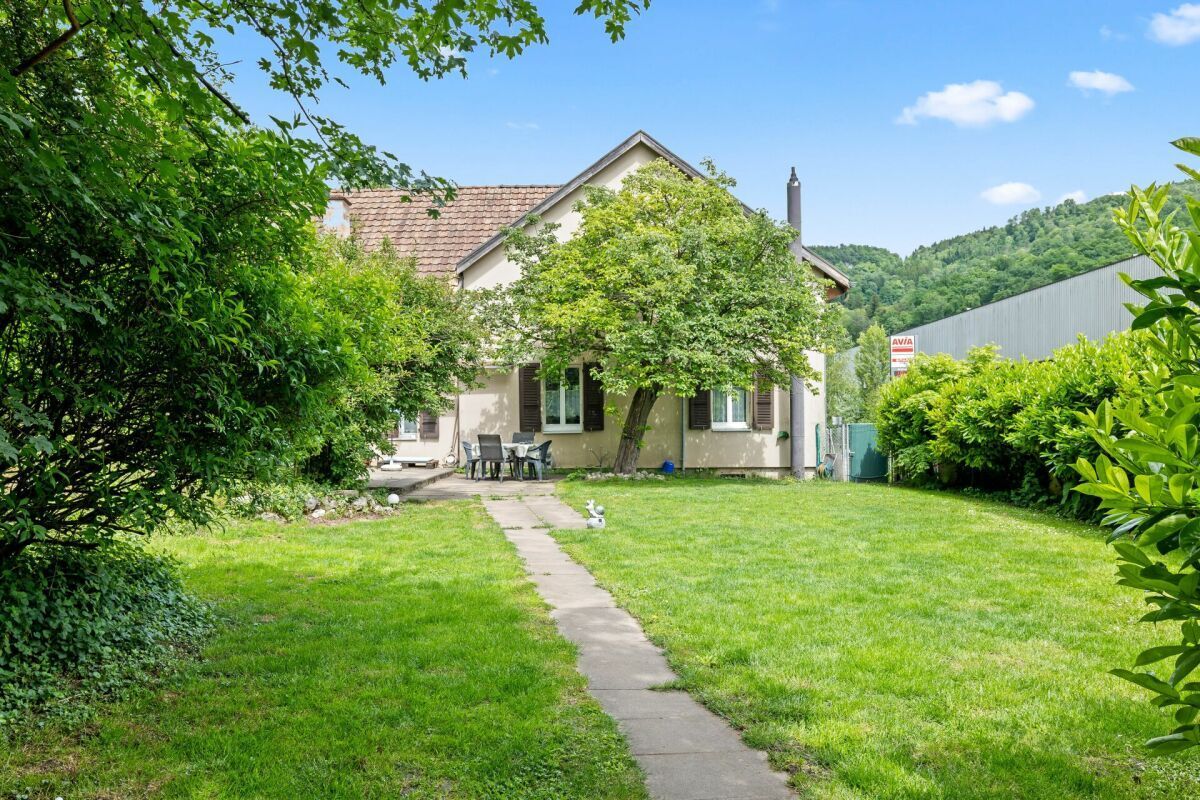
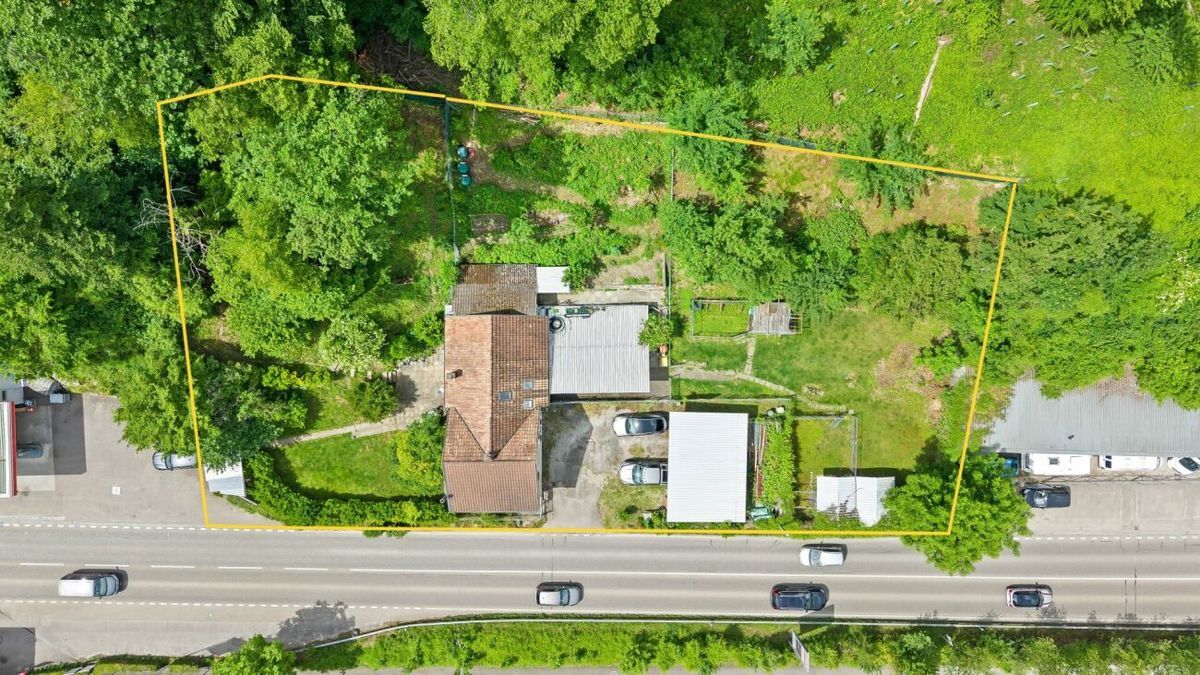
The property also includes several outdoor parking spaces and at least two indoor parking spaces, with space for a motorhome or similar, which ensures convenient use
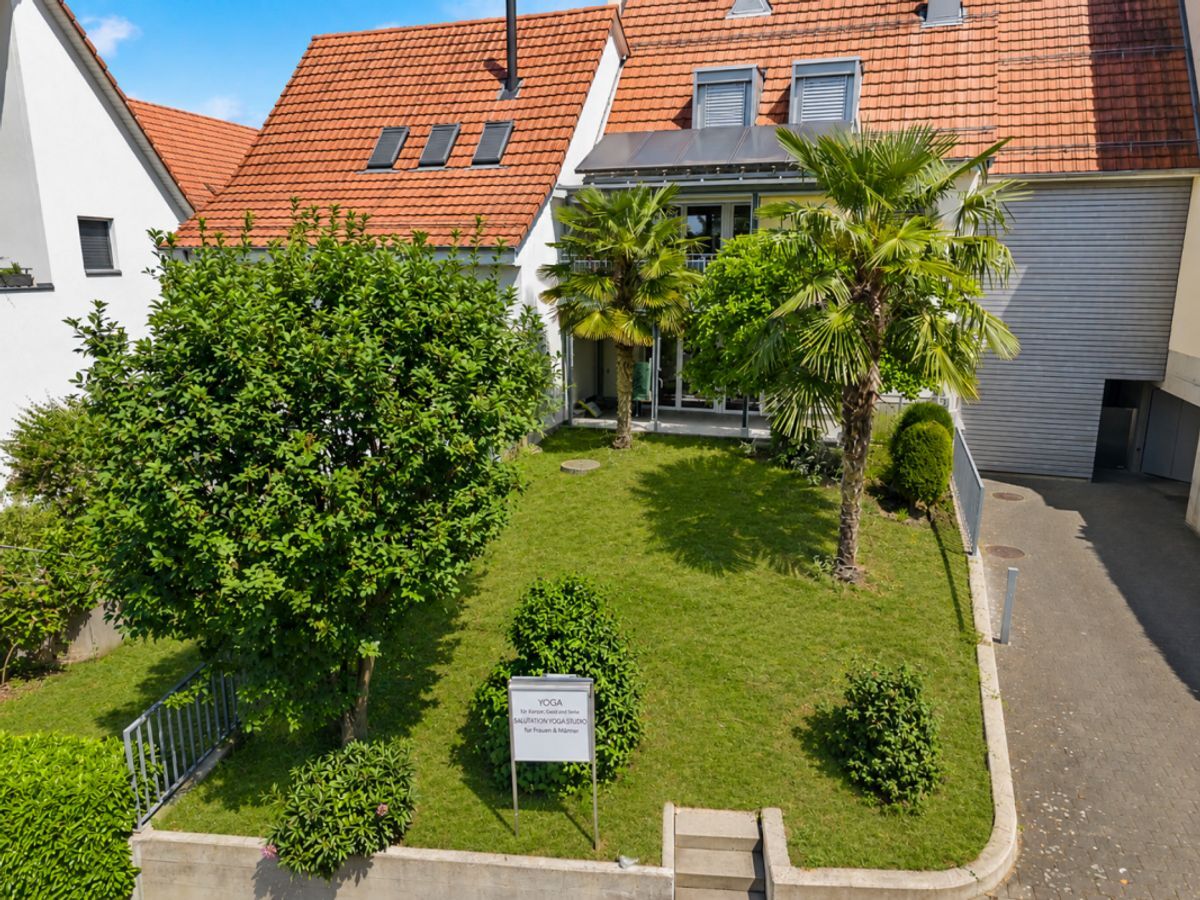
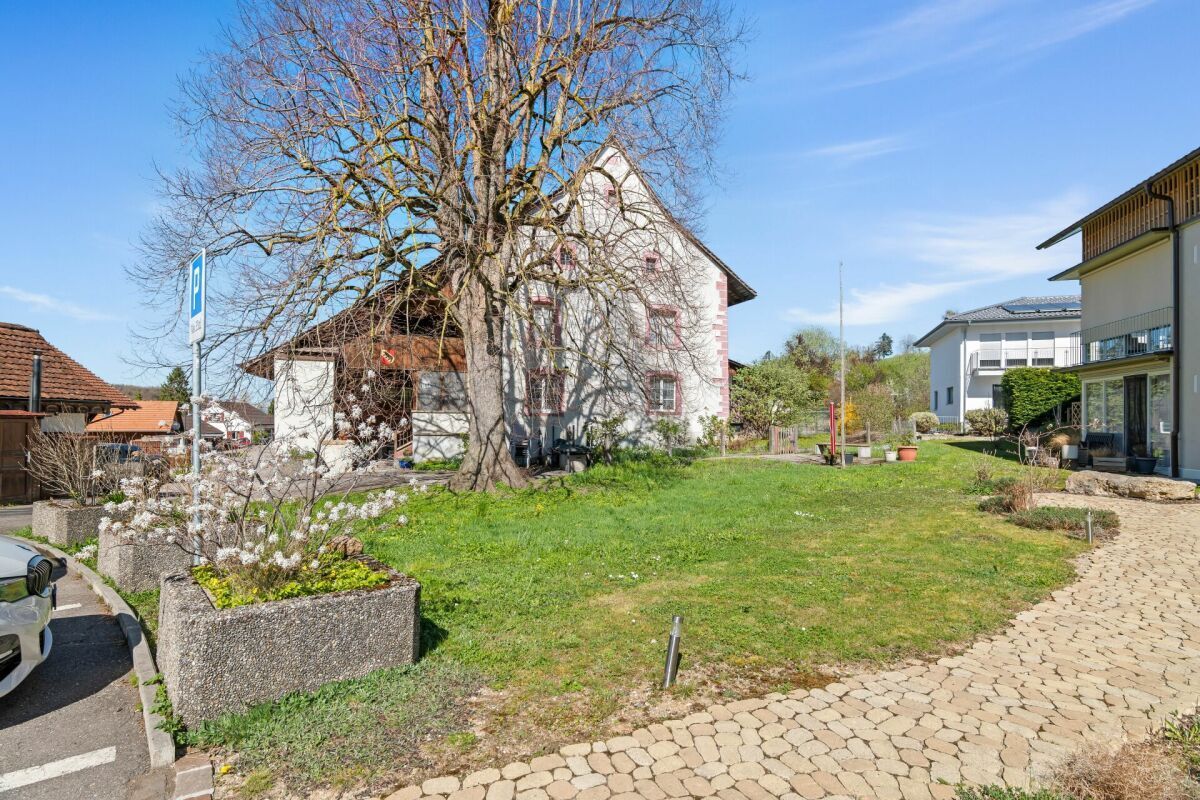
. The property covers 1,056 m² and is
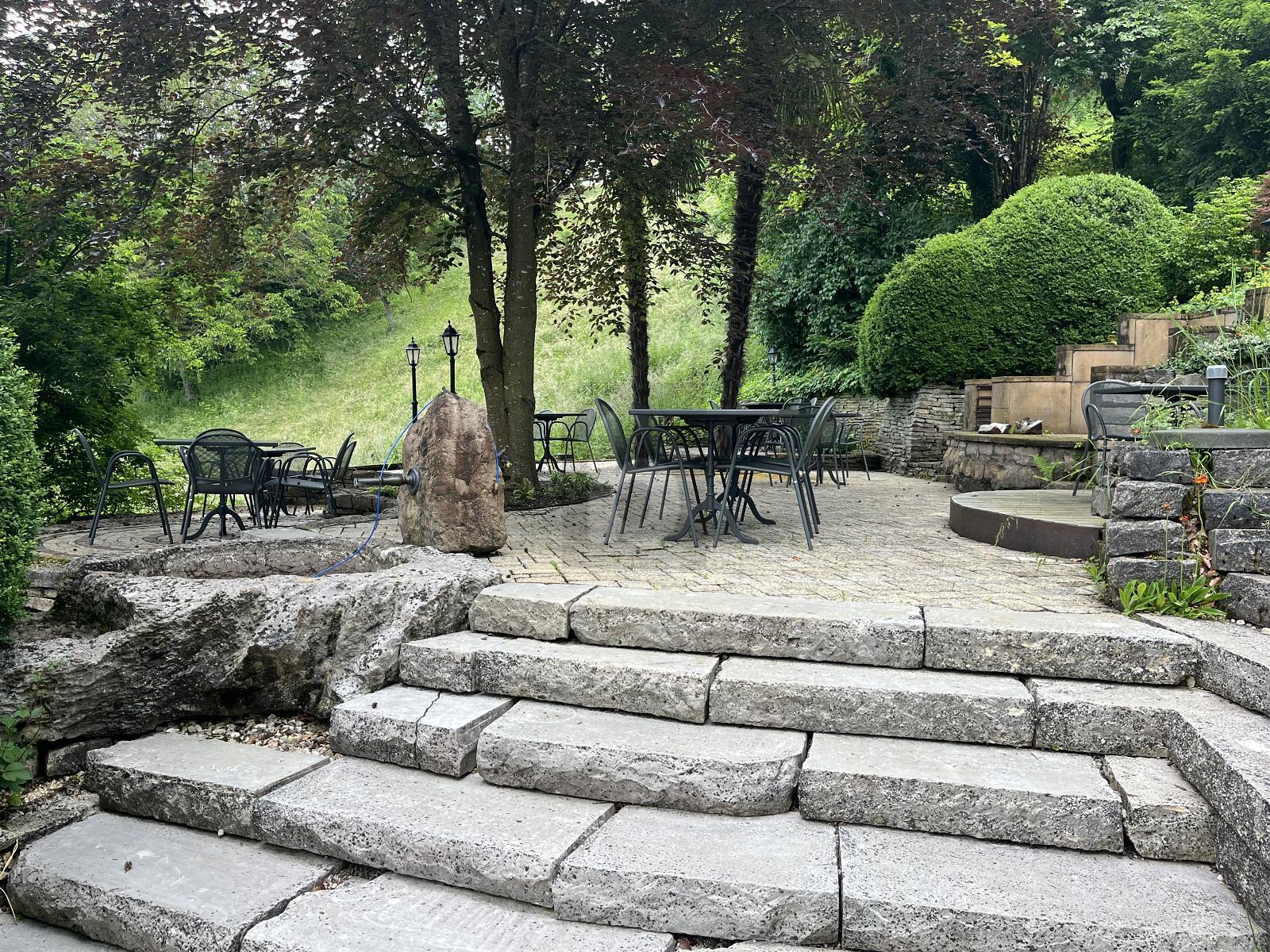
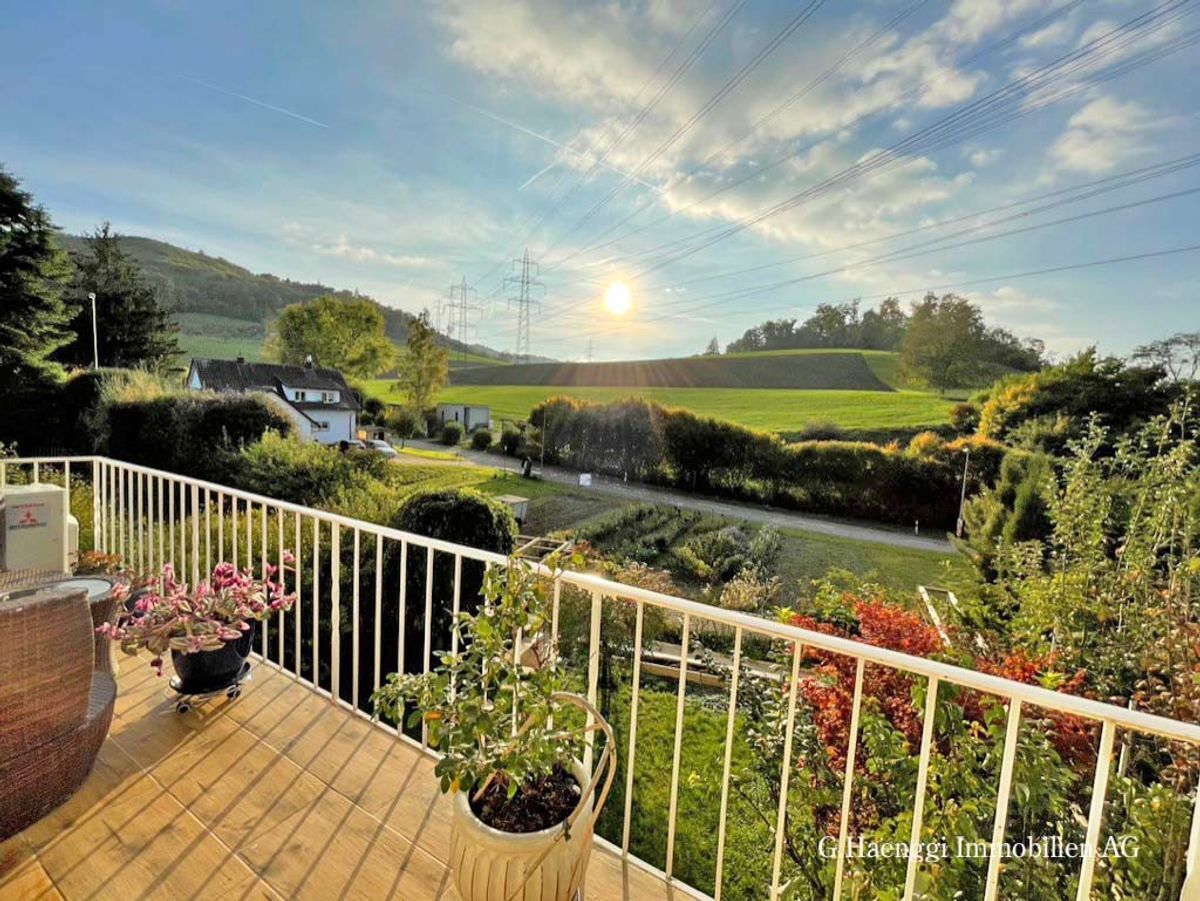
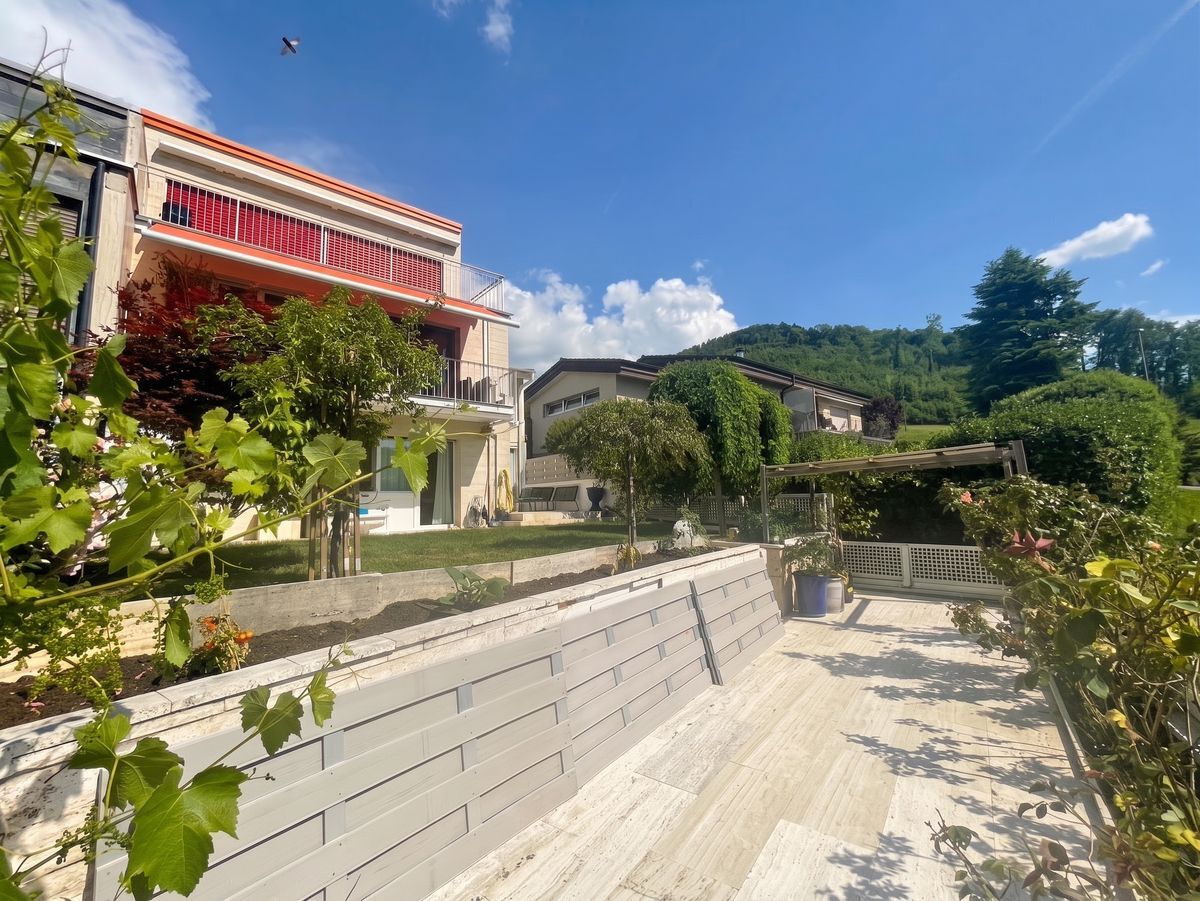
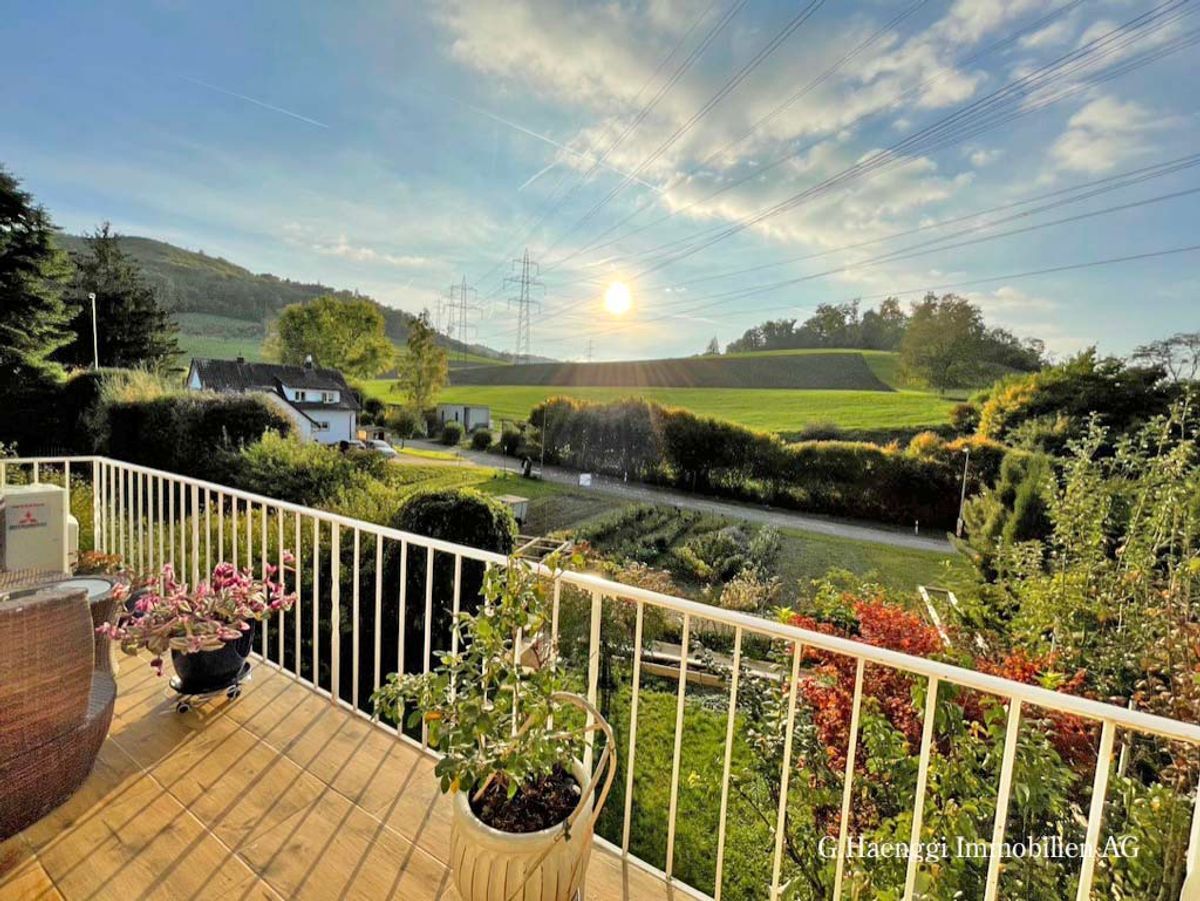
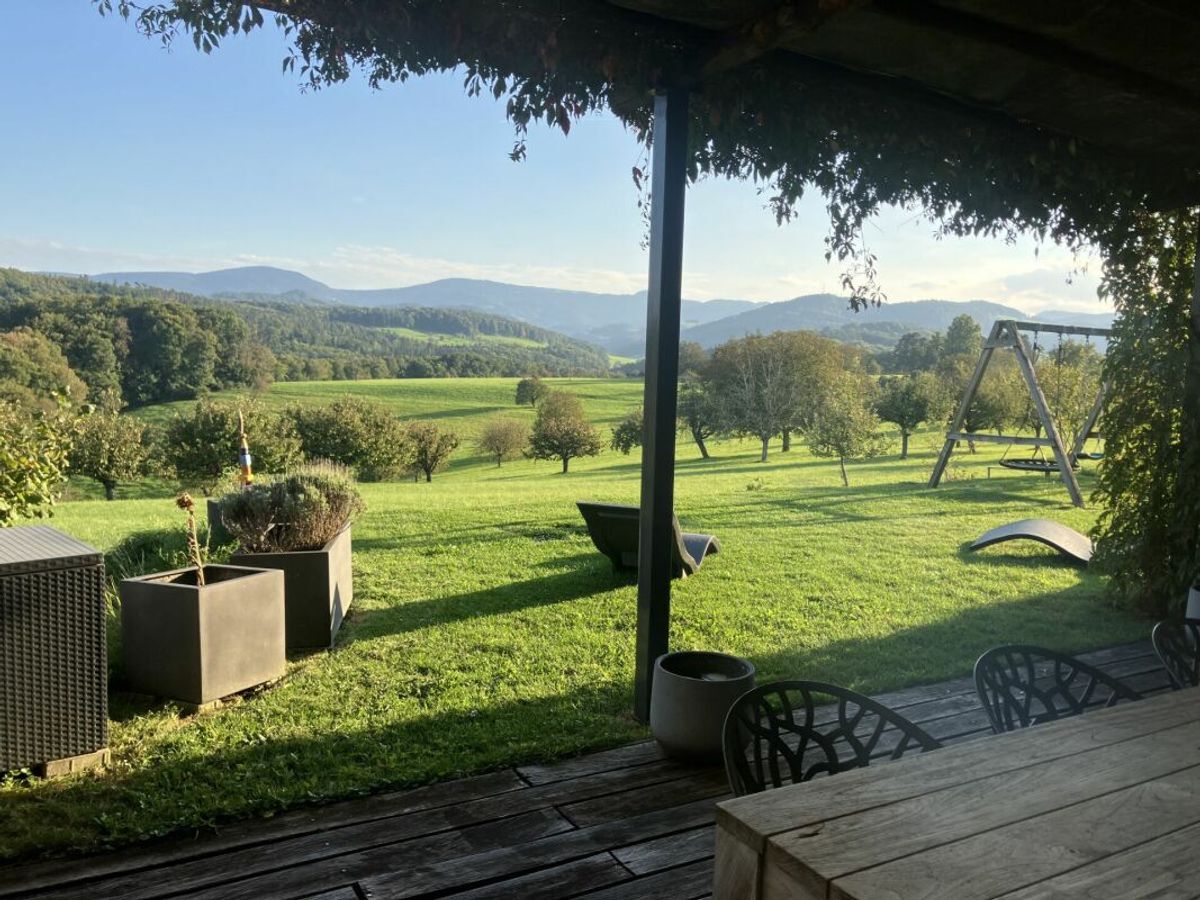
characterized by a special environment: a protected lime tree that is a striking village landmark and its location in the center of the historic settlement core give the property an extraordinary identity and integration into the village’s history.
The building is heated by a wood-chip heating system, which further supports the original, self-sufficient character of the house. This farmhouse combines history, substance and
exceptional development potential in one of the central locations of Nusshof – a rare opportunity for lovers of historic buildings with a vision. History of the property – Im Dörfli 6, Nusshof The history of Nusshof dates back to the Middle Ages. As early as 1372, the area belonged to the Olsberg Cistercian nunnery, which played a decisive role in the agricultural and settlement development of the region over the centuries. In the late Middle Ages, a small hamlet developed in this area, which in 1461 came under the rule of the city of Basel. This changed the political and administrative structures, while the rural and agricultural character of the area remained unchanged. The first written mention of the name dates back to 1504 as ?hof by dem Nussbom?. It is assumed that a striking tree – probably a nut tree – served as a striking reference point in the landscape and gave the settlement its name. After the Reformation, Nusshof was assigned to the Wintersingen parish, which also changed the ecclesiastical affiliation. The rights of the Olsberg monastery were finally settled in 1505 and 1664, gradually ending the monastic land ownership. The current property at Im Dörfli 6 is located in this historically grown cultural landscape. It is part of the continuous development of the former farm and settlement area and bears the traces of this long history in its surroundings and its building structure. In older literary sources, the area was sometimes incorrectly referred to as ?Gut Nussbaum?. However, historical images (including those by Georg Friedrich Meyer, 1680) show that the settlement structure at the time did not yet correspond to the current building layout. The actual historical ?Nusshof? was located on the plot Im Dörfli 2, while the later building development shifted towards the current village center. The building itself is described as a late Baroque farmhouse with the year 1799 and is one of the characteristic historic buildings of the village center. It is an expression of the rural building culture of the late 18th century and fits into the settlement structure that has developed over the centuries. Today, the property combines this deeply rooted history with a quiet, natural living environment in a historically significant village center. Renovations Conversion / Extension 2012 Extension of rooms ground floor, bathroom, facade, electrical system CHF 330,000
Conveniences
Neighbourhood
- Child-friendly
Outside conveniences
- Balcony/ies
- Garage
Inside conveniences
- Animals allowed
Equipment
- Cable/TV